Last updated November 23, 2026
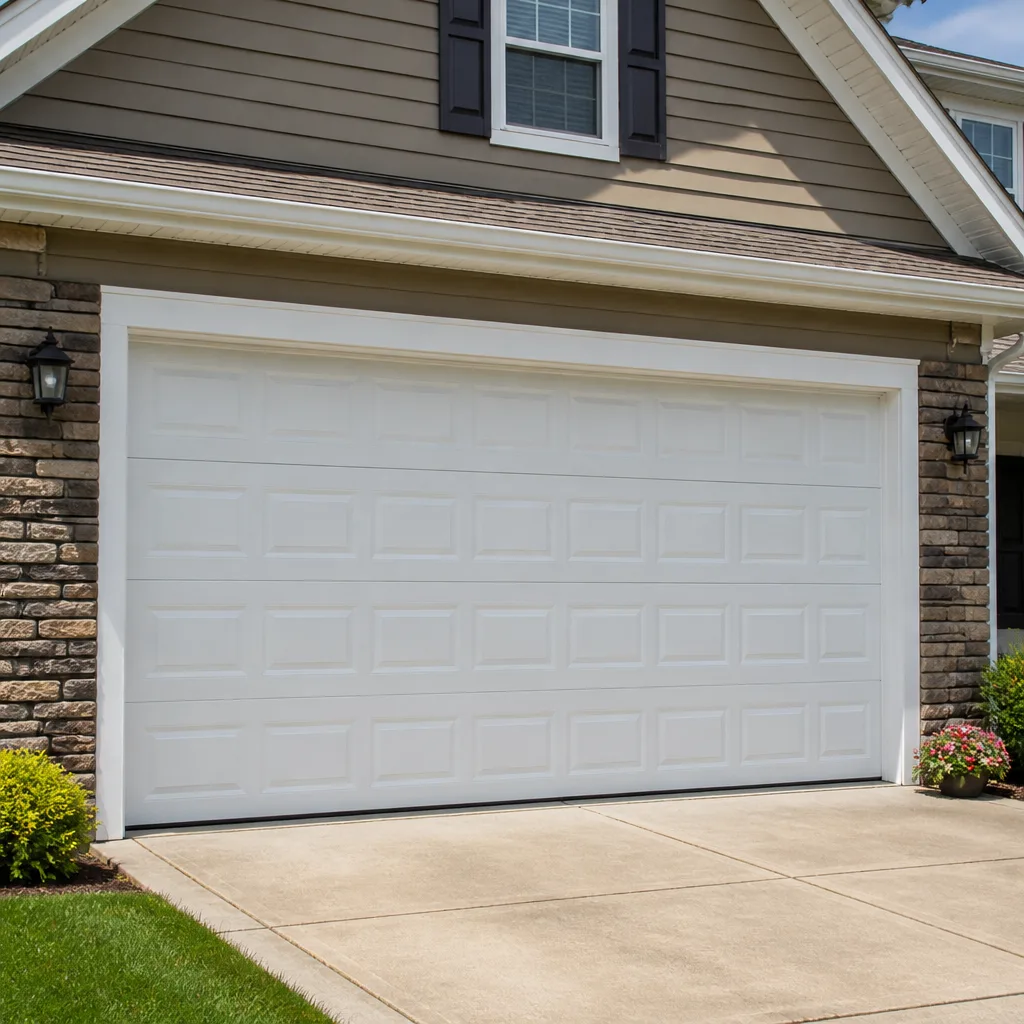 Raised-panel steel
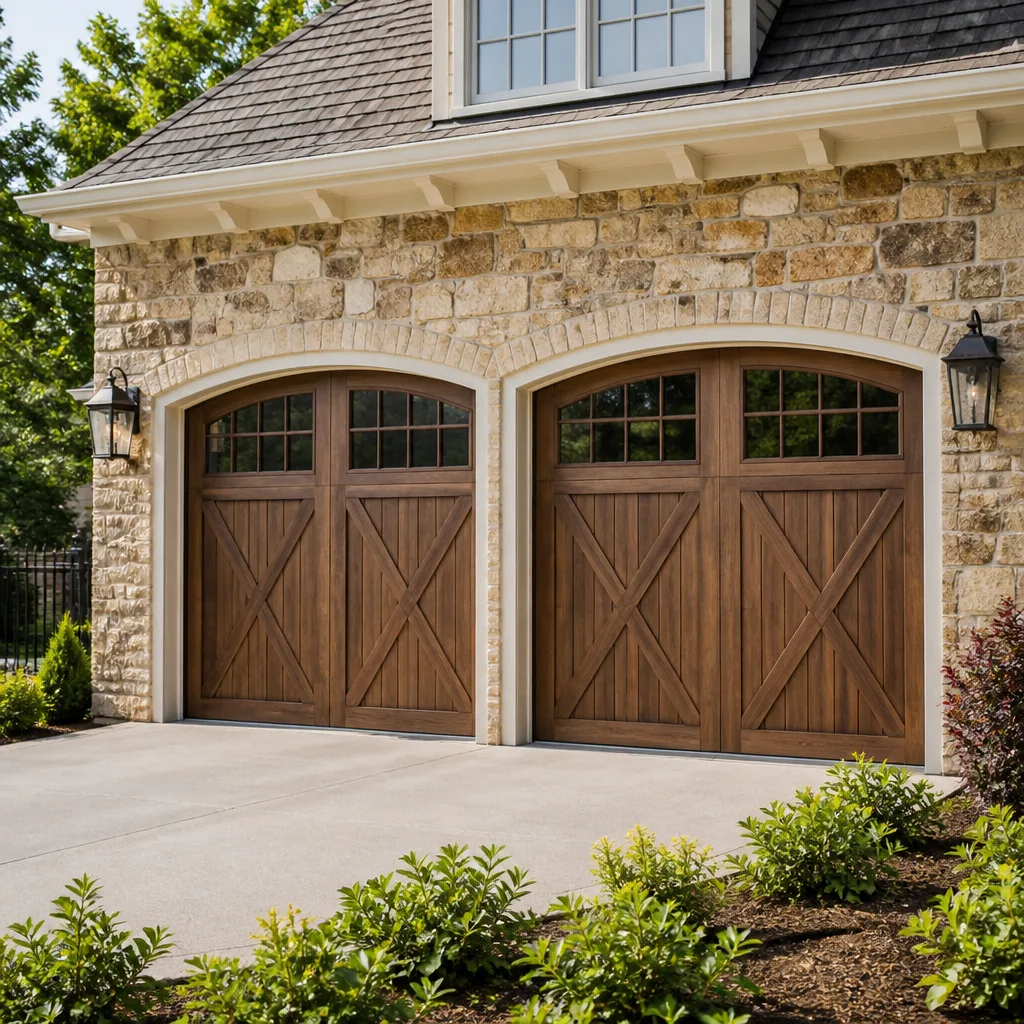 Carriage house
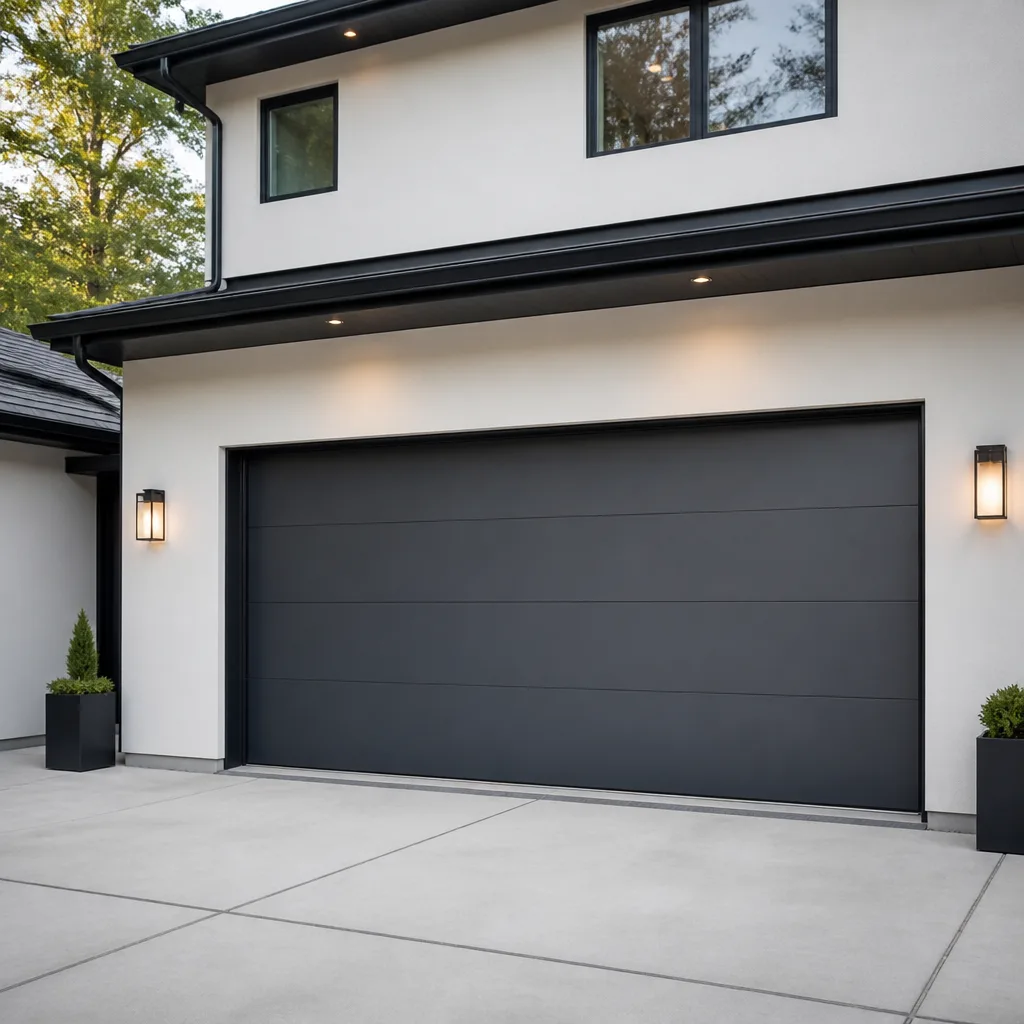 Modern flush
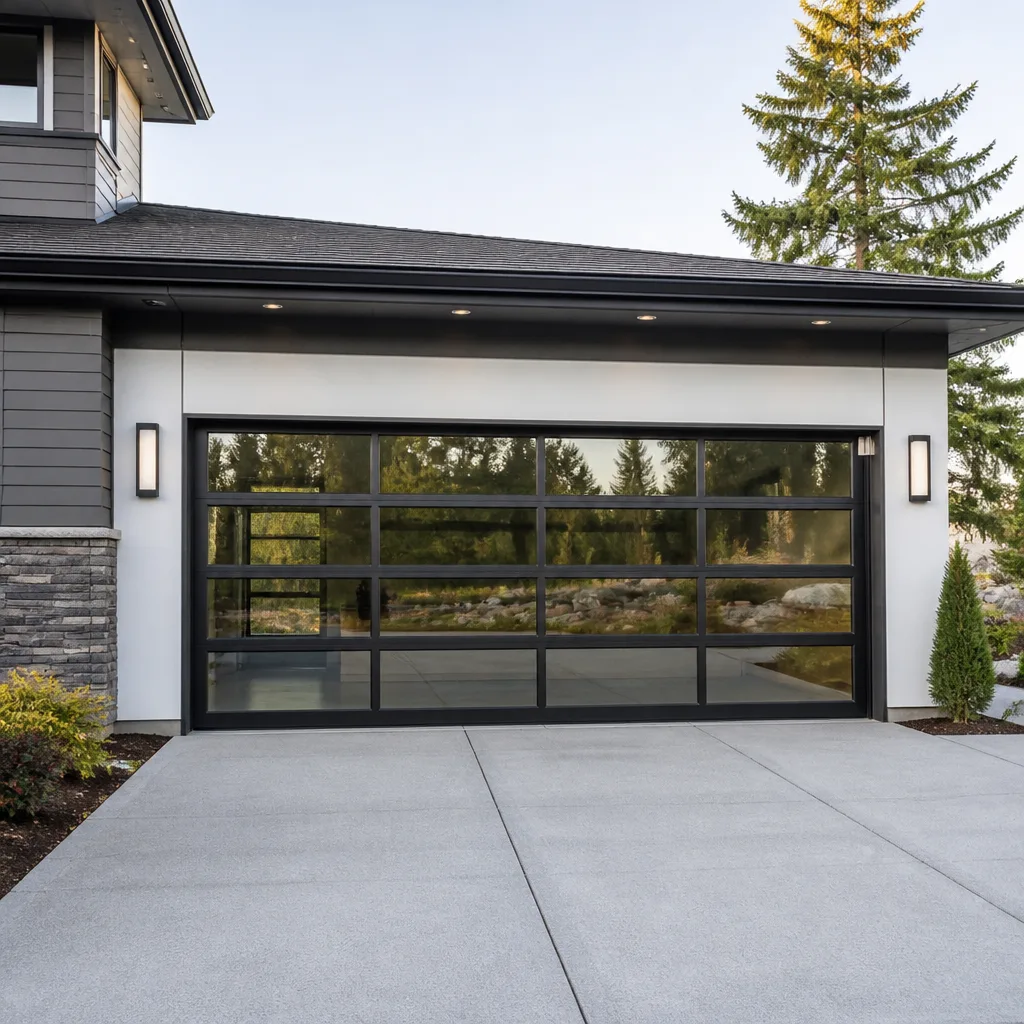 Full-view glass
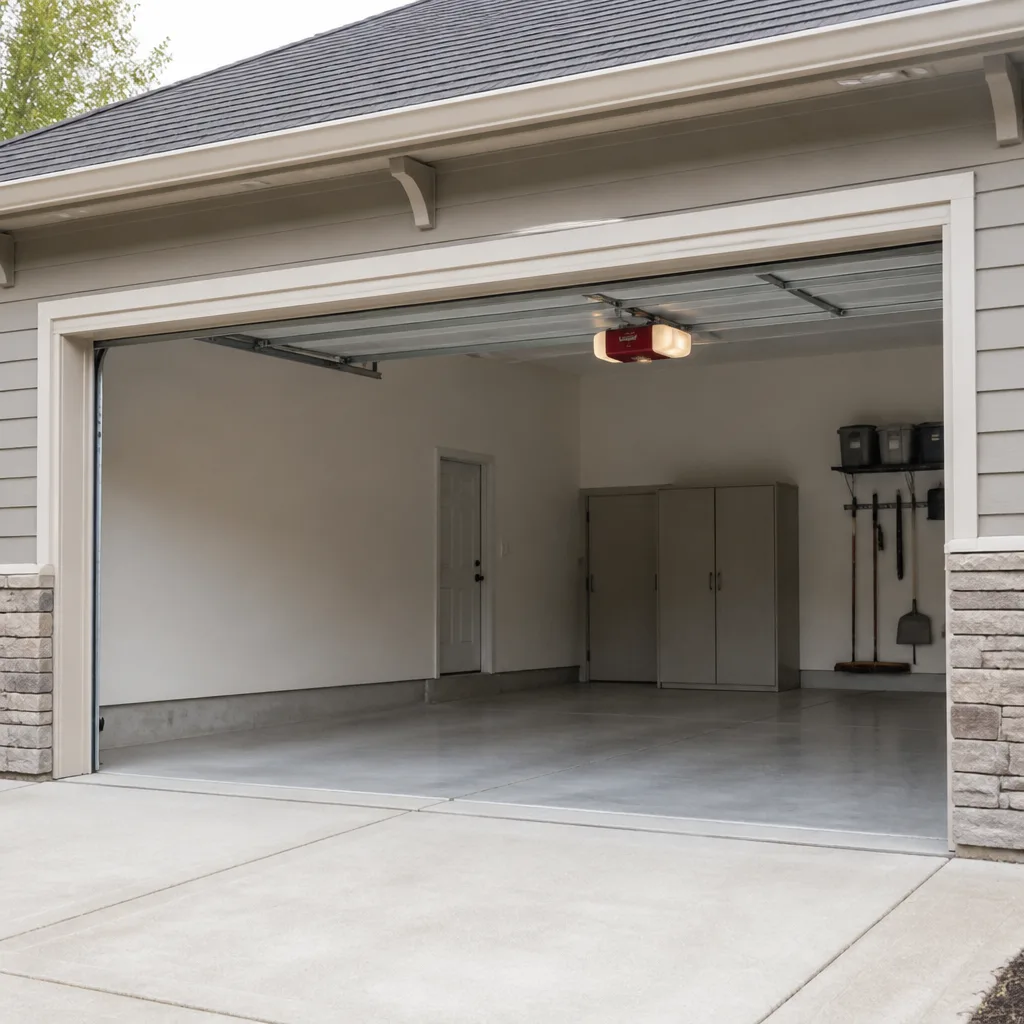 LiftMaster openers
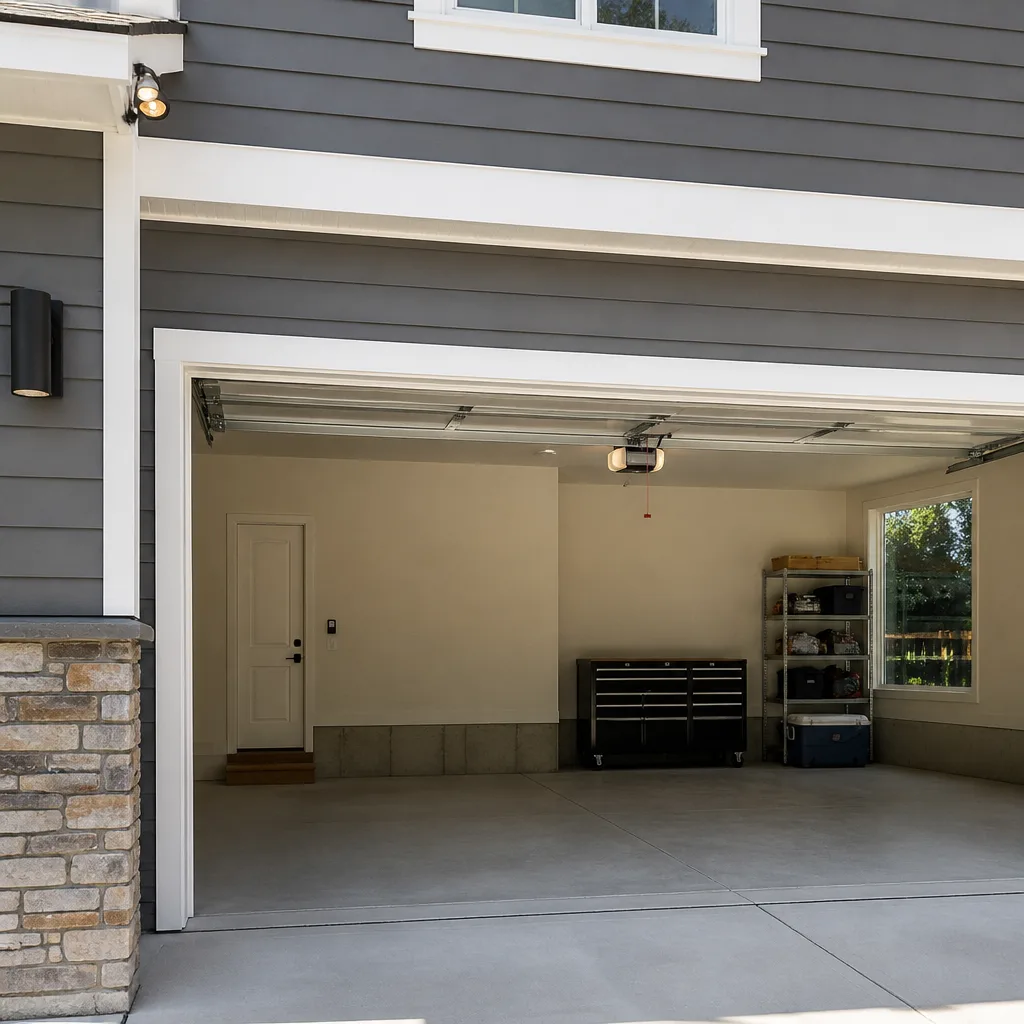 Chamberlain openers
Full 25-point door and opener safety check with every visit - springs, cables, rollers, tracks, and your LiftMaster or Chamberlain opener included
You get a price before we start. It does not change when the pro arrives.
Get your free estimateGarage Door Warning Signs: A Greenwich Homeowner’s Reference Guide
A garage door is one of those things you only really notice when it stops working. Most people never learn what “normal” sounds like. Then one morning it hesitates for two seconds before moving, or a grinding noise starts up and vanishes, or the door shuts a little crooked. It’s easy to shrug at that and tell yourself it’s just getting old, but that hesitation is a symptom with a specific cause, and that cause has a repair cost attached to it. Wait, and the same job that would have been a straightforward fix grows into an urgent one. This guide translates the sounds and movements into plain language so Greenwich homeowners can tell what’s cosmetic, what’s serious, and what to do about it.
Quick Answer
The main warning signs of a failing garage door are unusual noises (grinding, squealing, popping, banging), an unbalanced door that shuts crooked or reverses on its own, worn or broken springs and damaged cables, and a door that suddenly slows down or moves in jerks. Most of these point to a mechanical fault that will get worse, not better, so the right move is a professional inspection before an annoyance turns into a safety problem.
Styles & brands we work with
- Raised-panel steel
- Carriage house
- Modern flush
- Full-view glass
- LiftMaster openers
- Chamberlain openers
Table of Contents
- What Each Sound Actually Tells You
- Visual Warning Signs You Can Spot From the Ground
- Cosmetic Problems vs. Safety-Critical Problems
- The Balance Test and What It Reveals
- Warning Signs That Point to the Opener
- How to Describe a Symptom So You Get a Real Estimate
- Which Signs Are DIY-Addressable and Which Require a Pro
- Why Greenwich Doors Show These Signs in the First Place
What Each Sound Actually Tells You
The noise a garage door makes is the closest thing it has to a dashboard warning light. Each sound tends to come from a fairly specific mechanical source, and knowing that difference helps you describe the problem clearly and understand what a technician is likely to find when they arrive.
A grinding, gravelly rumble usually points to metal-on-metal contact. That often means dry or forgotten rollers, worn bearings, or a track that has shifted slightly out of line. Squealing tends to come from friction in the hinges and rollers, typically solved with proper lubrication, though a persistent squeal under tension can point to something more serious. A sharp popping or snapping noise is the one to take most seriously. If you hear a loud pop from the torsion bar area and the door suddenly feels heavier or won’t lift, that sound is a spring giving way, and this is a safety-critical event.
A banging or slamming sound as the door hits the floor usually means something is out of adjustment on the travel limit, or the panels are loose and shifting.
What you don’t need to do is climb up to find the source yourself. Listen carefully, note when the sound happens (opening, closing, mid-travel, at the start), and write it down. That’s downtime well spent. A technician can use that detail to pinpoint the issue fast. Call (855) 337-1759 to get a trained set of ears on the line and a free estimate lined up. Our technicians have up to 15 years of experience hearing exactly these symptoms.
Visual Warning Signs You Can Spot From the Ground
You don’t need a ladder or any special equipment to do a basic visual inspection. Everything on this list is safe to observe from a normal standing position, and each item tells you something useful about the health of the door.
- Springs: Look at the spring above the door, whether it’s a torsion spring running horizontally along the shaft or extension springs running along the tracks. A visible gap or obvious break means it has failed. Rust streaks, a stretched-out coil, and heavy sagging are all red flags.
- Cables: The cables should be taut and neatly wound. Watch for fraying, kinks, or rust. A significantly loose cable is a danger sign, not a “wait and see” item.
- Tracks: Stand back and check whether the vertical and horizontal tracks look parallel and straight. Any visible bend is a problem.
- Panels: Check for cracks, warping, or separation where the panels meet. A door that looks like it has a crooked smile is under stress.
- Hinges and rollers: You’re looking for obvious rust or a roller that has come out of its track, not a detailed inspection. If something looks out of place, it probably is.
If you live in a Greenwich neighborhood with older homes, you may find these signs more quickly. Doors in older houses tend to have components that have quietly done their job for many years, and worn hardware is the most common culprit. What you’re doing here is noting what you see, not fixing it. A professional can diagnose the cause behind the visible symptom.
Cosmetic Problems vs. Safety-Critical Problems
Not every warning sign demands panic. Some are genuinely household maintenance items. Others need to be taken seriously the moment you notice them. Knowing which is which tells you how fast to act.
Cosmetic or routine problems include a noisy door that otherwise moves correctly, light dust on the tracks, minor cosmetic panel damage from a bump, or a worn weather seal that lets in a draft. These can wait for a scheduled visit. Safety-critical problems include anything involving the springs, cables, or the door’s ability to stay balanced. The springs and cables are under extreme tension, and the door itself can weigh hundreds of pounds. If a spring is visibly broken, a cable is frayed or hanging, the door has fallen out of its track, or the door reverses unpredictably when closing, stop operating it and call for help. During a Greenwich winter, keeping the door closed matters for heat, but a broken door left propped open is a different risk.
If the door is stuck partway down and can’t be safely opened or closed, that’s the situation emergency garage door service exists for, not a repair you schedule for next week. A trained technician knows the difference between a door that just needs adjustment and one that shouldn’t be touched until it’s made safe.
The Balance Test and What It Reveals
You’ve probably heard of the balance test, but it’s worth explaining what it tells you. This also happens to be one of the safest checks a homeowner can do, and it reveals more about the door’s health than any one visual clue.
- Disconnect the opener using the manual release pull, usually a rope handle hanging from the carriage. This takes the opener out of the equation.
- Lift the door about halfway up by hand and let go. Don’t force it; just let it go.
- Watch what happens. A well-balanced door should stay put. If it drops or closes on its own, or if it feels unusually heavy to lift, the spring system is likely under-tensioned or failing.
Do this slowly and watch your hands and feet. If the door sinks on release, that means the springs aren’t carrying their share of the load. Springs do the heavy lifting and let the opener lift a door it could never manage alone. When they lose their strength, the opener and door mechanism absorb the strain, and things break. A door that passes the balance test and still makes a noise points toward hardware rather than springs. A door that fails the balance test belongs on a professional’s list, full stop. We handle the spring so you don’t have to, and that’s exactly why this check matters. For expert help with the actual spring, you can count on garage door spring repair.
Warning Signs That Point to the Opener
Sometimes the door is fine and the problem is the unit doing the lifting. Openers fail in characteristic ways, and misreading those signs as “the door is broken” can lead to replacing a functional door and missing the real culprit.
- Remote range drops suddenly. A remote that used to work from the driveway but only responds from close up often has a battery, antenna, or logic board issue rather than a mechanical one.
- The door doesn’t respond or moves part way and stops. Travel limits and safety sensors are frequent suspects, and a misaligned sensor is a common cause of a door that won’t close.
- You hear the motor running but the door doesn’t move. This points to a gear, chain, or carriage problem inside the unit.
- The wall button works but the remote doesn’t, or vice versa. That narrows it down to a radio-frequency or wiring issue, not the door itself.
Older units from well-known names like LiftMaster, Chamberlain, and Genie are still very serviceable, and a lot of “dead” openers just need a repair rather than a whole replacement. A technician trained on those brands knows their failure patterns, which saves time and parts. This is a common place where generalists get stuck, which is why we’d point it toward garage door opener repair for anything that lives inside the housing.
How to Describe a Symptom So You Get a Real Estimate
The difference between a vague phone call and a useful one is usually just detail. A technician can’t see your door over the phone, but a clear description lets them bring the right parts and give you a realistic range before anyone arrives. Vague descriptions get vague answers. That’s not the technician being cagey, it’s that there isn’t enough information to say more.
Here’s how to prepare for the call:
- Describe the timing of the sound: does it happen when it starts to move, halfway, only on the way down, at the end?
- Name the type of sound: grinding, squealing, popping, banging, clicking. “It was a loud pop and the door feels heavy” is a world away from “it’s making a noise.”
- Note the door type and brand if you know it. A Clopay, Amarr, Wayne Dalton, or Raynor door behaves differently, and it helps to know what hardware is on the unit.
- Describe the door’s behavior: does it reverse before hitting the floor, stop part way, feel heavy, or sit crooked?
- Check the year or model of the opener if it’s visible.
- Note whether the door is stuck open, stuck closed, or working but noisy. That tells the technician how urgent it is.
When you can describe the symptom accurately, you’ll often get a real estimate range over the phone for a common issue. A professional will still inspect before quoting a final figure, because the price is agreed before any work starts. But you’ll be starting the conversation much further along, and that earns a faster, more accurate answer. For the broader repair side of this, garage door repair is the place to start.
Which Signs Are DIY-Addressable and Which Require a Pro
We’re not going to hedge here. Some things a homeowner can handle safely. Others are a bad idea in any circumstance.
Reasonable to handle yourself: regular lubrication of the rollers and hinges, wiping down the tracks, tightening a loose bolt on a panel, checking the path of the opener’s sensors, replacing a remote battery, and clearing obvious debris from the floor sensor line. These are light maintenance and safety checks.
Do not touch these yourself: anything involving the springs, the cables, the torsion bar, or the track alignment. High-tension springs and cables store enormous energy. They’re the exact reason trained technicians approach them with specific tools and knowledge. A cable under tension can cause serious injury if it releases unexpectedly. There’s no safe way to adjust a garage door spring by feel from a YouTube video.
If a door is out of its track or has fallen, leave it. If you’ve bent the track trying to push it back, stop, because bending it further will cost more. If a spring has visibly broken, don’t run the door at all. The safe call is a professional one.
This is where specialty matters. A general handyman can manage the easy stuff, but the moment a door calls for spring or cable work, it needs a specialist. And that’s where a real diagnosis helps, because a broken spring doesn’t always mean a new door, and hardware that looks bad may just need adjustment. A new door is a last resort, not a first quote. Knowing what kind of door you have can guide this. If it turns out a replacement really is needed, worth knowing is how a full install works through professional garage door replacement.
Why Greenwich Doors Show These Signs in the First Place
Every garage door works hard, but the conditions here shape the wear. Greenwich’s seasonal swing is the clearest factor. A door that was smooth in October can get stiff and cranky by January as metal contracts and lubrication gets thick. The freeze-thaw cycle can shift the ground under a track just enough to misalign it, and that shows up as a door that grinds or shuts crooked before you find any single broken part.
Older neighborhoods and homes add another layer. Much of the housing stock across Greenwich has seen decades of doors, and the opener units in a lot of those houses have outlasted their expected service life. A door may have premium hardware, and those components simply wear out. The seasonality is real, and it’s why some of the most common calls in this town come during the first cold snap.
Humidity in summer brings its own signs, like swollen wooden doors that drag or stick, which can strain an opener that would otherwise perform fine. All of which means that a symptom in Greenwich is worth reading in context, not compared with a door somewhere else. That’s also where we have a bit of a local edge, because we’ve seen how doors behave across Greenwich seasons, from the winter stiffness to the summer swelling. If your hardware has reached the end of its usable life, a newer door from a proven line such as those made by Raynor or Clopay can cut down on the calls. The right call is the one based on the condition of the door, not the age of the calendar.
For a fuller picture of the company behind all of this, start at Greenwich Garage Door Repair Pros.
Common Mistakes to Avoid
- Ignoring a two-second hesitation. A door that pauses before moving is telling you something. Waiting for it to fail completely turns a small fix into a weekend headache.
- Trying to force a stuck or crooked door. Forcing a door that’s off its track can bend more track and cause more damage, especially in a Greenwich winter when the hardware is stiff.
- Treating every noise as “old age.” Grinding and squealing mean worn parts, not a door that’s dying. That’s often a repair you can get ahead of.
- Lubricating the tracks. This is the most common one. Tracks should be clean and dry, and lubricating them attracts dirt and causes the rollers to slide instead of roll. Keep the lubricant for the hinges and rollers, not the track.
- Replacing a functional door because of an opener problem. If the remote range dropped or the door stops part way, the opener is usually the issue. A new door won’t fix a tired opener.
- Guessing at the brand and model when you call. If you can read the label on the opener or identify the door brand, you’re saving time. Working blind slows down the diagnosis for everyone.
- Calling a general handyman for a spring or cable problem. These are the components that need a specialist, and this is not a job for a generalist with a toolbox.
See the difference
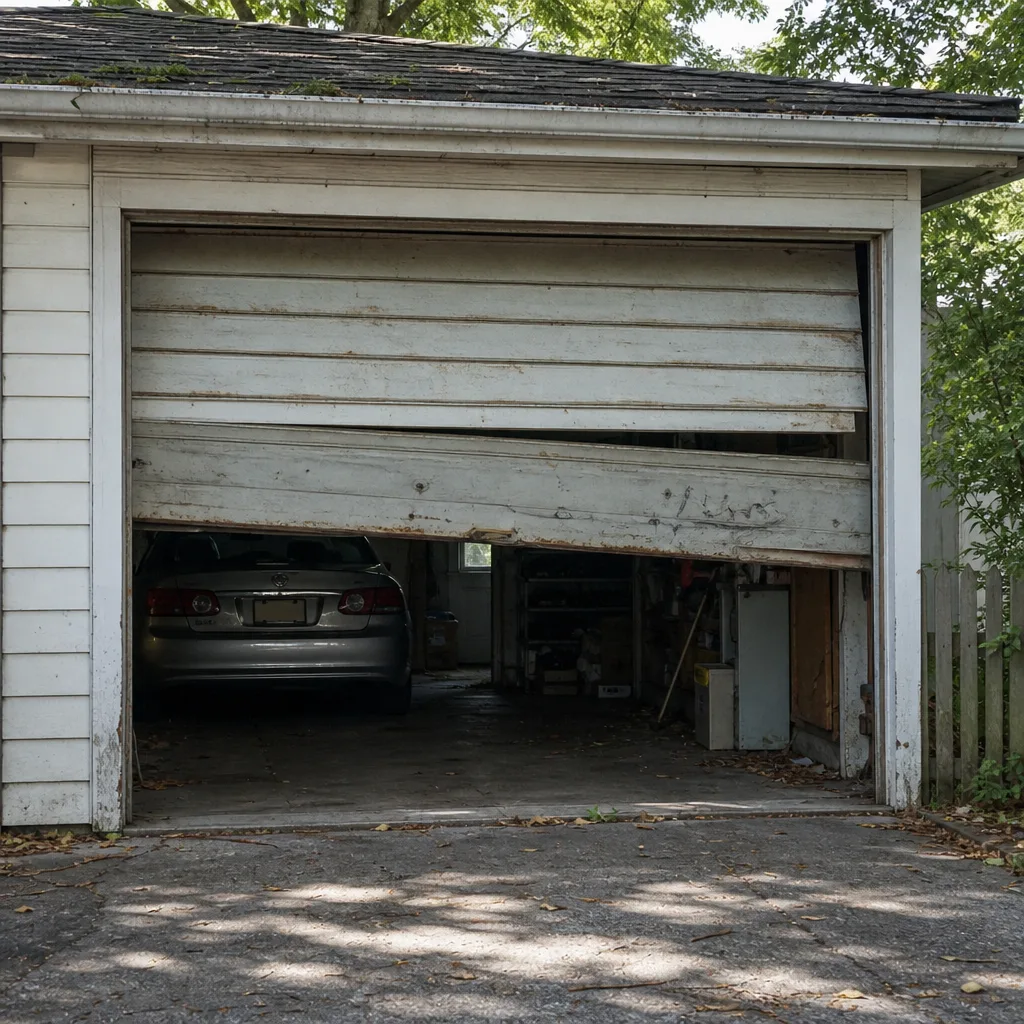 Before
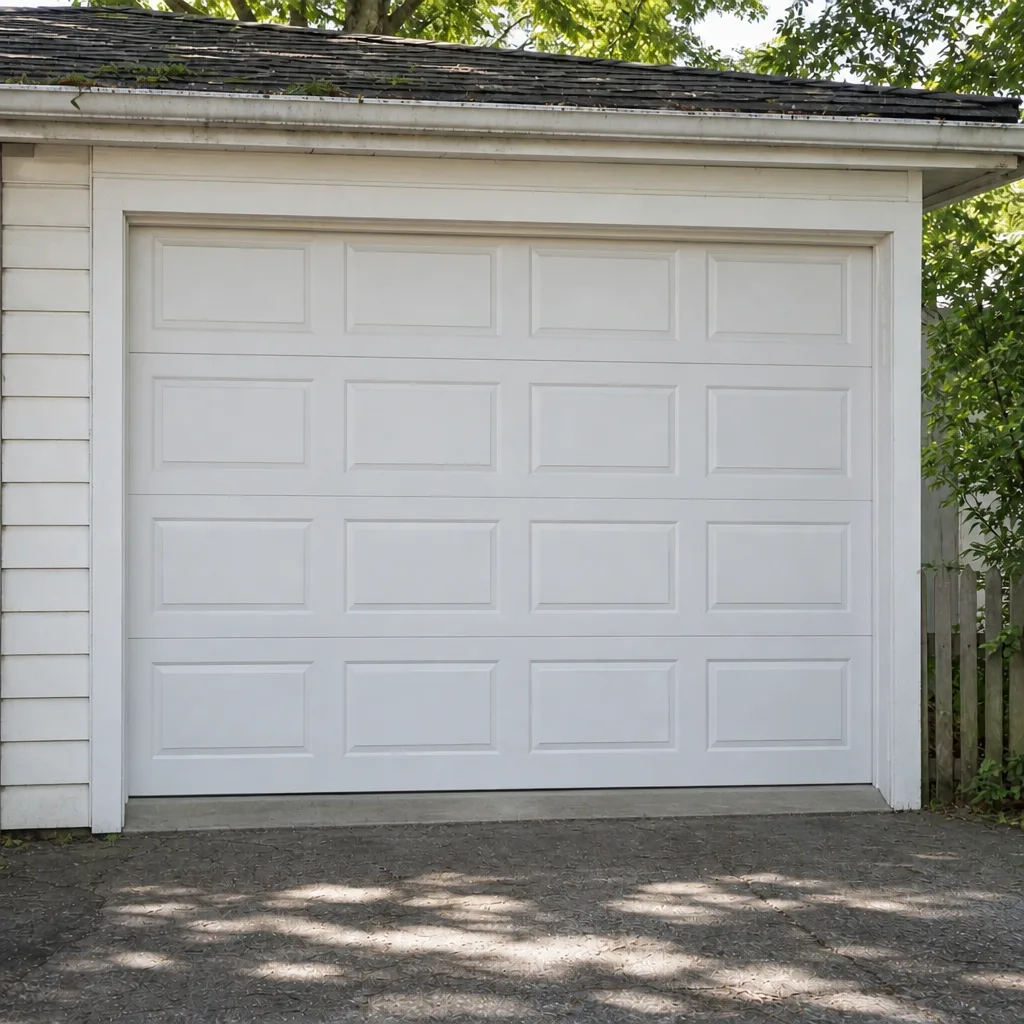 After
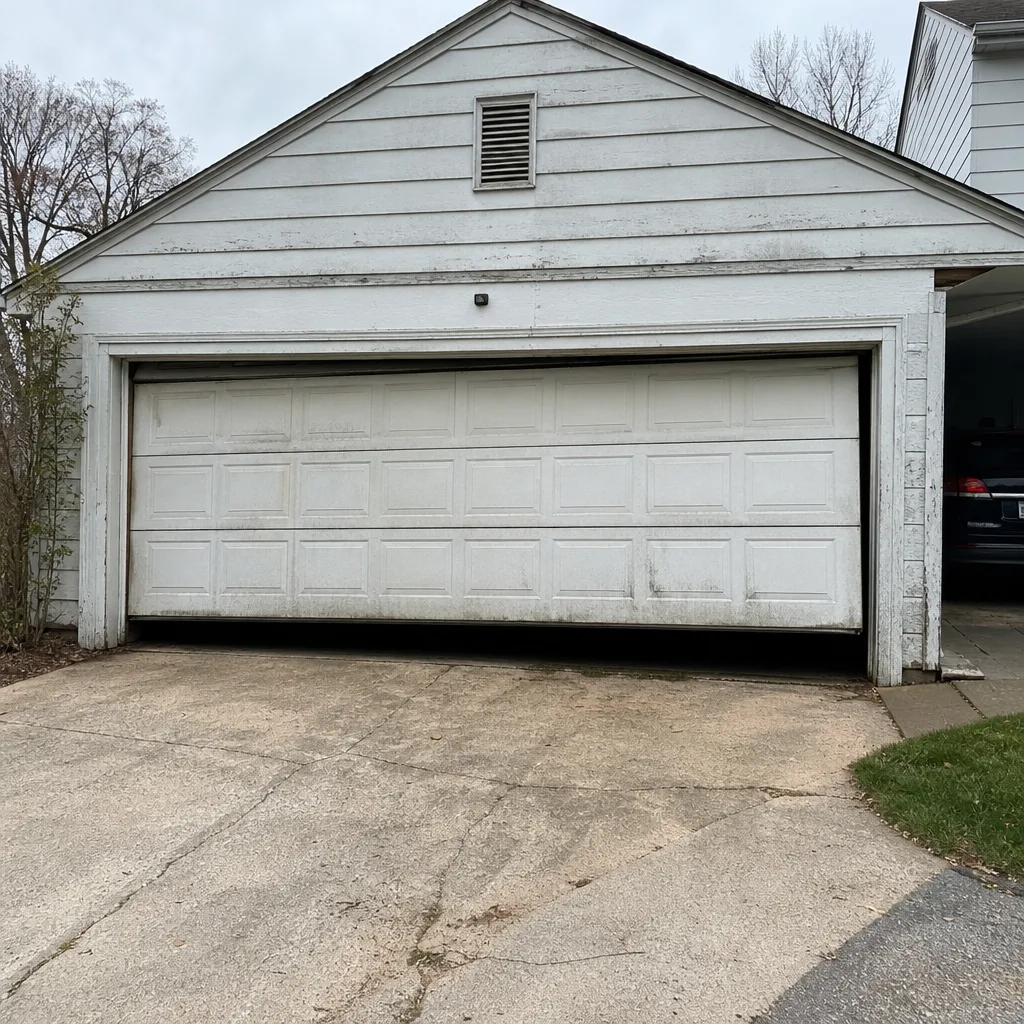 Before
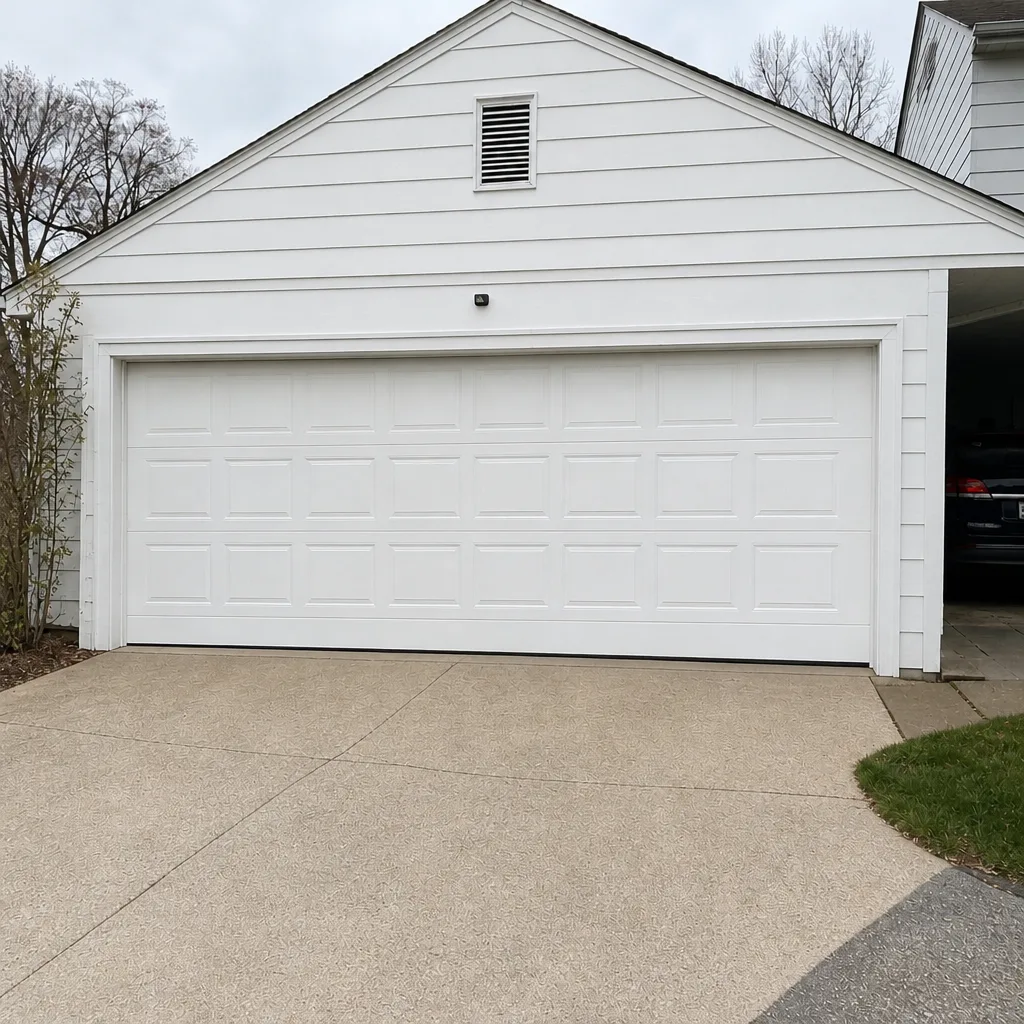 After
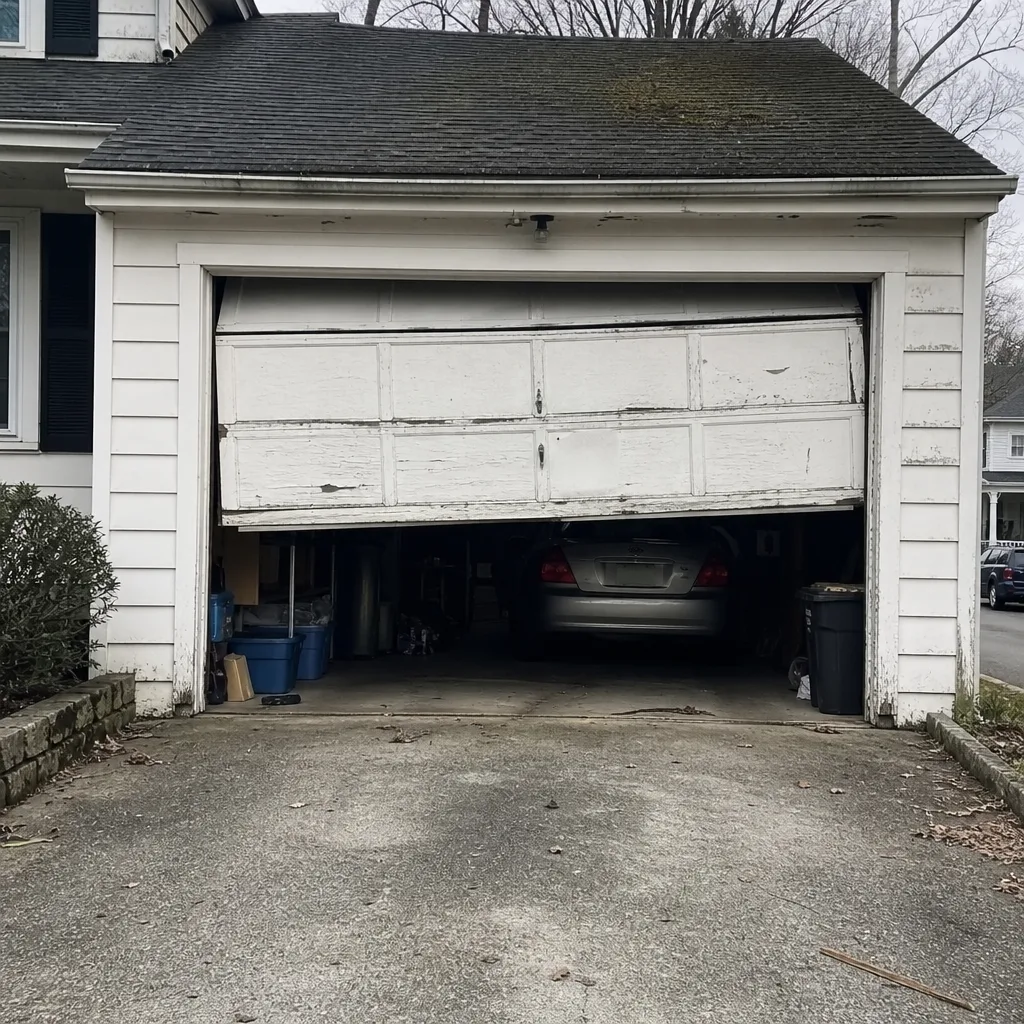 Before
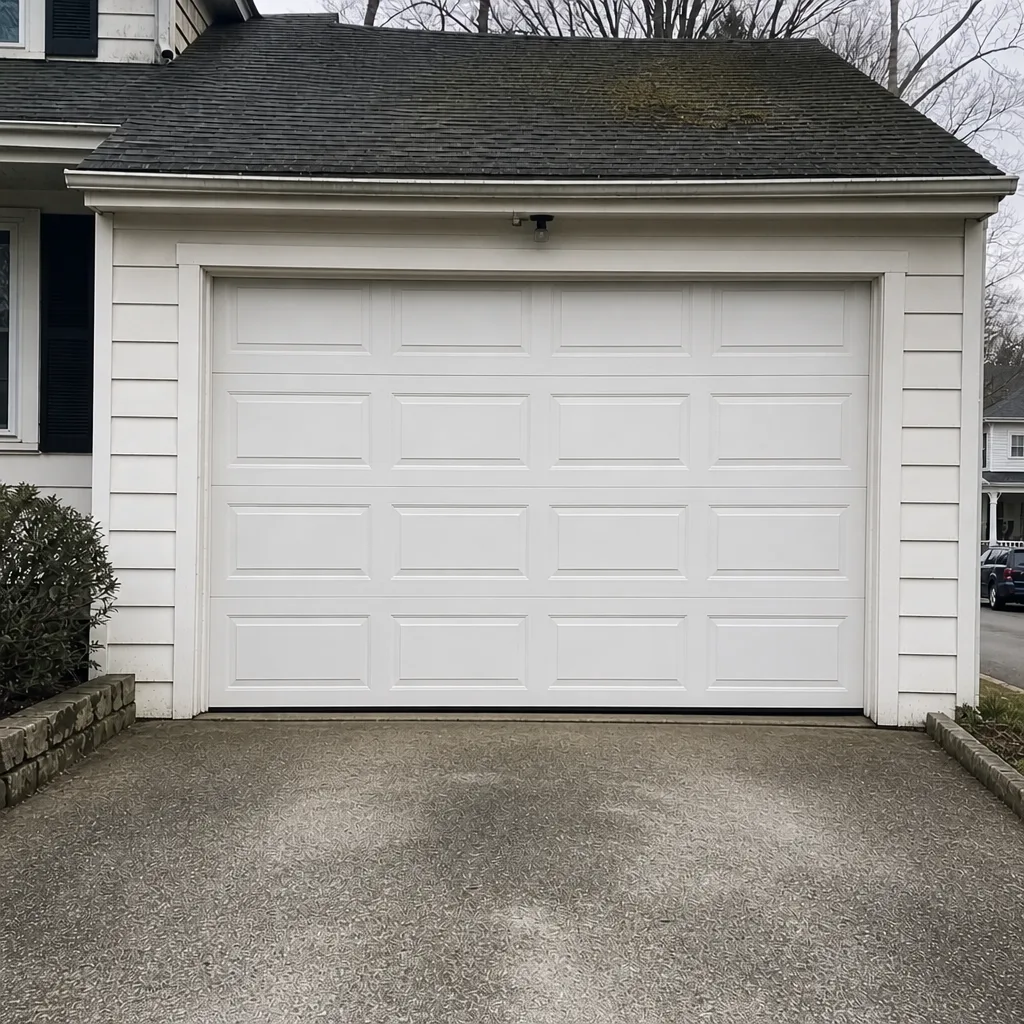 After
When to Call a Professional
Call us when the symptom is a broken spring, a frayed or snapped cable, a door that’s off its track, a door that reverses unpredictably, or one that’s stuck part open or closed. Call when the opener runs but nothing moves, or when the door feels heavier than it should. These are not things to put off. And call when you’re unsure. We’d rather take a look and tell you the door is fine than have you risk handling a high-tension component. We work on any make and any model of opener and door, and our technicians have up to 15 years of experience.
Emergency garage door service is a real service we offer, not a next-week appointment. Greenwich Garage Door Repair Pros offers free estimates in Greenwich, and the price is quoted and agreed before any work starts. Call (855) 337-1759 and we’ll get your door back up and running.
Frequently Asked Questions
A broken spring shows up as a loud pop or bang from above the door, followed by a door that suddenly feels very heavy or won’t lift. Look at the spring on the shaft above the door for a visible gap or obvious break, and check for rust streaks or a stretched coil. If you suspect a broken spring, don’t run the door. Call (855) 337-1759 for a free estimate.
It depends on the noise. Squealing and light grinding usually point to worn or dry rollers and hinges, which is a repair rather than a sign the door is done. A loud pop or bang is a different matter and needs professional attention. When in doubt, describe the sound and the timing to a technician and you’ll get a straight answer. Estimates are free.
No. High-tension springs and the cables connected to them hold dangerous energy, and a release can cause serious injury. This is the one component that always calls for a trained technician with the right tools. Any symptom involving a spring, or a door that fails the balance test, should go to a professional. Call (855) 337-1759 for help.
An unbalanced door or one that reverses unpredictably points to a spring, cable, or track issue, and it is a safety-critical sign rather than a cosmetic one. It usually means the door isn’t carrying its weight evenly. Stop operating it and get it inspected before it becomes a greater hazard. A free estimate from our team will tell you what’s behind it.
Yes, seasonally. The freeze-thaw cycle here can shift tracks and stiffen hardware, and cold snaps make existing wear show up. Summer humidity can cause wooden doors to swell and drag. That’s why Greenwich homeowners tend to notice new sounds and sticking in the first cold weeks of the year. It’s worth a check before the seasons turn. Call (855) 337-1759 to book a free estimate.
No, the price is quoted and agreed before any work starts. We inspect first, explain what we find, and quote the job clearly. What you agree to is what you pay. There are no surprises added after the fact. Call (855) 337-1759 to get that estimate started, and it’s free.
The Bottom Line
A garage door is honest. It tells you when something is wrong, weeks before it fails, and that warning shows up as a sound, a hesitation, a crooked edge, or a heavy lift. Most homeowners ignore it because they don’t know which clues are cosmetic and which are safety-critical. Now you do. Grinding and squealing usually mean worn hardware. A pop, a heavy door, a frayed cable, or a door that won’t sit straight is a call to action. Note what you hear and see, describe it clearly, and let a professional sort out the cause. We handle the spring so you don’t have to, and we’ve seen what these doors do across a Greenwich spring thaw and a January cold snap. Call (855) 337-1759 for a free estimate and keep your door moving right.
Written by the team at Greenwich Garage Door Repair Pros.