Last updated November 23, 2026
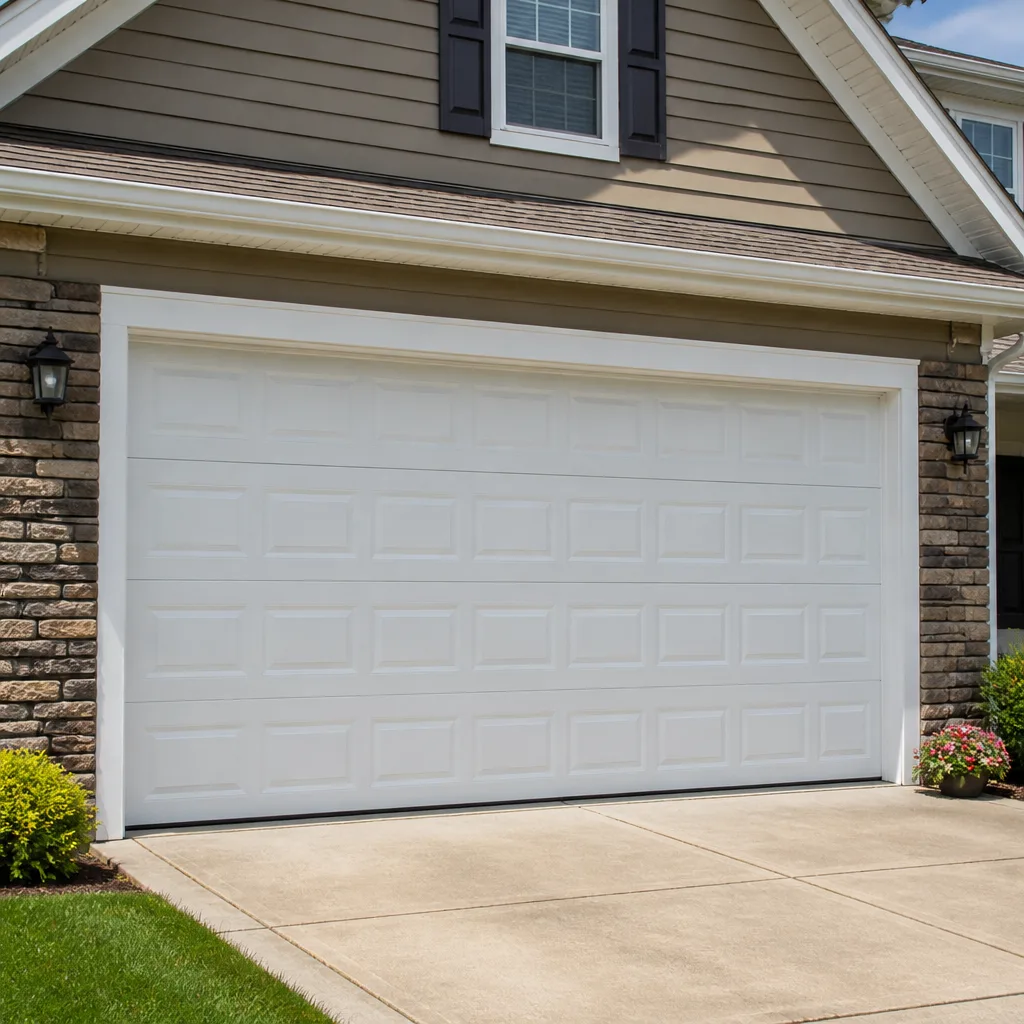 Raised-panel steel
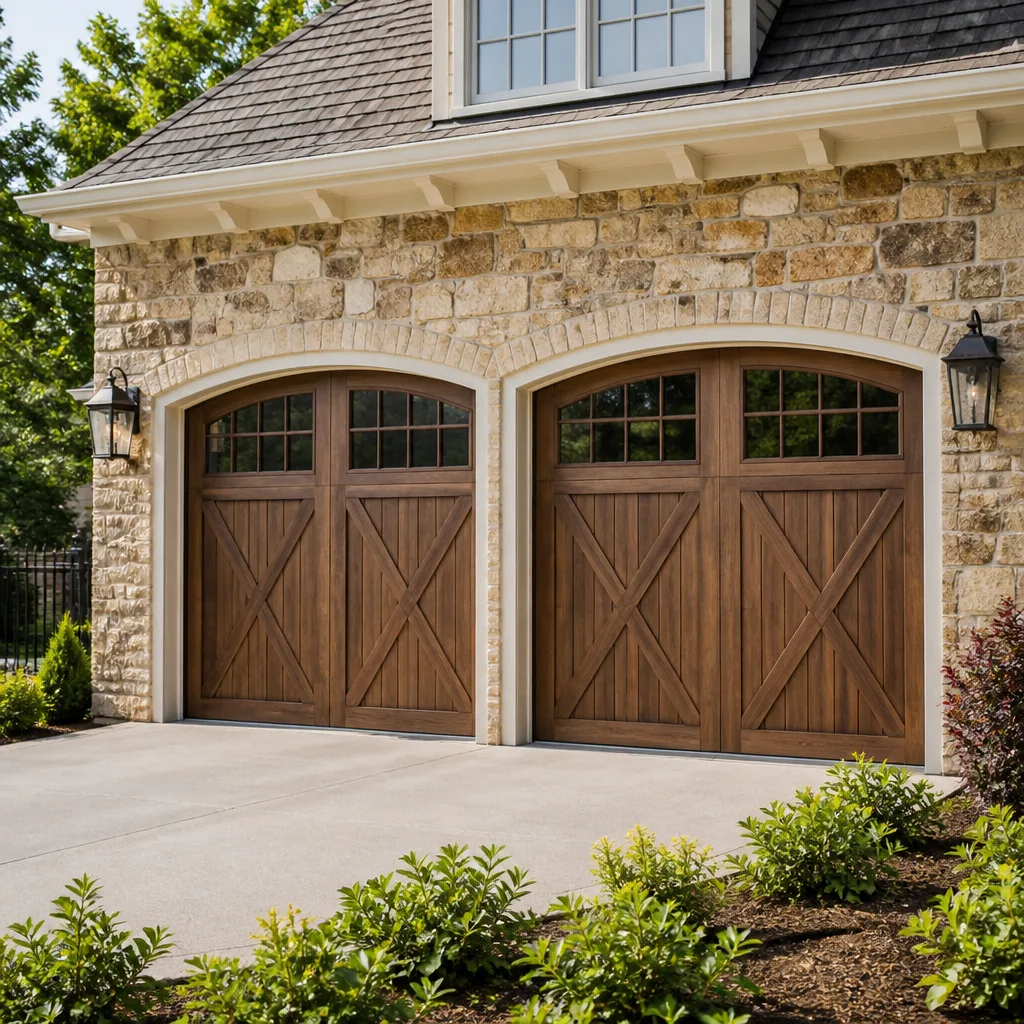 Carriage house
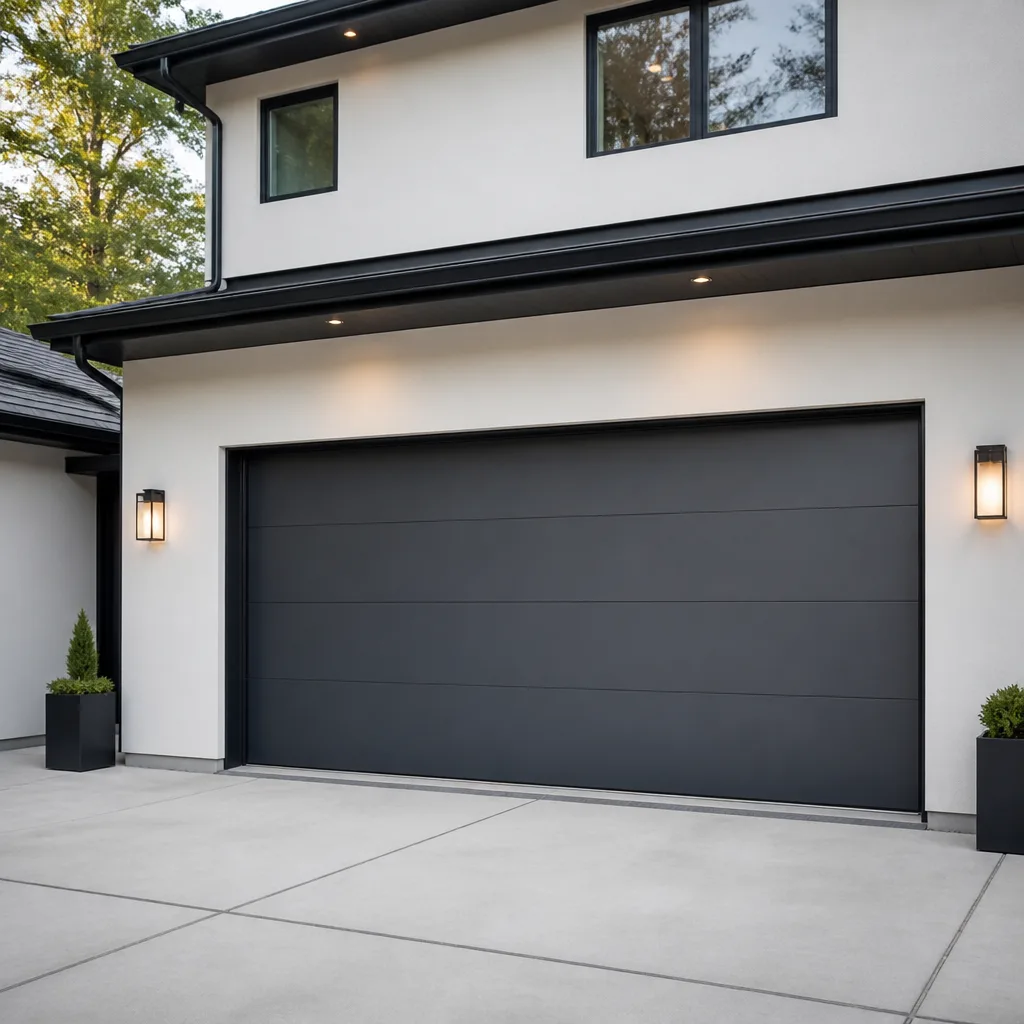 Modern flush
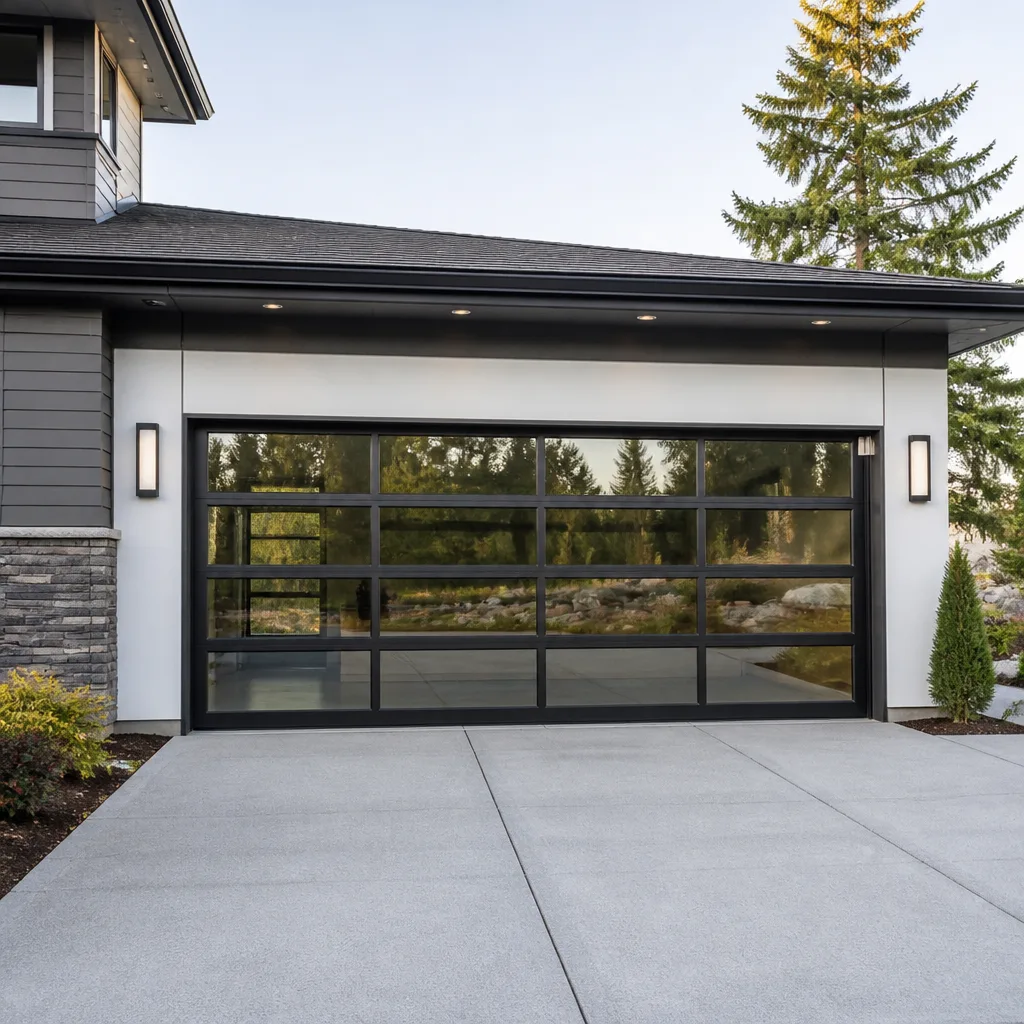 Full-view glass
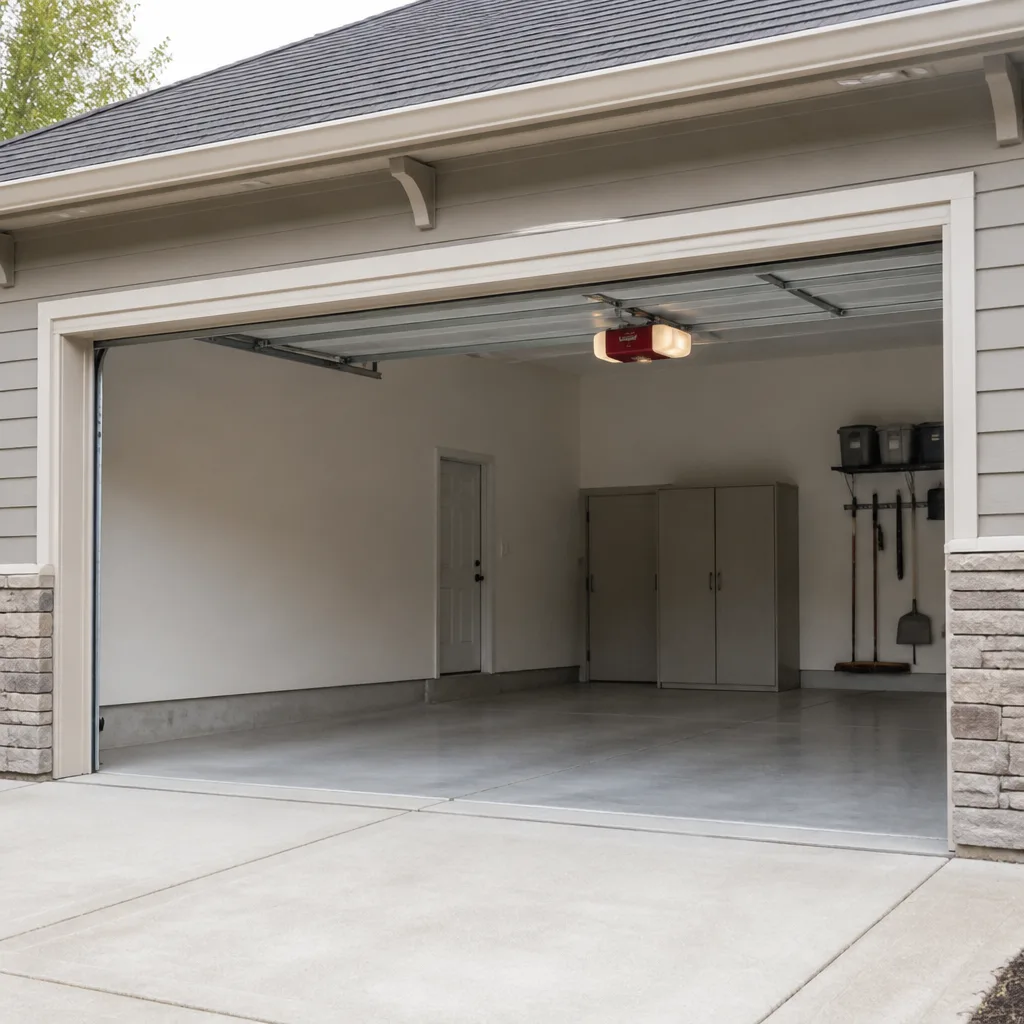 LiftMaster openers
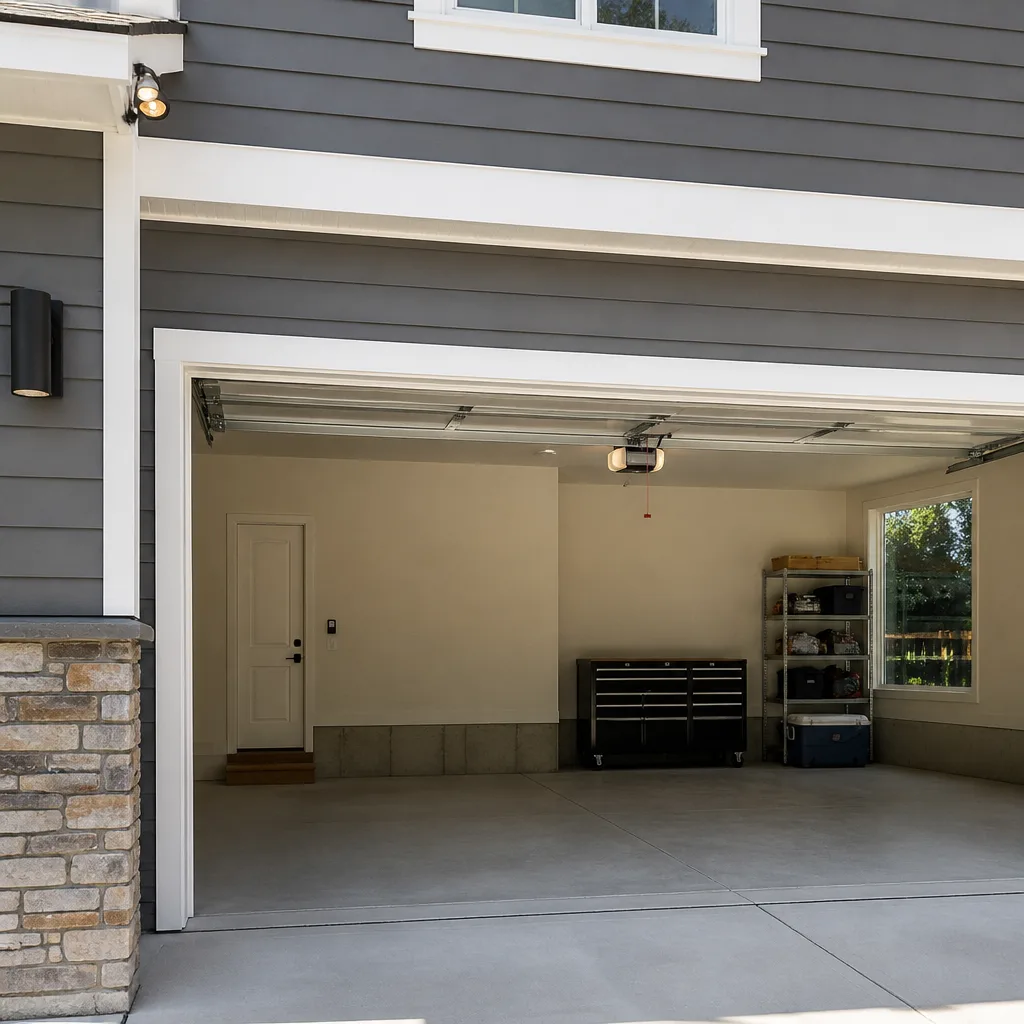 Chamberlain openers
Full 25-point door and opener safety check with every visit - springs, cables, rollers, tracks, and your LiftMaster or Chamberlain opener included
You get a price before we start. It does not change when the pro arrives.
Get your free estimateChoosing the Right Garage Door Brand: A Buyer’s Guide for Greenwich
A carriage-house door with a beautiful finish can look perfect on a brick colonial in Riverside. Then a panel warps a few seasons in, the manufacturer is thousands of miles away, and the replacement lead time runs into months. The door that looked best on day one turns out to be the hardest one to live with. Brand choice is a 20-year decision, and in Greenwich it carries extra weight: the climate, the housing stock, the resale market, and the availability of matched panels all push toward some manufacturers and away from others. This guide walks through the brands most often installed here, what their warranties actually mean, how materials hold up, and which doors hold their value when you sell.
Quick Answer
The best garage door brand for a Greenwich home is usually Clopay, Amarr, or Wayne Dalton, chosen for their local distribution, panel availability, and warranty support rather than for looks alone. Steel and wood-composite models from these makers hold up to the region’s humidity and temperature swings better than cheaper imported doors, and their parts are far easier to source when a single panel needs replacing years later. Pick brand by what’s serviceable in Greenwich, not by what photographs best.
Styles & brands we work with
- Raised-panel steel
- Carriage house
- Modern flush
- Full-view glass
- LiftMaster openers
- Chamberlain openers
Table of Contents
- The Brands Most Often Installed in Greenwich
- Side-by-Side Comparison: Clopay, Amarr, Wayne Dalton, CHI, and Hörmann
- How to Read a Warranty Beyond the Headline Number
- Material Performance in Greenwich’s Climate
- Panel Availability: The Factor No One Warns You About
- Resale Value: What Greenwich Buyers and Appraisers Respond To
- Does the Opener Brand Matter Too?
- A Step-by-Step Way to Choose
The Brands Most Often Installed in Greenwich
A handful of manufacturers dominate the doors you’ll see on homes across Greenwich, and there’s a reason for that: they have working distribution, local dealers, and parts networks that make service realistic. The names that come up most often are Clopay, Amarr, Wayne Dalton, CHI, and Hörmann. Each sits in a different spot on the price and serviceability scale.
Clopay is the largest residential door maker in the country and the one you’ll encounter most when shopping for a new install. The Grand Harbor and Canyon Ridge lines show up frequently on Greenwich homes that want a carriage-house look without solid wood. Parts are widely stocked through local door and building-supply channels, so a damaged section can usually be matched.
Amarr is a strong mid-market option with a broad catalog and solid steel construction. Its carriage-style and traditional raised-panel doors are common in the backcountry and mid-country sections of town, where homeowners want a good-looking door without the imported-carriage-door price tag.
Wayne Dalton brings a couple of advantages for older homes, including models built around tighter clearances common in older garages. Its Thermospan line is popular where insulation matters, as it does on garages attached to living space. Local service on Wayne Dalton equipment is realistic.
CHI is a smaller manufacturer with a reputation among installers for solid build quality and thicker steel on some models. Availability is slightly narrower than the big three, but a good local dealer can still source it and get panels when needed.
Hörmann is the imported option, made in Germany, and the one to think hardest about. The doors look great, and the engineering is impressive. The problem is that when something fails or a panel is damaged, you’re dealing with overseas lead times and a smaller local parts network. If you go Hörmann, know in advance how a replacement panel will get here.
Whichever brand you lean toward, the question that matters is whether the local pro installing it can also service it. That’s where garage door repair experience pays off.
Side-by-Side Comparison: Clopay, Amarr, Wayne Dalton, CHI, and Hörmann
Here’s how the five brands stack up on the criteria that actually affect a Greenwich homeowner over the life of the door. These are the factors that matter most, not the marketing bullet points.
Clopay
- Local parts availability: Very good. Panels and hardware are widely stocked through the same channels local dealers use.
- Warranty support: Strong, with well-defined coverage and authorized local dealer networks.
- Style range: Very broad, from basic raised-panel steel to carriage-house composite and full custom wood.
- Best for: Homeowners who want a known brand with easy service and a wide choice of looks.
Amarr
- Local parts availability: Good. A smaller catalog means fewer oddball parts, but the common ones are easy to get.
- Warranty support: Solid, with reliable coverage on standard lines.
- Style range: Strong in traditional and carriage styles at mid-market prices.
- Best for: A good-looking door that won’t be hard to service or replace.
Wayne Dalton
- Local parts availability: Good, especially for the Thermospan and classic steel lines.
- Warranty support: Reliable, with well-established dealer networks.
- Style range: Broad. Strong on insulated doors and tighter-clearance models.
- Best for: Attached garages where insulation matters and older homes with difficult clearances.
CHI
- Local parts availability: Moderate. A smaller manufacturer, so plan ahead and confirm panel sourcing before you buy.
- Warranty support: Good, with a solid reputation among installers for build quality.
- Style range: Focused but well-made. Thicker steel on some lines.
- Best for: Buyers who prioritize build quality and don’t mind a slightly smaller parts network.
Hörmann
- Local parts availability: Weakest of the five. Imported panels and parts come with long lead times and fewer local sources.
- Warranty support: Good on paper, but service depends heavily on whether a qualified local dealer can act on it.
- Style range: Excellent. Strong European design and engineering.
- Best for: Buyers who want a specific look and accept the tradeoff in replacement speed.
There’s no universal winner on this list. The right choice depends on what you value: fast service and easy panels, or a specific look you’re willing to wait on. In our experience, most Greenwich homeowners want the first and underestimate the second.
How to Read a Warranty Beyond the Headline Number
A door warranty with a big number on the front can still leave you paying out of pocket. The headline figure (10 years, limited lifetime, whatever it says) only tells you part of the story. Four things matter more than the number. Here’s how to check each one.
- What parts are covered. Some warranties cover the steel sections but exclude springs, hinges, rollers, and tracks, which are the parts that actually wear out first. Read the exclusions before you compare numbers.
- Who actually services the claim. A warranty is a promise made by the manufacturer, but it’s carried out by whoever installs and services the door. If no local dealer can handle the claim, you’re the one chasing it.
- Whether local contractors are authorized dealers. Ask directly before you buy. An authorized dealer has a direct channel to the manufacturer for parts and claims; a general installer may not.
- Labor versus parts. Many warranties cover replacement parts but not the labor to install them. If a panel is covered but labor isn’t, you still pay a service bill, so plan for it.
There’s also a framing point that trips up a lot of buyers: a long warranty doesn’t help if replacement panels aren’t available. A 15-year coverage term is worth little if you can’t source the panel in year three. The two questions go together, which is why we ask both before recommending a brand.
What to ask before signing
- Which specific parts are covered, and which are excluded?
- Who handles claims locally, and is that dealer authorized with this manufacturer?
- Is labor covered or only parts?
- What’s the typical lead time for a replacement panel from this brand?
Get those answers in writing. They matter more than the headline figure on the brochure.
Material Performance in Greenwich’s Climate
Greenwich sits in a coastal-adjacent climate with significant humidity in summer, real temperature swings between seasons, and occasional severe storms that bring wind and debris. That combination stresses a garage door in specific ways. Materials that hold up well in a dry, stable climate can struggle here.
Cold-rolled steel
Steel is the workhorse of garage doors and the best all-rounder for this area. The key variable is gauge: thicker steel (lower gauge number) resists denting and warping better than thin steel, which matters in a climate that expands and contracts the metal through the year. A heavier-gauge steel door from a manufacturer with good local parts is usually the safest long-term purchase for a Greenwich home.
Wood composite versus real wood
Real wood is beautiful and looks right on a classic Greenwich colonial, but it needs upkeep in a humid climate. Left unfinished or poorly sealed, wood can swell, warp, and start to rot. Wood-composite doors (like the composite carriage-house lines from Clopay and Amarr) mimic the wood look while resisting moisture far better, with much less maintenance. For most homeowners here, composite is the smarter tradeoff.
Aluminum in a humid environment
Aluminum won’t rust the way steel can, and it’s lighter, but it dents more easily and can feel less substantial. For homes where a lightweight door is a requirement, aluminum has a place. For the average Greenwich attached garage, steel or composite usually performs better over the long term.
Insulation matters on attached garages
Most Greenwich garages are attached to the house, whether in Old Greenwich or on a backcountry property. An insulated door (foamed-in-place polyurethane is better than polystyrene) helps moderate the garage temperature, which keeps the rooms above and beside it more comfortable. It’s a small upgrade that pays off in comfort year-round.
Before a new door goes in, existing tracks and hardware are worth a look, and so are the opener and springs. If you suspect something’s failing, it’s worth talking to a pro about garage door spring repair before the door comes off.
Panel Availability: The Factor No One Warns You About
This is the single most overlooked factor when choosing a door brand, and it’s where imported doors can let you down. A garage door is made of sections. When one section is damaged (by a car bumper, a hard impact, or years of humidity warping a poorly sealed panel), you don’t replace the whole door. You replace a panel. The question is: how fast can that panel arrive?
For the brands with strong Greenwich-area distribution (Clopay, Amarr, Wayne Dalton), a matched panel often arrives in weeks, sometimes faster if the local dealer has it. For brands with weak local distribution, and especially for imported doors like Hörmann, that wait can stretch out to months. A homeowner who loved a custom finish can find themselves waiting far longer than expected for a single matching panel, and the rest of the door sits there looking tired in the meantime.
How to check panel availability before you buy
- Ask your installer for the typical lead time on a replacement panel from the brand you’re considering.
- Confirm that the finish and profile are still in active production (some discontinued finishes are impossible to match).
- Ask whether the local dealer keeps common panels in stock or has a fast reorder channel.
- For any imported or niche brand, get a written estimate of replacement lead time before signing.
It’s the same logic that applies when you’re choosing who services the door after it’s installed: whoever repairs it should be able to source parts for it. A door is only as good as its parts network, and in Greenwich that means sticking to brands a local pro can actually get panels for.
Resale Value: What Greenwich Buyers and Appraisers Respond To
Greenwich has one of the most competitive real estate markets in the country, and the garage door matters more than many sellers realize. It’s one of the first things a buyer sees when they pull into the driveway, and it contributes to curb appeal in a way that’s easy to underestimate. But “adds resale value” is too vague to be useful. Here’s what actually matters.
Style should match the house, not follow a trend
In Greenwich’s specific market, buyers respond to a door that fits the architecture. A carriage-house door on a classic colonial, a clean raised-panel steel door on a mid-century home, and a contemporary design on new construction each look right when they match. A trend-driven door that clashes with the house reads as a mistake, and buyers notice. Match the house, not the catalog’s latest look.
Function and quality outrank flash
Buyers and appraisers care about a well-built, well-insulated door that works smoothly far more than a trendy finish. A door that rattles, sticks, or looks cheap undercuts the value a beautiful finish was supposed to add. The best resale move is a solid, well-installed door from a serviceable brand, in a style that fits the house.
Insulation and a quiet opener help
A well-insulated door and a smooth, quiet opener are real selling points to buyers who’ve lived with noisy or drafty garages. Those details signal a well-maintained home, which is exactly what a Greenwich buyer is looking for.
Service history is a quiet asset
A door with a documented service history and a serviceable brand is easier to hand off than one nobody can get parts for. When you eventually sell, buyers’ inspectors will look at the door. A door from a brand that’s easy to service locally, with a working parts network, gives both the buyer and their inspector confidence.
If you’re thinking about a sale and your current door is showing its age, the first step is a proper assessment. Our Greenwich Garage Door Repair Pros team can tell you whether a repair will do or whether it’s time for a new install.
Does the Opener Brand Matter Too?
Yes, and it’s often overlooked because the door gets all the attention. The opener is part of the system, and how well it plays with your door and your brand choices actually matters. The opener brands most common in Greenwich are LiftMaster, Chamberlain, Genie, Craftsman, and Raynor, and several of those come from the same engineering lineage (LiftMaster and Chamberlain share a parent company, and Craftsman units have long been built on the same platform).
Genie is the other main platform, and it’s a solid choice with wide parts availability. Raynor brings a strong reputation for commercial-grade reliability that trickles down to residential units. The key is that the opener should be matched to the door’s weight and size. A door that’s heavier than the opener is rated for will strain every time it cycles, wearing out both faster than necessary.
Why opener brand matters for service
- Parts for common openers (Genie, LiftMaster, Chamberlain) are easy to source and stocked widely.
- An opener from a less-common brand can mean longer waits for a replacement motor or control board.
- A well-matched opener makes a door quieter and lasts longer, both worthwhile for resale.
If your current opener is acting up, that’s usually a fast fix with the right parts on hand. Our team handles garage door opener repair on all the major brands, which means you’re not stuck if your unit is acting up.
A Step-by-Step Way to Choose
Brand choice doesn’t have to be overwhelming. This is the process we walk customers through, and it starts with practical questions rather than style photos. Work through these steps in order.
- Start with the house, not the catalog. What style fits the architecture? A Greenwich colonial, a contemporary build, and a mid-century home each call for different looks. Match the door to the house so it reads as original rather than bolted on.
- Decide between steel, composite, and wood. For most homes here, heavy-gauge steel or wood composite is the best balance of durability and low maintenance. Choose real wood only if you’re okay with upkeep.
- Check local panel availability for the brands that fit. Ask your installer which brands they can actually source a replacement panel for, and how long it takes. This simple question eliminates brands that would leave you waiting.
- Read the warranty’s exclusions, not just its headline figure. Confirm who services claims locally and whether labor is covered.
- Match the opener to the door. Confirm the opener is rated for the door’s weight and size, and that its brand has easy local parts.
- Get a written estimate before work starts. Confirm the written estimate, in writing, before any work begins, and check it covers installation, removal of the old door, and the opener setup.
Following these steps usually narrows the choice to two or three solid options, and from there it comes down to finish and budget. The point isn’t to find the most impressive name on the market. It’s to find the door you won’t have to worry about for the next two decades, from a brand someone in Greenwich can actually service.
One more thing before you install
If the existing door frame, header, or track is in rough shape, that’s worth addressing before a new door goes on. Our garage door repair team can assess the opening and make sure the foundation is sound. A new door on a bad frame is one of the fastest ways to waste a good install.
Common Mistakes to Avoid
- Choosing a brand you can’t get parts for. The imported door that looks perfect on day one can leave you waiting months for a panel. Confirm lead times before you commit, especially for Hörmann.
- Reading only the warranty headline. A 10-year warranty means little if springs and hinges are excluded. Read the exclusions, and ask who services claims locally.
- Matching the trend instead of the house. A door that clashes with the architecture in a Greenwich neighborhood reads as a mistake to buyers and appraisers. Fit the home first.
- Skipping insulation on an attached garage. Most Greenwich garages are attached, and an insulated door keeps the rooms around it more comfortable. It’s a small upgrade with real payoff.
- Ignoring the opener. An opener rated for a lighter door will strain your new door every time it cycles. Match the opener to the door’s weight.
- Buying real wood without planning for upkeep. Real wood looks right on a classic home but needs sealing and care in this climate. Wood composite gives a similar look with far less maintenance.
- Skipping the written estimate. Get the written estimate before any work is scheduled, so there’s no surprise when the door is off the truck.
See the difference
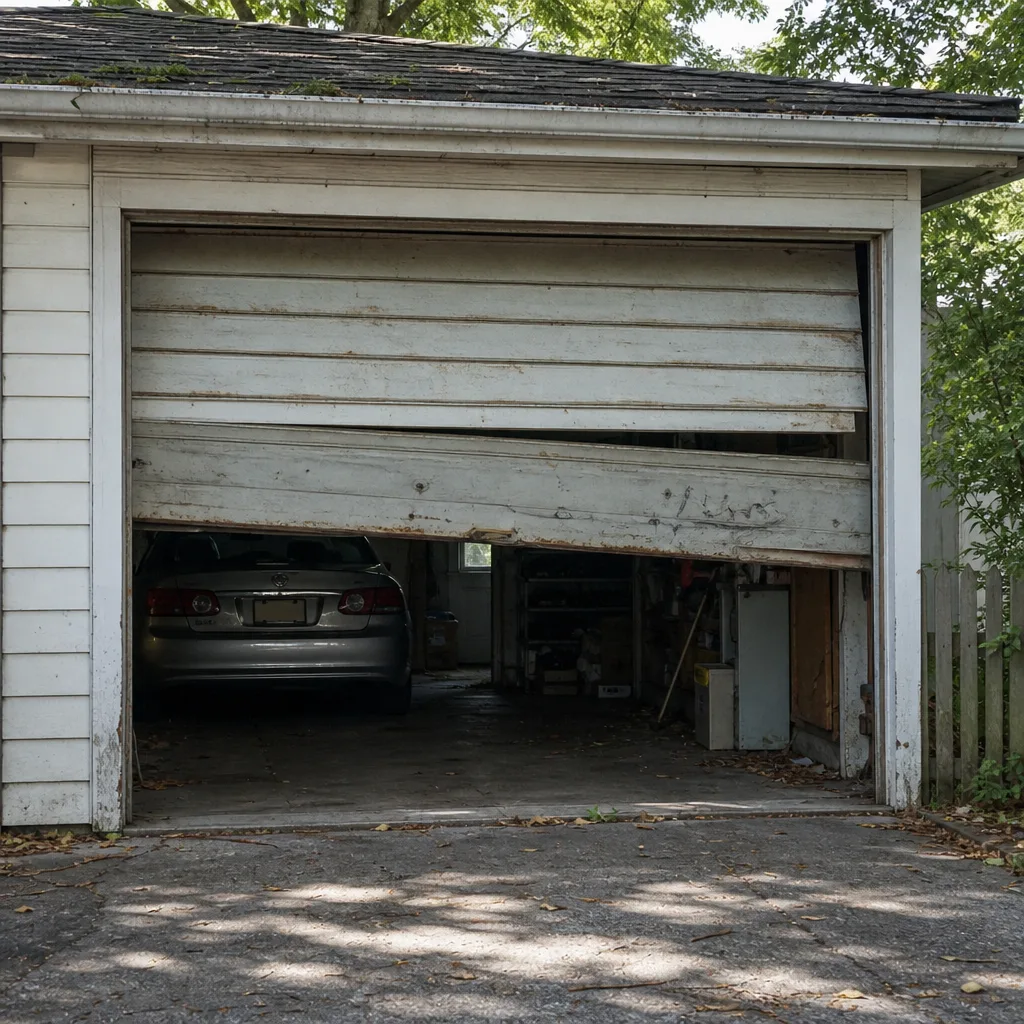 Before
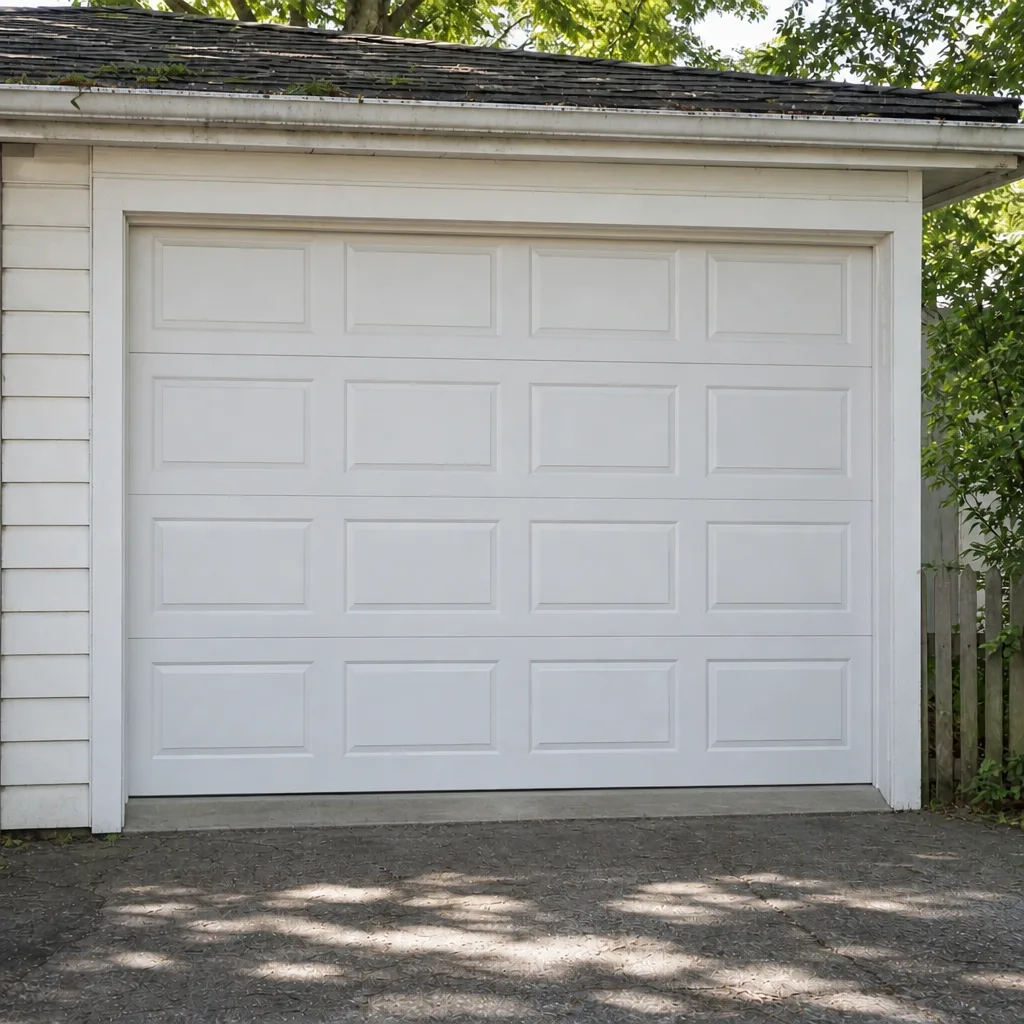 After
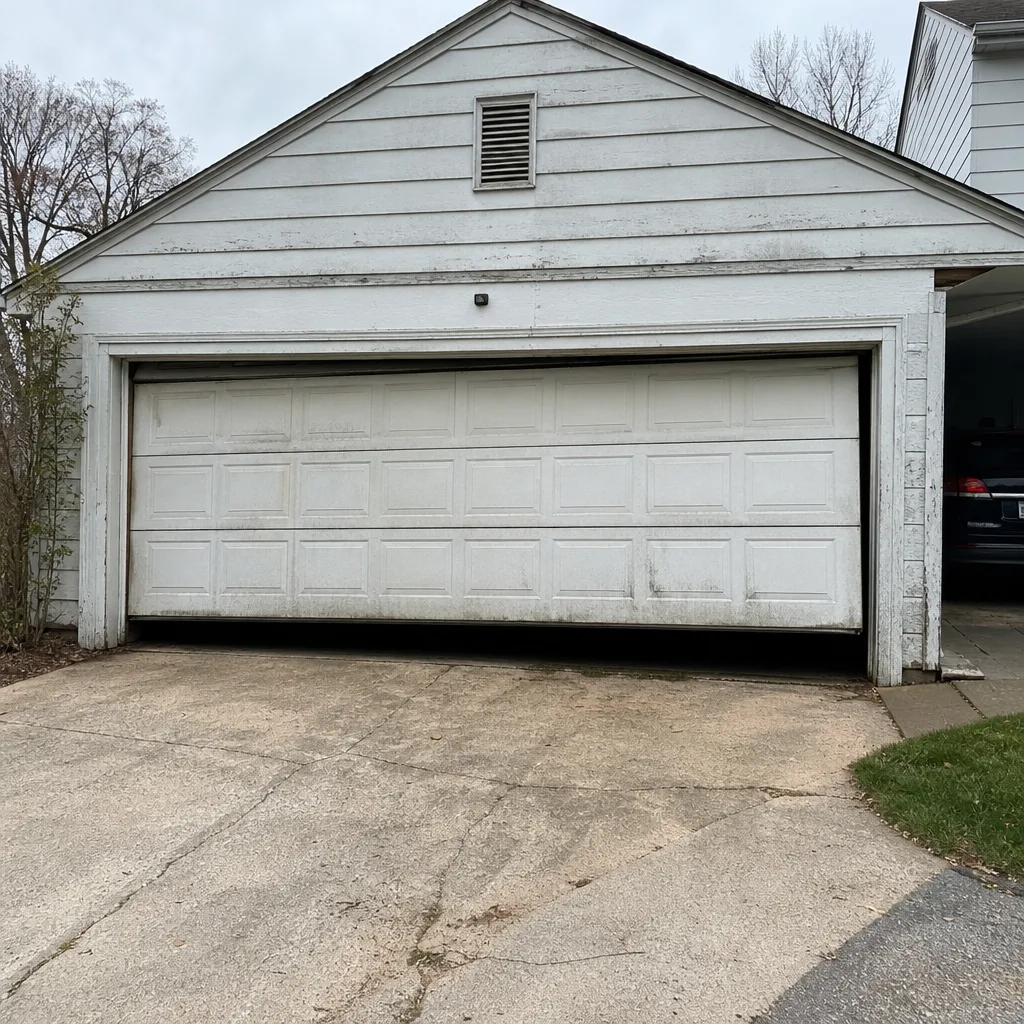 Before
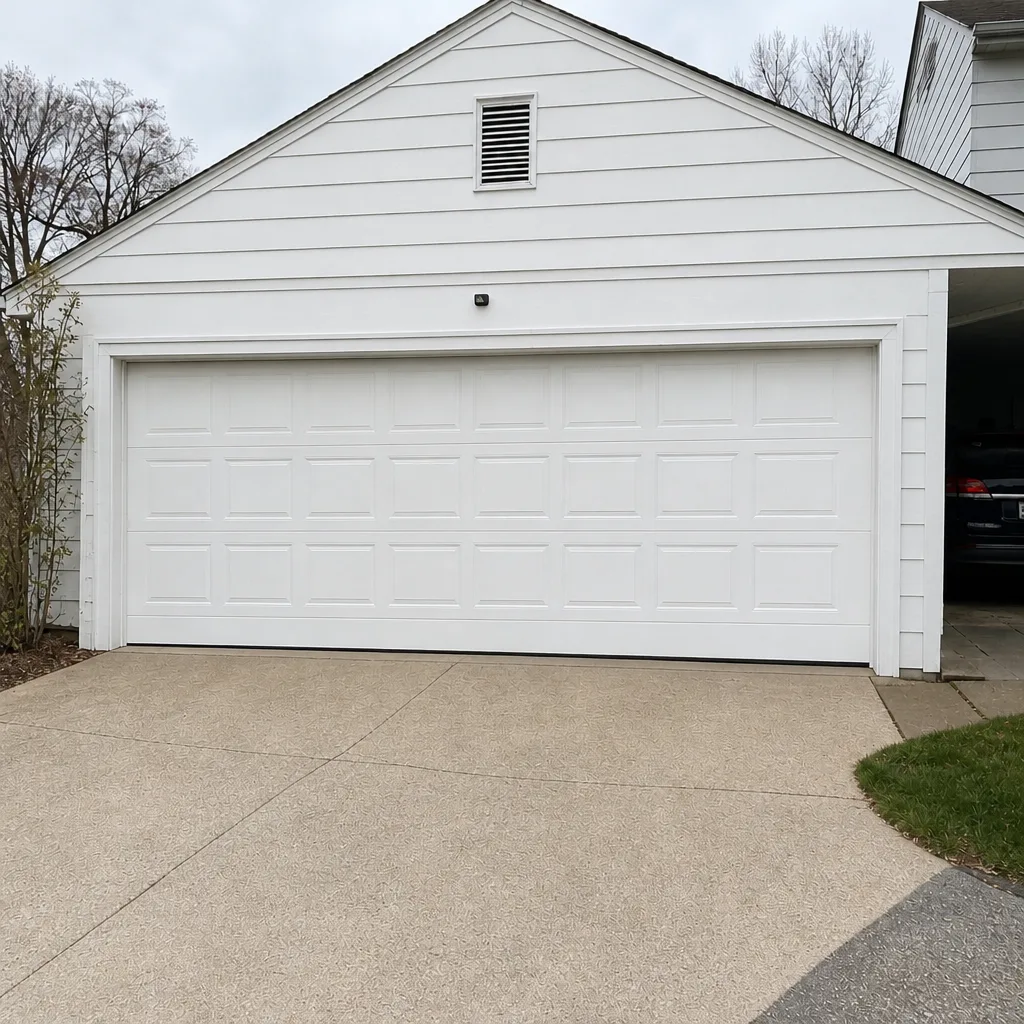 After
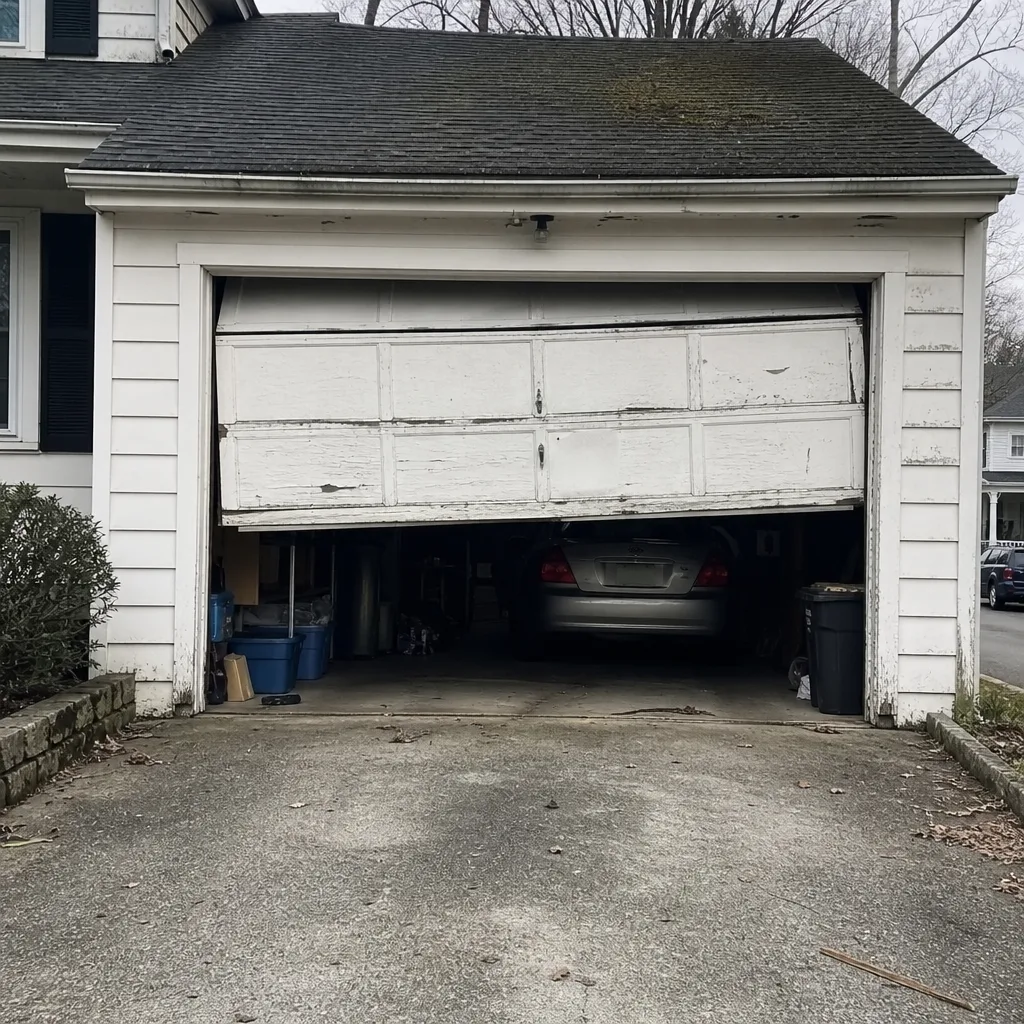 Before
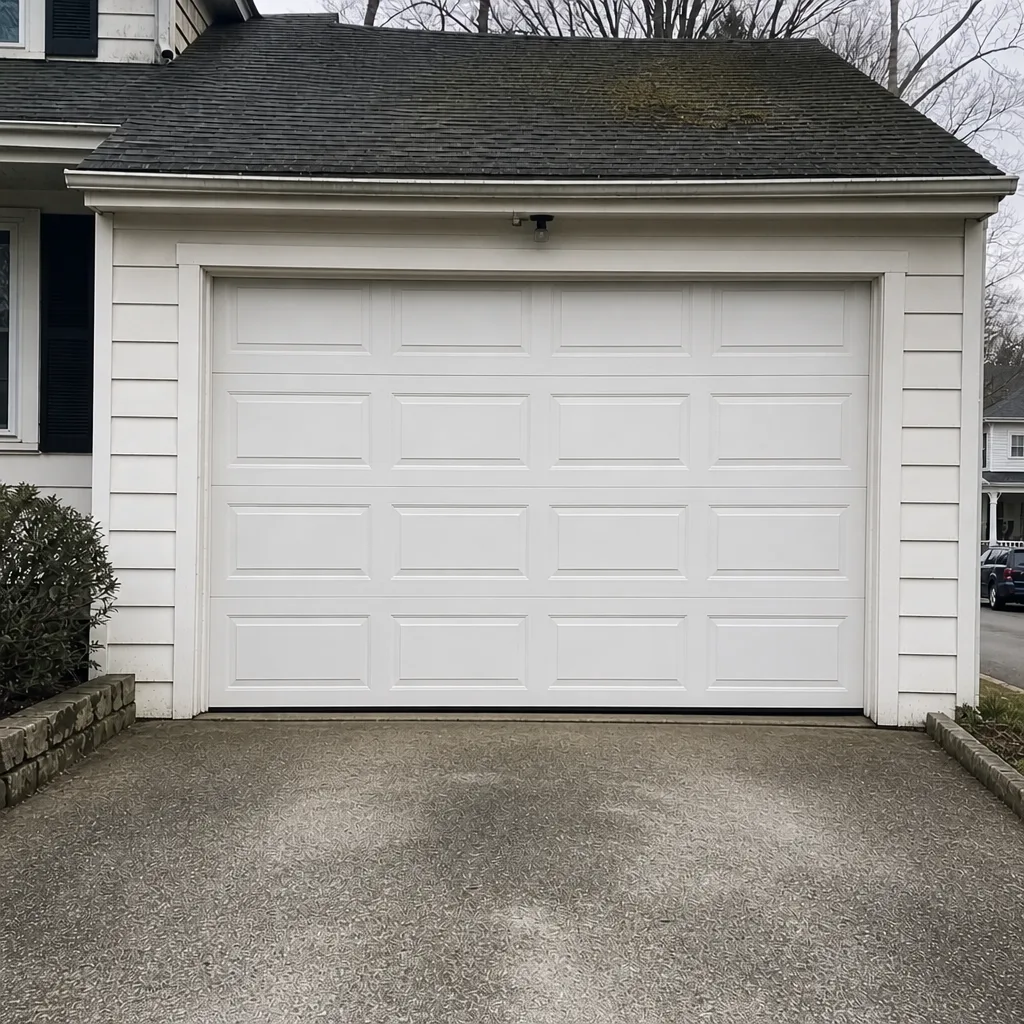 After
When to Call a Professional
Some garage door issues are genuinely a job for a specialist, not a handyman or a weekend project. A high-tension spring repair is the clearest example: garage door springs store a huge amount of energy, and releasing that energy wrong is a real injury risk. That’s why we always flag it. If a spring breaks, we handle the spring so you don’t have to. Never attempt to release spring tension yourself. The same goes for the cables and the high-tension hardware, which can fail suddenly.
The other clear case is a door that’s jammed or off its tracks, especially if it’s blocking a car in or leaving a home unsecured. That’s the high-stress scenario where you want a specialist who can get the door back up safely, not a general repair visit scheduled days out. If a door fails or the opener stops working, we offer free estimates in Greenwich. Give us a call at (855) 337-1759 and we’ll get you back up and running.
Frequently Asked Questions
For most Greenwich homes, Clopay, Amarr, or Wayne Dalton are the safest long-term choices because of their local parts availability and warranty support. They balance style, durability, and serviceability well. If you want a specific European look, Hörmann is an option, but confirm replacement-panel lead times before you buy. Call (855) 337-1759 for a free estimate.
Hörmann doors are well-engineered and look great, but the risk is panel and parts availability. A replacement panel can take far longer to arrive than one from a brand with local distribution. If you love the look and accept the wait, go in informed. If speed of service matters, stick with a brand that has strong Greenwich-area distribution.
A well-made steel or composite door typically lasts many years in this climate, provided it’s installed correctly and maintained. The biggest threats are humidity (which stresses wood and poorly sealed steel) and severe storms (which cause impact damage). Choosing the right material and gauge matters more than any single brand name.
Heavy-gauge steel and wood composite are the best all-rounders for Greenwich. Steel is durable and low maintenance, and composite mimics wood without the moisture problems. Real wood looks excellent on classic homes but needs regular sealing and care in this humid climate. Choose based on how much upkeep you’re willing to do.
Genie, LiftMaster, Chamberlain, and Craftsman are the most common opener brands in the area, which means parts for them are easy to source. Raynor units are also common and well-regarded. If your opener is from a less common brand, service can still be done, but parts may take longer. Call (855) 337-1759 for a free estimate.
A well-chosen door adds real curb appeal and signals a maintained home, which Greenwich buyers and appraisers respond to. Function and quality matter more than a trendy finish. Match the door to the architecture, choose a serviceable brand, and make sure it’s installed well. That’s what holds value at resale.
The Bottom Line
The right garage door brand for a Greenwich home comes down to three things: whether it suits the house, whether it holds up to this climate, and whether someone local can actually service it and source replacement panels years down the line. Clopay, Amarr, and Wayne Dalton are the safest long-term bets for most homes here; CHI is a solid quality option; Hörmann is beautiful but needs a clear-eyed look at replacement lead times. Read the warranty’s exclusions, don’t skip insulation on an attached garage, match the opener to the door, and get a written estimate before any work starts. Do those things, and the door you choose this year will still be serving your home two decades from now.
If you’d like a straight assessment of your door and a free written estimate, call Greenwich Garage Door Repair Pros at (855) 337-1759. Our technicians have up to 15 years of experience and work on any make, any model. We’ll help you get the right door for your home, back up and running.
Written by the team at Greenwich Garage Door Repair Pros.