Last updated November 23, 2026
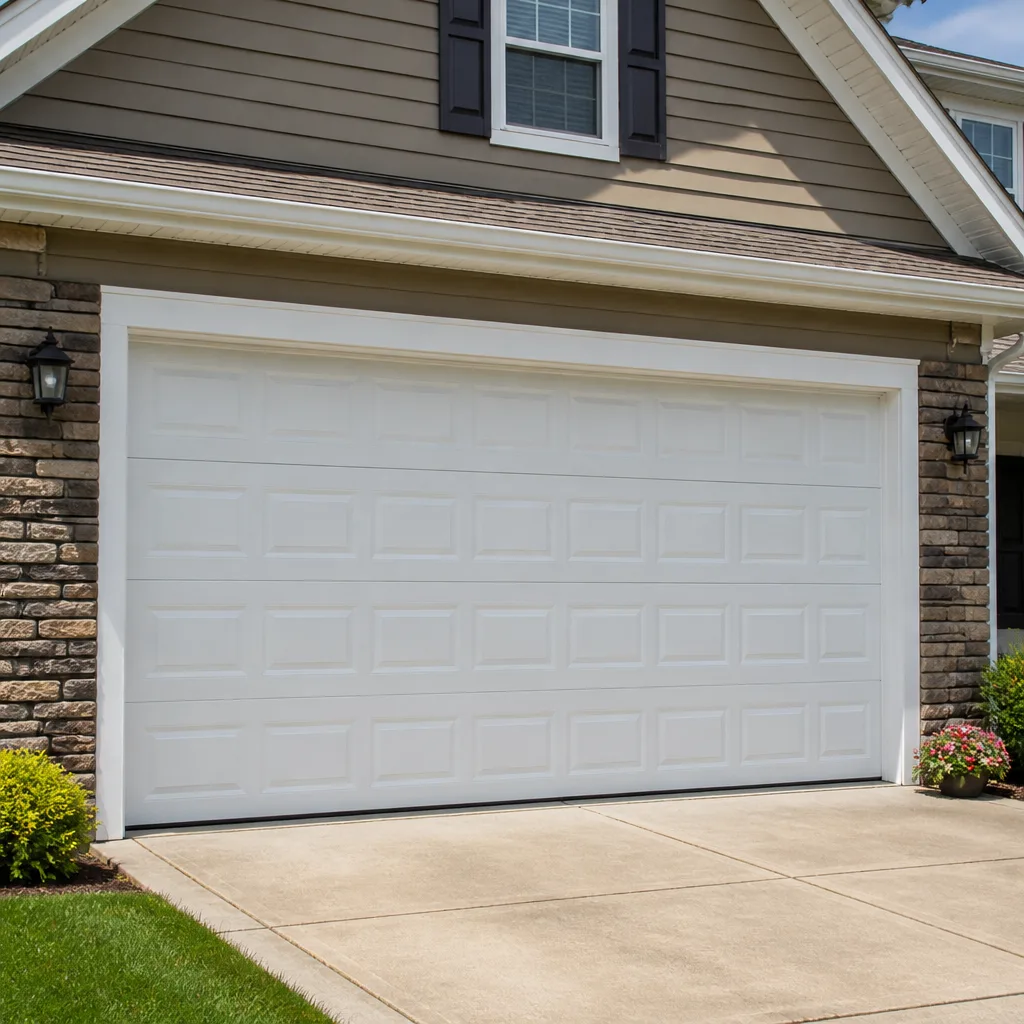 Raised-panel steel
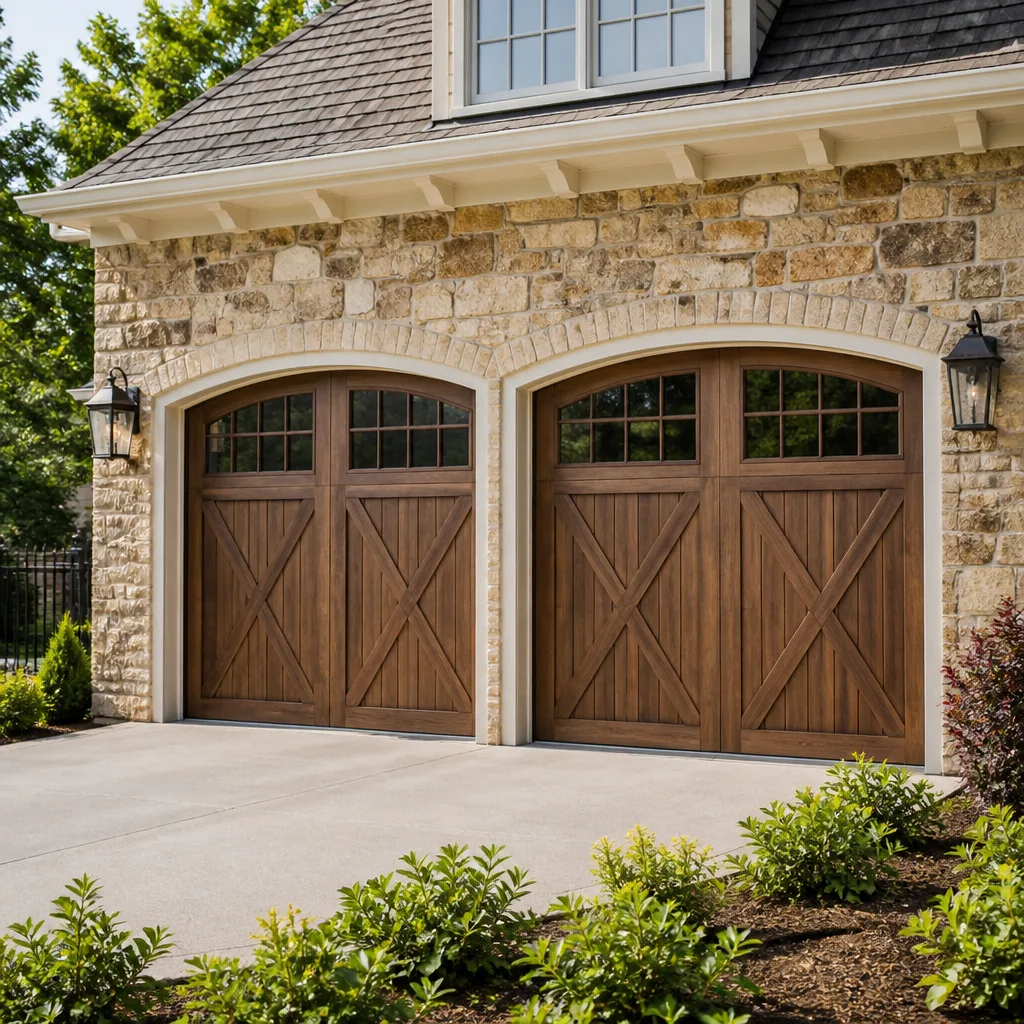 Carriage house
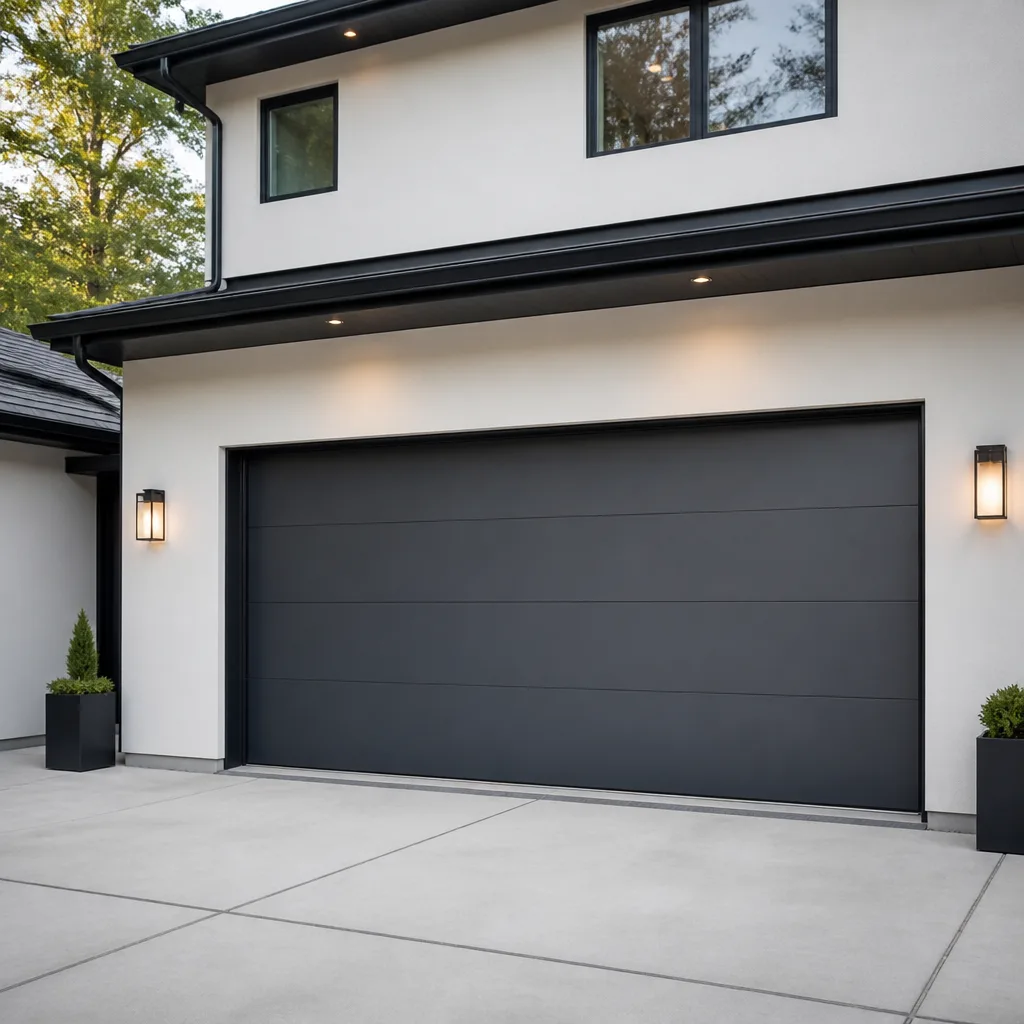 Modern flush
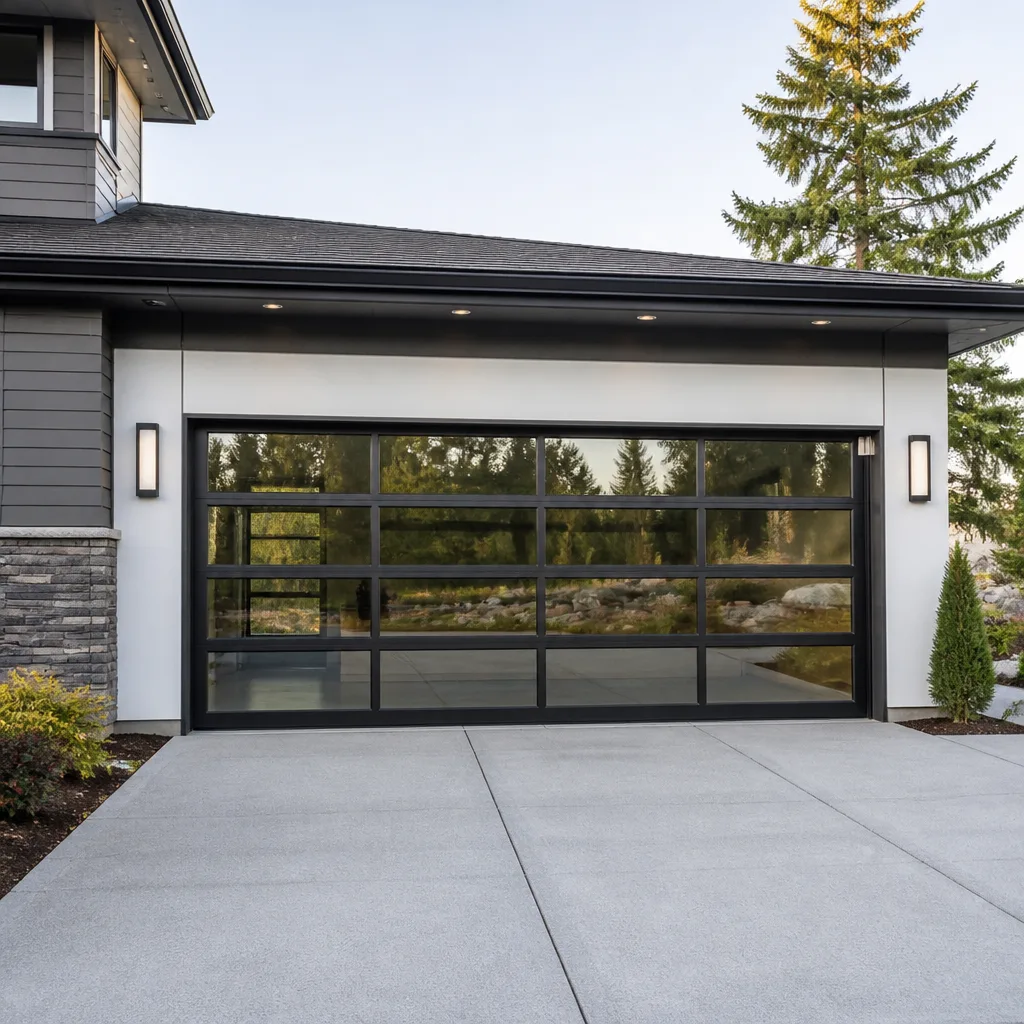 Full-view glass
 LiftMaster openers
 Chamberlain openers
Full 25-point door and opener safety check with every visit - springs, cables, rollers, tracks, and your LiftMaster or Chamberlain opener included
You get a price before we start. It does not change when the pro arrives.
Get your free estimateSeasonal Garage Door Care for Greenwich: Year-Round Homeowner’s Guide
Most homeowners think a garage door fails because something wore out. In our experience around Greenwich, the truth is less tidy. The same door that hums along in April can snap a torsion spring on a February morning, and the part didn’t suddenly get weaker overnight. Temperature did that. Metal contracts in the cold and expands in the warmth on a schedule you can roughly predict, and every season here loads a different part of the system. This guide maps those failure risks to the calendar. You’ll learn what to check in fall so winter doesn’t catch you, how to free a frozen door without destroying the seal, why spring is the highest-risk season for a snapped spring, and how summer heat quietly wears out your opener’s circuit board. We’ll finish with a month-by-month care calendar built for Greenwich weather.
Quick Answer
Seasonal garage door care in Greenwich means matching your maintenance to what each season stresses. Fall is for tightening and lubricating before the cold hits, winter is for protecting seals and avoiding force, spring is the danger window for torsion springs, and summer is when opener electronics and exposed hardware take their beating. Check the door once per season and you’ll catch most failures before they strand you.
Styles & brands we work with
- Raised-panel steel
- Carriage house
- Modern flush
- Full-view glass
- LiftMaster openers
- Chamberlain openers
Table of Contents
- Fall Prep: Adjustments That Prevent Cold-Weather Failures
- Winter: Handling a Frozen Door Without Damage
- Spring: The Highest-Risk Season for Torsion Springs
- Summer: Heat, Humidity, and Your Opener
- The Greenwich Month-by-Month Care Calendar
- A Repeatable Seasonal Inspection Checklist
- Common Mistakes to Avoid
Fall Prep: Adjustments That Prevent Cold-Weather Failures
Fall is the season that decides how your door behaves in January. This isn’t about spraying lubricant on everything and calling it done. It’s about the specific adjustments that let the door operate smoothly once the metal starts contracting.
Here’s what actually matters before the first hard freeze in Greenwich:
- Lubricate the right points, not the whole door. Rollers, hinges, and the torsion spring coils take a garage-door-rated lubricant. Don’t spray the tracks, since grease there collects grit and gums up the rollers. A dry silicone spray on the tracks keeps things clean.
- Check the balance. Disconnect the opener and lift the door halfway by hand. A balanced door stays put. If it drifts down or feels heavy, the springs are losing tension and will struggle more in the cold.
- Inspect the weather seal along the bottom and sides. A cracked or hardened seal lets cold air and moisture in, and it’s the first thing to tear when the door freezes to the floor. Replace it before winter, not after.
- Test the safety reverse. Put a block of wood under the door and close it. The door should reverse on contact. Cold weather stiffens the mechanism, and a marginal safety sensor becomes a stuck door fast.
- Tighten the hardware. The vibration of daily use loosens bolts over the year. A quick pass with a wrench on the hinge and bracket bolts prevents rattles and misalignment.
One note on the opener: if your unit is a LiftMaster or Chamberlain with a battery backup, test it now. Backup batteries lose capacity in cold, and the one time you need it is the one time the power is out. Newer openers from these brands run self-diagnostic routines, so check the indicator light and follow the manual if it signals a fault.
Scheduling a fall tune-up means you’re paying attention to the door before it fails, not after. If you’d rather have a trained eye run the check, our garage door repair team handles the diagnostics and small fixes in one visit.
Winter: Handling a Frozen Door Without Damage
A door frozen to the ground is the most common winter call we get in Greenwich. The instinct is to hit the opener button again and again until it pops loose. Don’t. Forcing a frozen door strips the opener’s drive gear, bends the bottom section, and tears the seal, and it’s the fastest way to turn a five-minute thaw into a real repair.
If your door won’t lift:
- Stop cycling the opener. Each attempt strains the drive system. Pull the manual release cord only if you’re certain the door isn’t under spring tension that could drop it.
- Free the seal, don’t force the door. Warm water along the bottom seal, or a heat source directed at the base, loosens the ice bond. Never chip at the ice with a tool near the seal or the glass.
- Clear snow and ice from the tracks and threshold. Packed ice in the tracks is a mechanical jam, not a temperature problem, and it will stop a door cold.
Cold also makes the whole system stiffer. A door that balanced easily in October can feel heavy in January because the springs lose some tension in low temperatures and the metal contracts. If the door suddenly feels sluggish, that’s a signal to have the springs checked rather than to turn up the opener’s force setting. Cranking up force to compensate for weakening springs just accelerates wear on the opener’s gears and the door’s hinges.
On the coldest mornings, try to run the door open and closed once slowly before you head out. It gives you a read on stiffness and lets you catch a problem before it becomes an emergency. And if a spring does let go, don’t run the door at all; a spring under tension that has snapped can’t safely hold the door, and calling for help is the right move. Our team offers garage door spring repair and treats it as a same-day priority, because a door stuck open in the cold isn’t something to leave overnight.
Spring: The Highest-Risk Season for Torsion Springs
Post-winter is the highest-risk window for a torsion spring to fail in Greenwich. The cold months work the spring hard, then the first warm stretch of March or April relaxes the metal, and a spring that was already fatigued lets go. The temperature swing from a January night near freezing to a mild March afternoon is exactly the cycle that finishes off a tired spring.
You can inspect for warning signs without touching the spring itself. What to look for:
- A visible gap in the spring coil. A broken torsion spring shows an obvious gap where the coil has separated. If you see it, stop using the door.
- A door that lifts unevenly or feels much heavier. One spring failing in a pair means the door runs unbalanced, and the second spring is now carrying double the load.
- Loud bangs or a sudden jolt. A spring breaking is often heard before it’s seen, sometimes from inside the house.
- The door hanging crooked. Uneven lift usually points to spring or cable trouble, not the opener.
Here’s the part we want every homeowner to take seriously. Torsion springs are under high tension, and the cables that run with them are dangerous. This is not a DIY job. A trained technician uses the right winding bars and the right procedure; an untrained hand risks serious injury. If you see a gap or the door won’t lift, leave it alone and call.
Replacing one spring when its matched partner is the same age is usually a mistake. A pair wears out together, so a single new spring working against an old one rarely lasts. We replace one spring if only one is worn, and match the pair when both are near the end, so the tension stays even. That’s the kind of judgment that comes from working on these systems daily. Greenwich homeowners can reach our technicians for a spring check before the season turns, which is far cheaper than addressing a failure after the fact.
Summer: Heat, Humidity, and Your Opener
Summer heat does its damage quietly, mostly inside your opener and on the hardware you can see. Two problems dominate in Greenwich during the warm months: overheated opener circuit boards and rust on exposed metal.
Opener electronics are the part most homeowners forget. A garage that gets hot in the afternoon pushes the opener’s control board toward the top of its safe operating range, and heat is the leading killer of opener boards. If you notice the opener acting erratic, the safety sensors losing their signal, or the unit shutting down after a few cycles, heat stress on the board is a likely cause. A LiftMaster or Chamberlain unit with self-diagnostics can help point you to the problem, but a board that’s failing needs replacing, not resetting.
Exposed hardware is the other summer project. Hinges, rollers, and the bottom bracket sit in humid air for weeks, and bare metal rusts. A light coat of lubricant on hinges and rollers slows it down, and it’s worth checking the bottom bracket and the track rollers for corrosion. This is also a good time to clear the tracks of grit and check the door’s alignment, since heat expansion can make a slightly off-track door bind.
If your opener is older and giving you trouble, or if you’re unsure whether it’s the opener or the door, our garage door opener repair service covers diagnosis on any make and model, including the Genie and Raynor systems still common around town. We’d rather repair the opener you have than sell you a new one.
The Greenwich Month-by-Month Care Calendar
Greenwich’s weather is a useful clock: the calendar below ties seasonal tasks to the local pattern of cold winters, a wet spring, humid summers, and a crisp fall. It’s a guide, not a rigid schedule, but it puts your maintenance on the same rhythm as the weather.
- September: The fall tune-up window. Balance-check the door, lubricate rollers and hinges, inspect the bottom seal, test the safety reverse, and tighten hardware before the first cold snap.
- October: Replace a worn weather seal now, while the weather is mild, so the seal is fresh going into winter. Check the opener’s backup battery.
- November: Clear the tracks and threshold of leaf debris. Cold mornings will make any grit in the tracks a jam, so this is the last easy window to clean them.
- December: Winter watch begins. Free the door gently if it’s frozen, never force it, and listen for any change in sound or stiffness.
- January – February: Deep winter. Avoid cranking up the opener’s force setting to fight stiffness. Watch for a door that suddenly feels heavy or won’t stay balanced.
- March: Highest spring-risk month. Inspect for a gap in the torsion coil and note any uneven lift or loud bang. Book a spring check if anything feels off.
- April: Post-winter assessment. Have the springs and cables looked at before summer heat adds its own load. This is also a good time to re-lubricate after a dry winter.
- May – June: Summer prep. Test the safety sensors, listen for opener strain, check for rust on hinges and the bottom bracket.
- July – August: Peak heat. Watch the opener for erratic behavior and keep rollers lubricated. If you notice dimming lights or slow cycles, it’s worth a closer look.
Treat this as a starting point and adjust to your door’s behavior. A door that’s older or that gets heavy use will want closer checks than a new one. Greenwich drivers open and close the door many times a day, and that daily cycle adds up.
A Repeatable Seasonal Inspection Checklist
We’ve found that the door gives you plenty of warning if you know what to look for. Here’s a checklist to run at the start of each season. It’s designed to be safe: everything on it is done with the door closed and the power off, and it stops well short of anything involving the spring or cables.
- Listen. With the door closed and the opener disconnected, listen for rattles, grinding, or a scraping sound. Noise points to a loose part or a worn roller.
- Balance-check. Disconnect the opener, lift the door by hand halfway, and let go. It should hold. If it drops or won’t stay up, the springs need attention.
- Look at the seal. Run a hand along the bottom seal for cracks or missing chunks. A seal that’s stiff or torn is a winter problem waiting to happen.
- Check the tracks. Look for dirt, grit, or bending. Tracks should be straight and clean, and slightly plumb.
- Test the safety reverse. With power on, put a block under the door and close it. It should reverse on contact. Test the photo-eye sensors by blocking the beam.
- Look at the hardware. Check hinges and brackets for looseness and rust. Tighten what moves and note what corrodes.
- Watch the opener go. Listen for straining or slow cycles. If a unit like a Craftsman or Raynor are showing new quirks, have it diagnosed.
None of these steps involve putting your hands near the springs, the cables, or the torsion bar. That’s deliberate. A trained technician should be the one adjusting tension or replacing a spring.
Common Mistakes to Avoid
- Forcing a frozen door with the opener. This is the classic Greenwich winter mistake. It strips gears and bends the bottom section. Free the seal first, then cycle the door.
- Cranking up the opener’s force setting. Increasing force to compensate for weakening springs hides the problem and burns out the opener faster. The right fix is a spring check, not more force.
- Lubricating the tracks with grease. Grease collects grit and makes rollers slide instead of roll. Use dry silicone on tracks and garage-door lubricant on the moving parts.
- Replacing one spring of an aged pair. The new spring works against the old one and both wear faster. Match the pair when both are near the end of their life.
- Ignoring a broken spring until the second one goes. Running the door on one spring strains everything, including the cables and the door’s panels. Stop and call once you see a gap.
- Assume the coast is the problem. Humidity near the water affects exposed hardware, but the real enemy is the seasonal temperature swing and the calendar cycle, not the shoreline. The maintenance that matters is seasonal, not salt-related.
- Skipping the fall check because the door “still works.” A door that feels fine in October can be minutes from a winter failure. The tune-up is cheap; the emergency is not.
See the difference
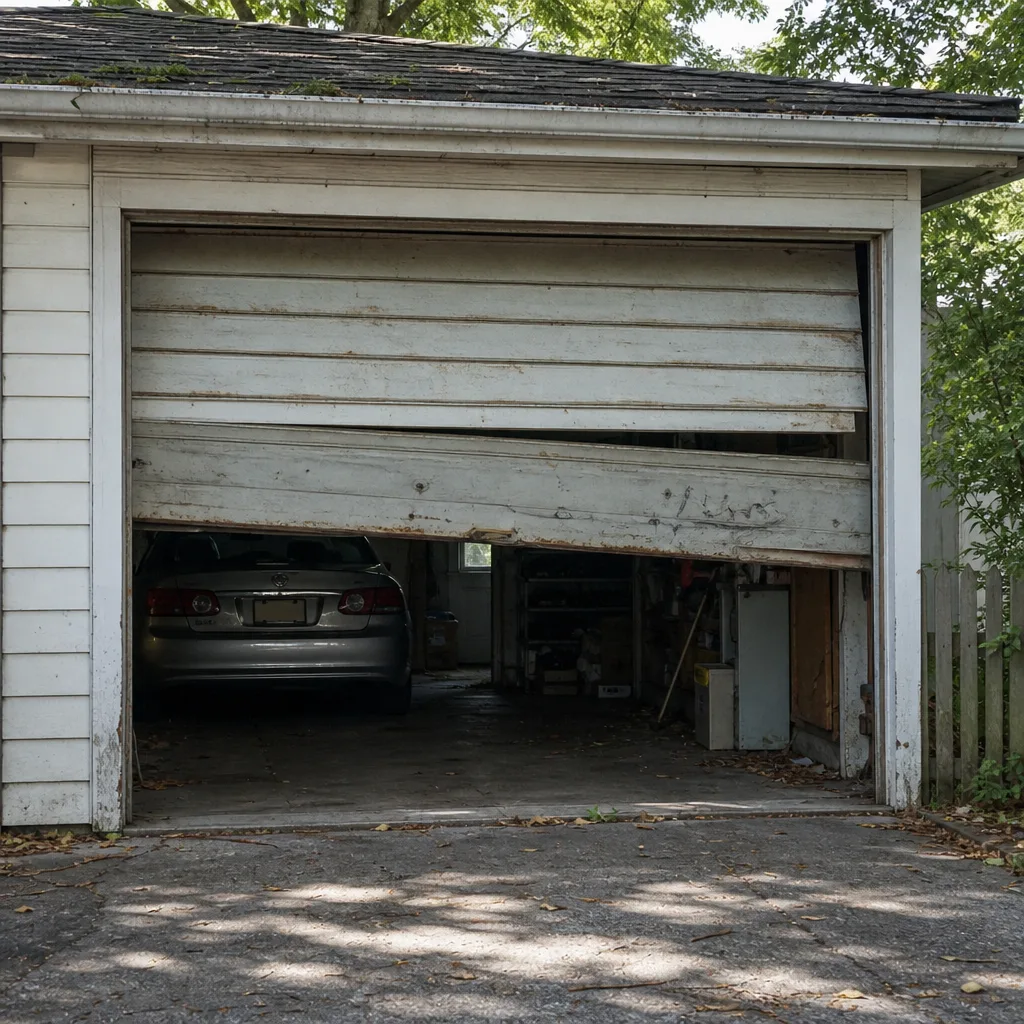 Before
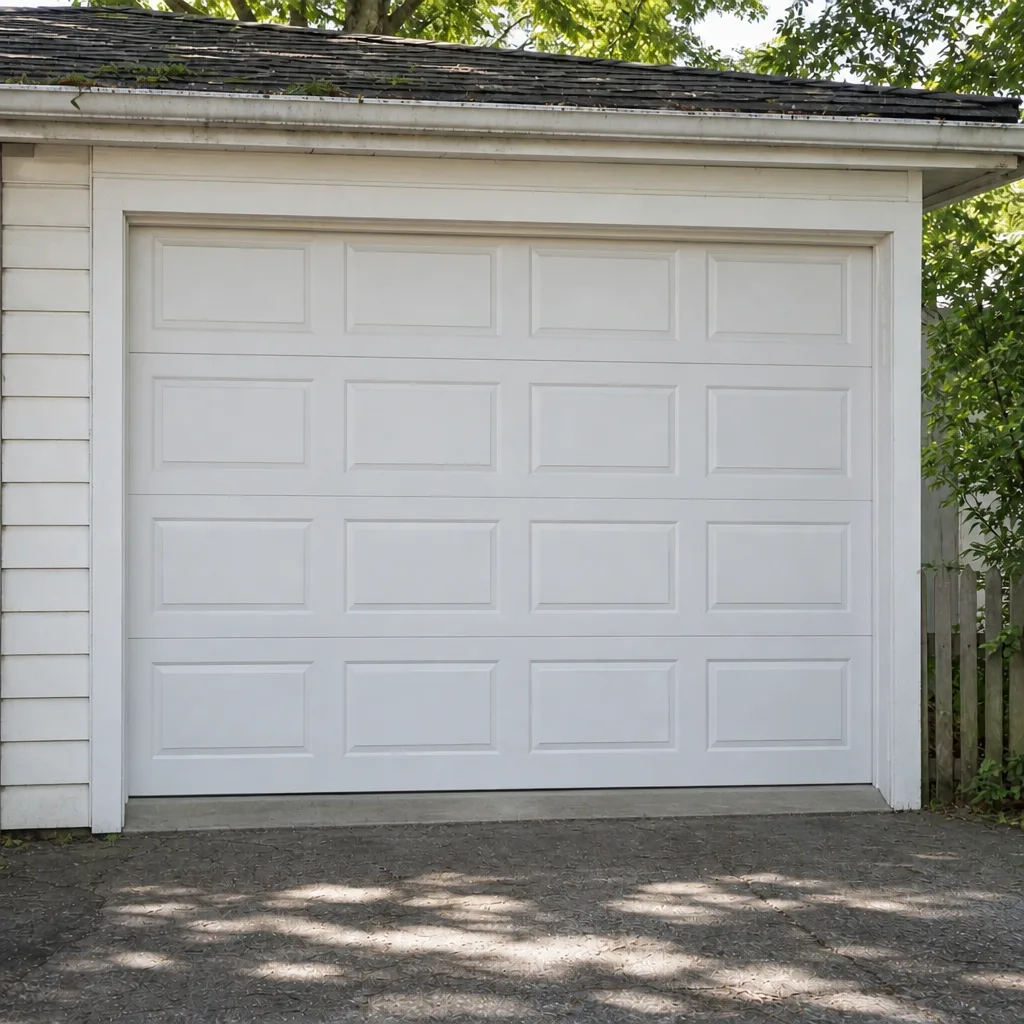 After
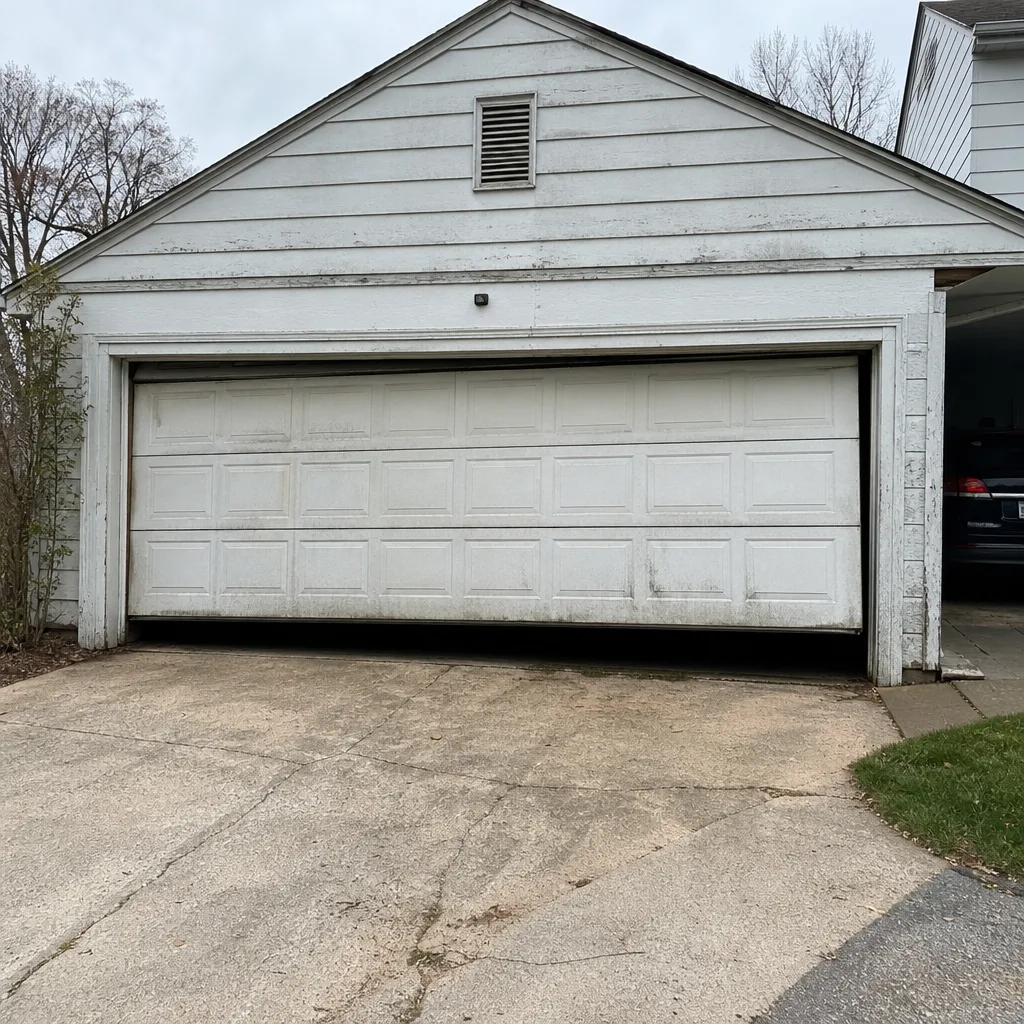 Before
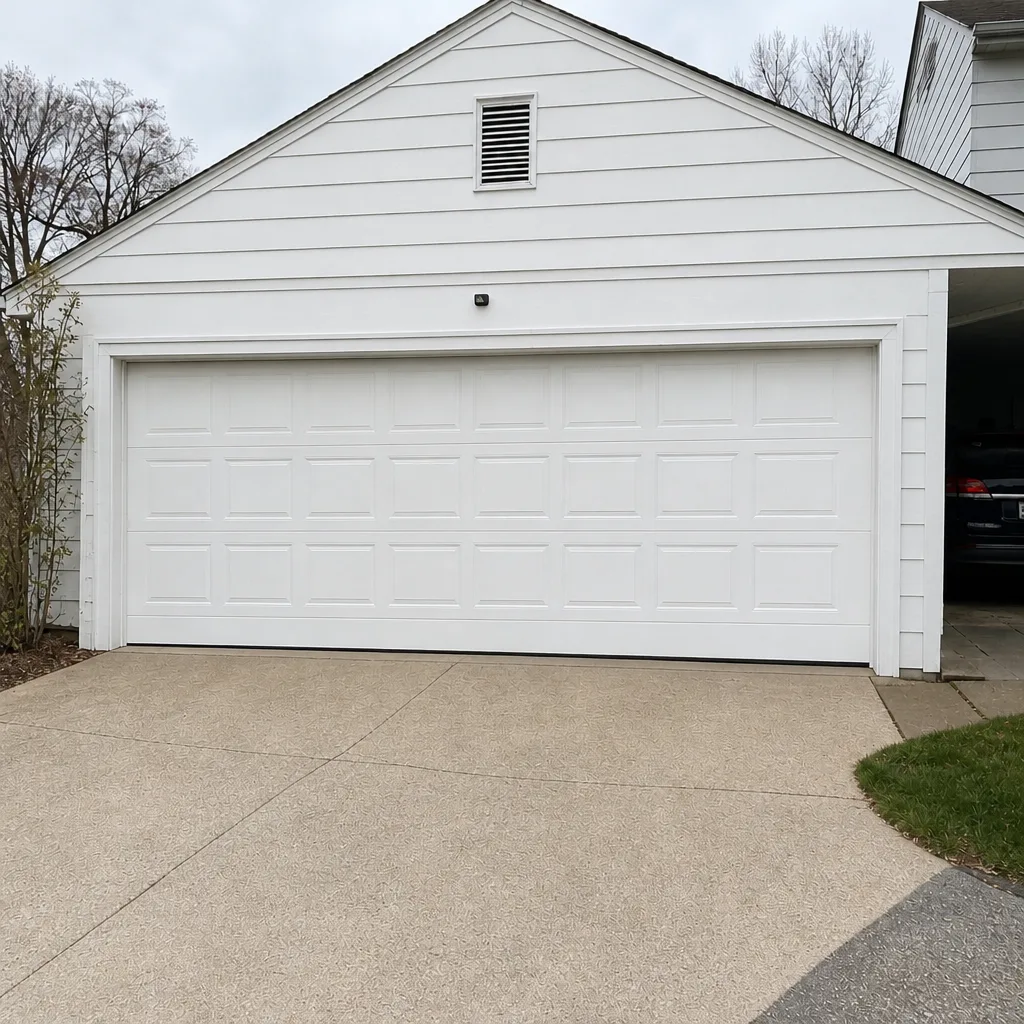 After
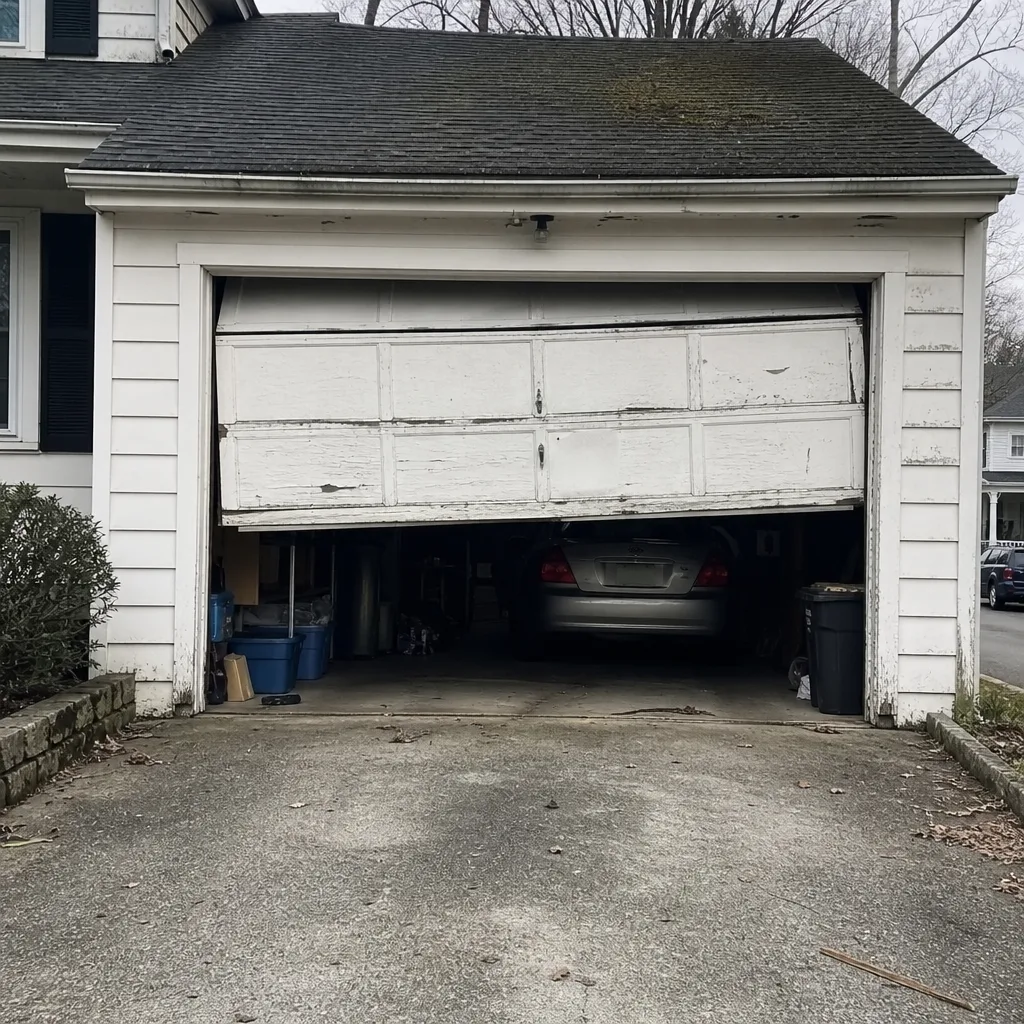 Before
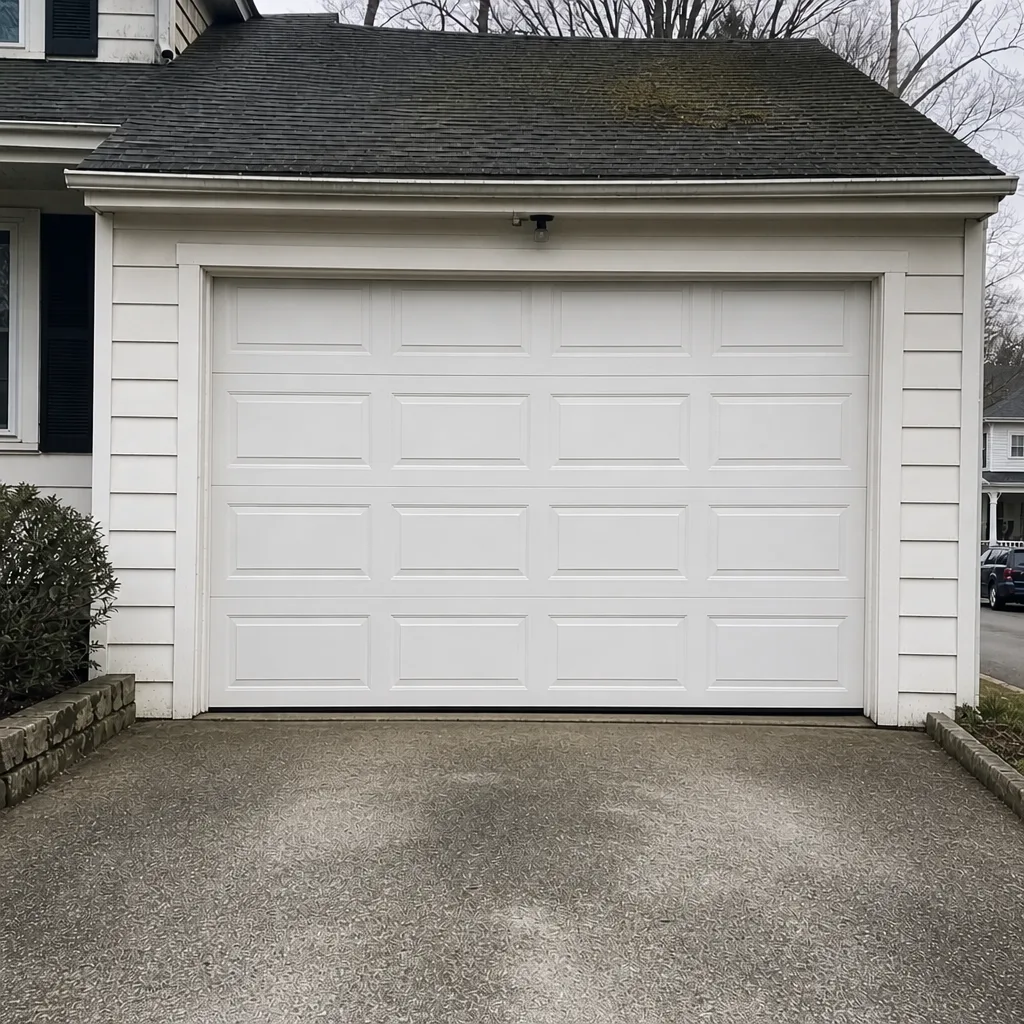 After
When to Call a Professional
Some maintenance you can do yourself, and some you shouldn’t touch. Call a professional for any of these: a visible gap in a torsion spring coil, a door that won’t balance or feels heavy, a snapped cable, a detached roller or bent track, an opener that trips the breaker or moves erratically, or a door stuck open when you need to secure the house. Those are the jobs where expertise matters, and where a wrong move can put your safety at risk. If you’re unsure whether the door is safe to run, that’s the most important time to call. Greenwich Garage Door Repair Pros offers free estimates, and we’ll tell you what the seasonal problem is, what it takes to fix it, and why the fix is the right one. Our team works on any make and any model, from a single broken opener to a full door installation, so you’re not handed off to a separate contractor.
Frequently Asked Questions
Once a season is the right rhythm for most homes here, with a proper tune-up in fall and a spring check before summer. Your door faces four distinct stress periods in Greenwich, and checking once per season catches most problems before they become failures.
Because the cold months work the spring hardest, and the first warm stretch relaxes the metal and finishes off a fatigued spring. A spring that survived the winter is often at its limit when the March thaw arrives. If you see a gap in the coil or the door lifts crooked, stop using it and call.
Yes, but not by forcing it with the opener. Free the seal with warm water or directed heat, clear ice from the tracks, and let the door lift on its own. Forcing it strips the opener and tears the seal.
Yes. Torsion springs are under high tension and the cables run alongside them, and a wrong move can cause serious injury. We handle the spring so you don’t have to. This is a job for a trained technician with the right tools.
It can. Heat is hard on opener circuit boards, and a hot garage pushes the board toward the top of its range. If your opener runs erratically or shuts down after a few cycles in the summer, have it looked at.
Emergency garage door service is available for exactly this situation, because a door stuck open or a broken spring is a security concern, not something to wait out. Call (855) 337-1759 and we’ll get a trained technician to you as quickly as we can.
The Bottom Line
Your garage door doesn’t fail by coincidence. It fails on a schedule set by the temperature, and Greenwich’s four seasons load a different part of the system each time. Fall is for tightening and sealing before the cold, winter is for handling ice without force, spring is the danger window for a snapped spring, and summer is hard on the opener’s electronics and exposed hardware. Check the door once per season, keep your hands off the springs, and call a specialist when something looks wrong. Our technicians have up to 15 years of experience, and we work on any make and any model, from a single broken opener to a complete new door. When you’re ready, our Greenwich Garage Door Repair Pros team can run the seasonal check so you’re back up and running before the next season arrives.
Call (855) 337-1759 for a free estimate. We’ll tell you what your door needs and why, and give you a written price before any work starts.
Written by the team at Greenwich Garage Door Repair Pros.