Last updated November 23, 2026
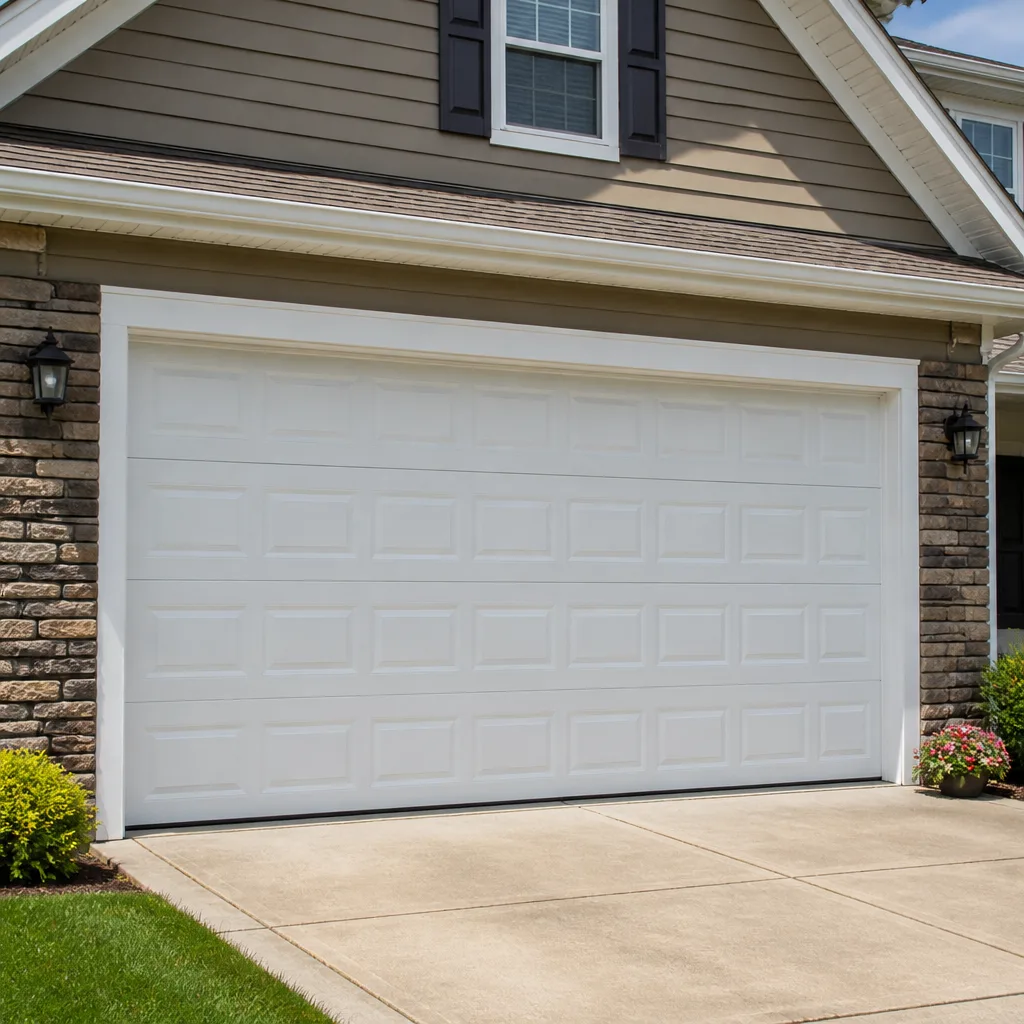 Raised-panel steel
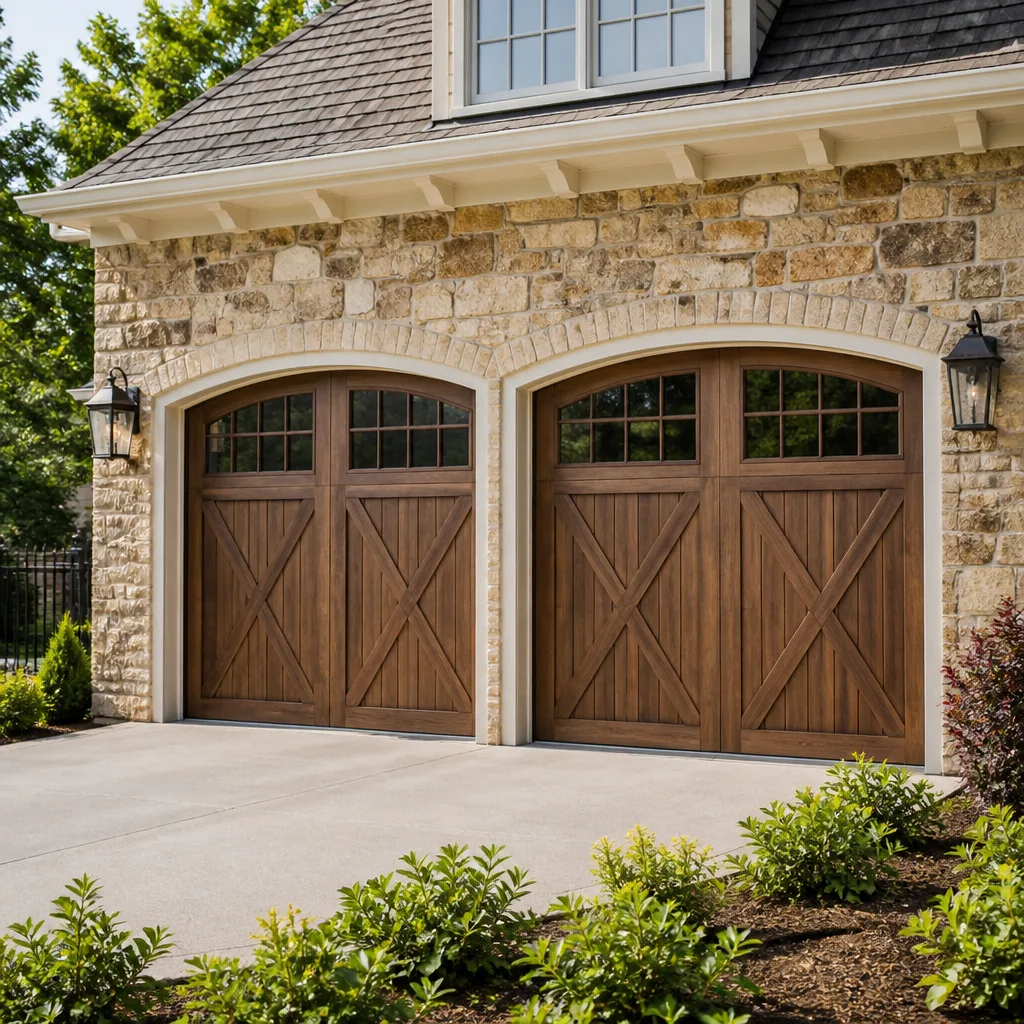 Carriage house
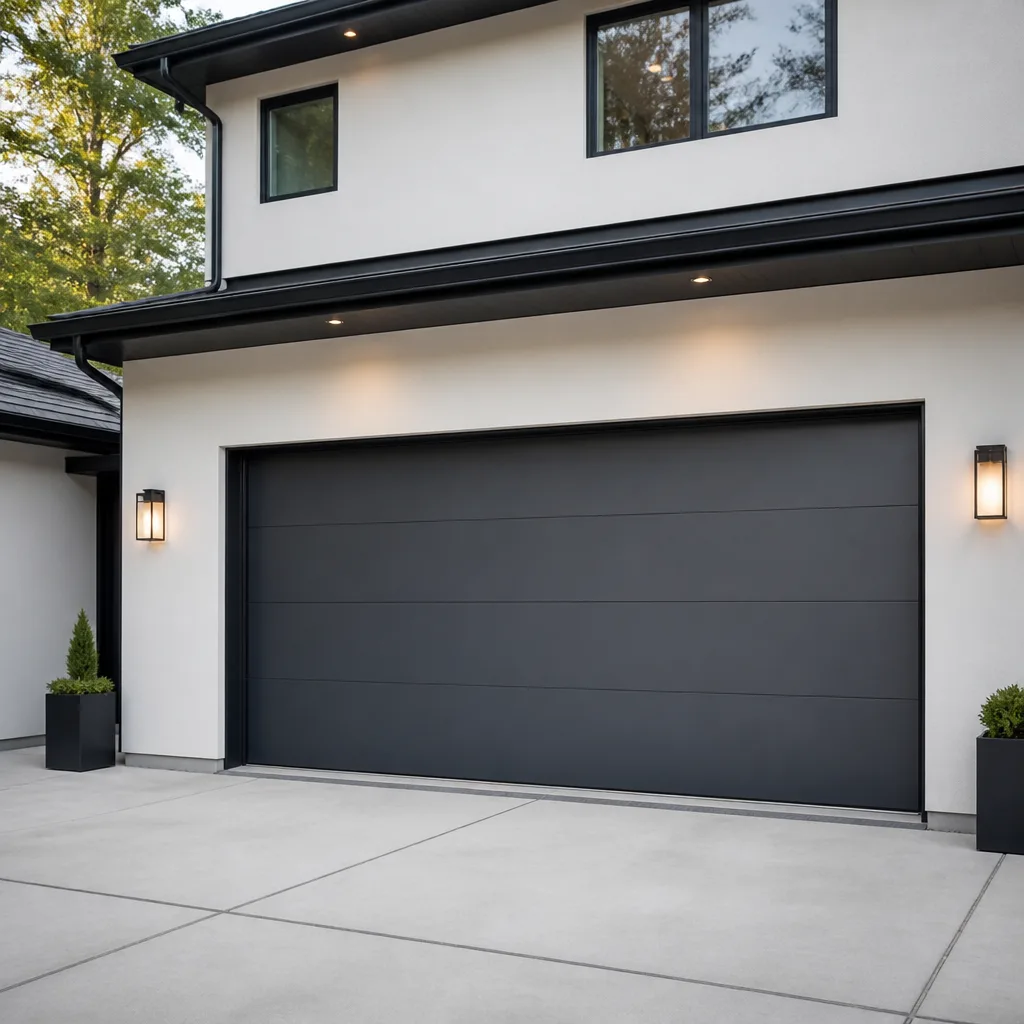 Modern flush
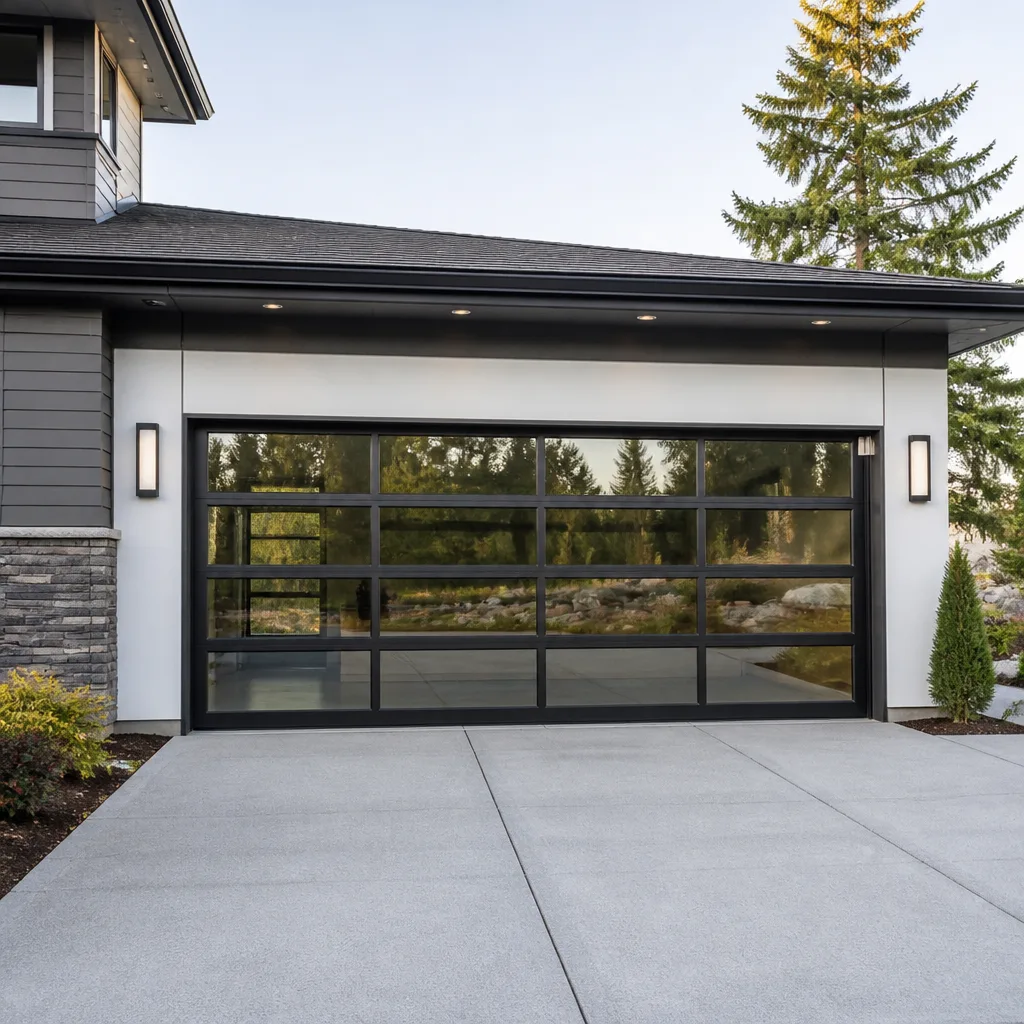 Full-view glass
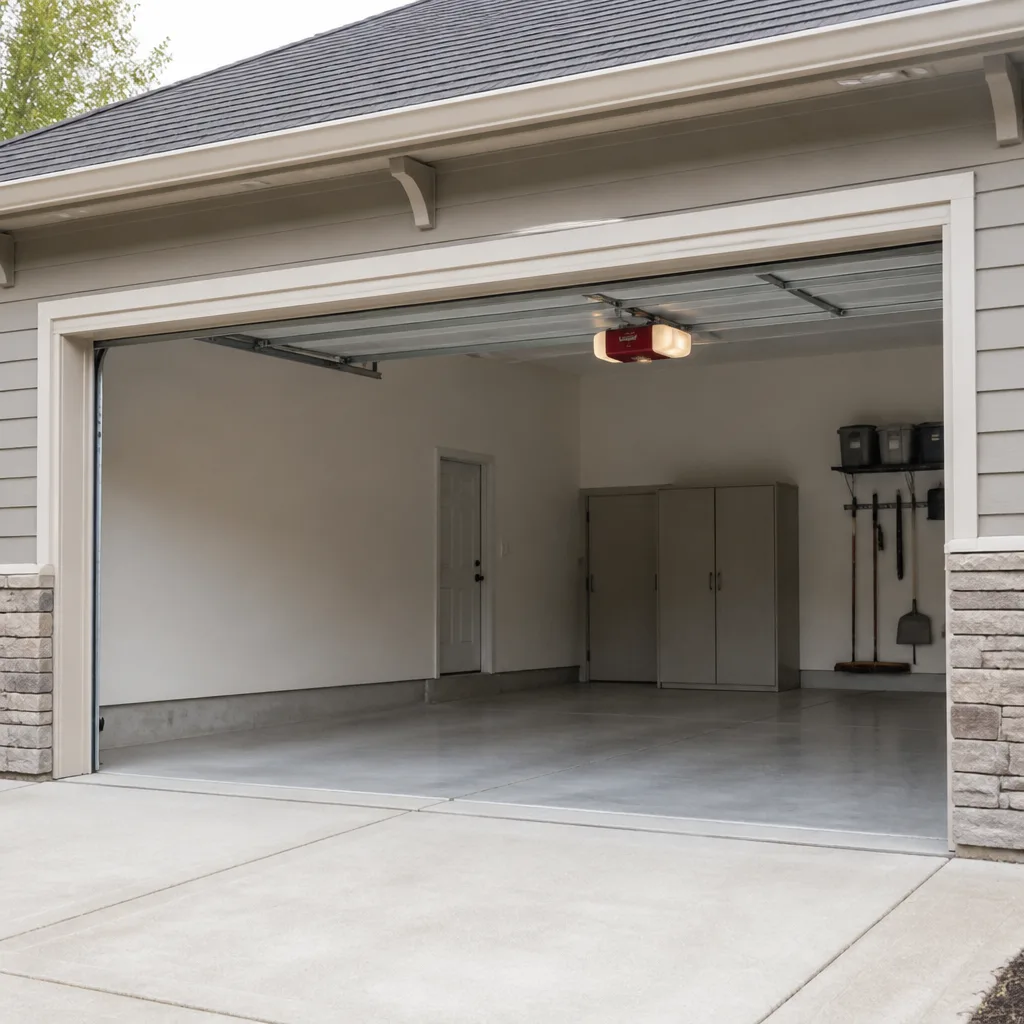 LiftMaster openers
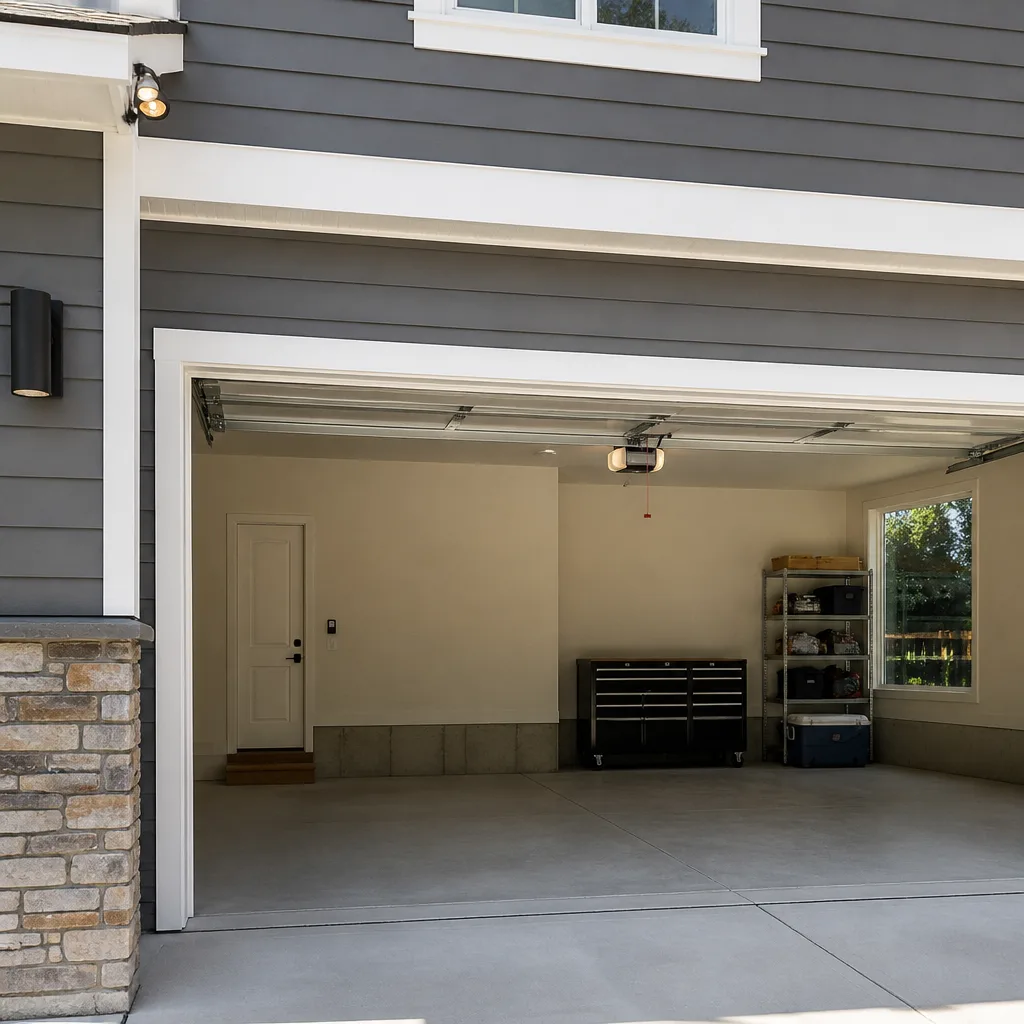 Chamberlain openers
Full 25-point door and opener safety check with every visit - springs, cables, rollers, tracks, and your LiftMaster or Chamberlain opener included
You get a price before we start. It does not change when the pro arrives.
Get your free estimateHow to Hire a Garage Door Contractor in Greenwich: A Step-by-Step Guide
Most homeowners in Greenwich hire a garage door contractor the same way they’d hire anyone else: they search, they call the first number, they accept the price. That works for a squeaky hinge. It doesn’t work for a door that weighs a few hundred pounds and hangs over the family cars on a high-tension spring system. The hiring decision matters more here than almost anywhere else in the house, and the three things that actually separate a legitimate specialist from a price-low, upsell-later operation rarely show up in generic hiring guides. This one covers them, plus the Connecticut licensing question nobody explains clearly, the contract clauses worth insisting on, and the red flags that show up specifically in the Greenwich market.
Quick Answer
Hiring a garage door contractor in Greenwich comes down to three checks: confirm the person doing the work is specifically trained on garage door systems (not a general handyman), get a written itemized quote with a clear warranty on both parts and labor, and verify the paperwork before anyone touches the door. Connecticut doesn’t have a stand-alone garage door license, so the burden of vetting falls on you. Ask for proof of insurance, ask what brand-specific training the technician has, and never agree to work on a door that hasn’t been quoted in writing.
Styles & brands we work with
- Raised-panel steel
- Carriage house
- Modern flush
- Full-view glass
- LiftMaster openers
- Chamberlain openers
Table of Contents
- What Connecticut’s licensing structure covers (and doesn’t) for garage door work
- The three checks that separate a specialist from a price-low operation
- How to read a garage door quote line by line
- The three contract clauses that protect you if the repair fails
- Questions that reveal real brand-specific training
- Why spring work demands a trained professional (and what that looks like)
- Red flags specific to the Greenwich market
- Common mistakes to avoid
- When to call a professional
What Connecticut’s Licensing Structure Actually Covers (And Doesn’t) For Garage Door Work
Here’s the part most hiring guides skip: Connecticut does not issue a dedicated garage door contractor license. There’s no state exam you pass specifically to work on torsion springs, no garage-door-specific credential issued by the state. What exists is the Home Improvement Contractor registration through the state Department of Consumer Protection, which applies to contractors doing residential work above a certain dollar threshold, plus standard business registration and insurance requirements.
What that means in plain terms: a person who registers as a home improvement contractor can legally knock on your door in Greenwich and offer to fix your garage door. The registration confirms they’ve filed with the state and carry the required insurance. It does not confirm they’ve ever correctly tensioned a spring, matched a torsion bar to a door weight, or worked on a LiftMaster opener with a modern safety reverse system. The credential is a floor, not a ceiling.
So when you’re vetting a contractor in Greenwich, treat the state registration as step one, not the whole check:
- Home Improvement Contractor registration – ask for the registration number and confirm it’s active with the state Department of Consumer Protection. Any legitimate contractor will hand this over without hesitation.
- General liability insurance – ask for a certificate of insurance. This protects your property if something goes wrong on the job.
- Workers’ compensation coverage – if the contractor brings helpers, you want them covered. If someone gets injured on your property without workers’ comp, the situation gets complicated fast.
- Trade-specific training – this is the gap the state doesn’t fill. Ask directly what training the technician has on garage door systems and which brands. The answer should be specific.
In our experience, the contractors who resist showing paperwork are the same ones who quote suspiciously low and find “additional problems” once the door is apart. The paperwork check is quick. Do it before the appointment, not after.
The Three Checks That Separate a Specialist From a Price-Low Operation
Most hiring advice for home services is generic: check reviews, get three quotes, don’t pay upfront. That’s fine as far as it goes, but it doesn’t tell you anything about garage doors specifically. In our experience, three factors separate the specialists from the price-low operators, and none of them show up in the usual advice.
Check 1: Brand-Specific Training, Not Just General Mechanical Ability
Garage door systems vary meaningfully across manufacturers. A technician who’s fluent in Wayne Dalton torsion systems and LiftMaster openers reads the door and the operator as a matched system, not two separate parts. They know how a Craftsman opener’s travel limits and force settings respond to a door that’s off balance, and they know when a Raynor panel profile means a part swap rather than a door replacement. General mechanical ability is fine for a squeaky roller. It’s not sufficient for a spring replacement or an opener that’s throwing codes.
Check 2: A Written, Itemized Quote Before Any Work
The price should be agreed before the technician picks up a wrench. Not “around $400, we’ll see.” Itemized: parts line, labor line, disposal or haul-away if applicable, warranty terms. If it isn’t written down, it isn’t agreed. A one-line quote that says “spring replacement: $X” is a red flag, because it gives you no way to see whether the labor is low and the parts markup is inflated, or vice versa.
Check 3: A Real Warranty on Both Parts and Labor
Parts warranties are easy to offer because the manufacturer backs them. Labor warranties are where you learn something. A contractor confident in their work will put a labor warranty in writing. One who won’t is telling you exactly how much faith they have in the repair lasting.
Those three checks won’t tell you everything, but they filter out most of the price-low, upsell-later operations. When we send a technician to a Greenwich home for garage door repair, those are the same three things we expect the homeowner to ask about, and we’re glad when they do.
How to Read a Garage Door Quote Line by Line
A garage door quote is a small document with a lot of information packed into it, and how the numbers are structured tells you as much about the contractor as the totals do. Here’s how to read one without getting lost.
The line items to expect
- Parts – should name the specific part, its brand if relevant, and its quantity. “Spring, one, sized to door weight” is specific. “Spring kit” is not.
- Labor – should reflect the actual time and complexity. Spring replacement on a single door is a discrete job; a full opener replacement with new wiring is a different job. The labor line should match what you’ve asked for.
- Diagnostic or service call fee – should be disclosed up front. In Greenwich, service call fees commonly sit in the $150 – $300 range depending on the contractor and the scope of diagnosis. That fee should be stated before the appointment.
- Haul-away or disposal – if a door, opener, or spring is being removed, ask whether disposal is included or billed separately.
- Warranty terms – should name what’s covered, for how long, and whether it covers parts, labor, or both.
Spotting the low-ball labor / inflated parts pattern
One pattern worth watching for: a quote where the labor looks unusually cheap and the parts look unusually expensive. The total might land in a normal range, but the structure tells you something. When labor is discounted, the technician’s incentive shifts toward finding more parts to replace. When parts are marked up heavily, the contractor has a reason to recommend replacement over repair even when a repair would hold.
Run the check like this: ask for a breakdown of parts cost versus labor cost, and ask what the typical range is for that specific job in the Greenwich area. A straightforward contractor will answer quickly. One who dodges the question is telling you the answer is uncomfortable.
The Three Contract Clauses That Protect You If a Spring Fails Again
Springs fail. That’s the nature of a high-cycle-count component under constant tension. What you want is a contract that anticipates a failure and tells you who’s responsible. Three clauses to look for:
- A written labor warranty with a stated duration. Not “warranted” as a standalone word. A number: 30 days, 90 days, one year. The duration matters less than the existence of a specific commitment. A spring that fails 60 days after replacement should be covered by the labor warranty. If the warranty is silent or vague, ask for it in writing before work begins.
- A parts warranty that names the manufacturer and the covered component. Spring manufacturers warranty their springs for a stated cycle life. The contract should name which spring was installed and what the manufacturer warranty is. If a replacement spring fails within that window and the installer won’t honor the labor, you at least know where the parts claim sits.
- A clause confirming the price is final. In writing: the quoted price is the price, and no additional work will be performed or billed without your written approval. This one clause heads off the most common garage door complaint. A technician who discovers a genuine additional problem should stop, explain, requote, and get written approval. A technician who “just goes ahead” and bills for it later is telling you where the contract really stands.
Ask for those three clauses explicitly. Any contractor who pushes back (“we don’t really do that, but we’re honest”) has just told you something useful. The answer you want is a plain yes, in writing.
Questions That Reveal Whether a Technician Has Real Brand-Specific Training
Anyone can claim to “work on all brands.” The questions below get past the claim and into actual capability. Ask them on the phone before booking, and listen for specific answers rather than general ones.
The technician-training questions
- “What brand-specific training does the technician who’ll do my job have?” – A generalist will answer “we work on everything.” A specialist will name specific training or specific brands.
- “How do you size a torsion spring to a door?” – The answer should reference door weight and cycle life, not guesswork.
- “Can you service my existing opener, or do you recommend replacement?” – A brand-agnostic answer that leans toward repair where repair is viable is the right one. An answer that jumps straight to replacement is a sales answer.
- “Have you worked on a [specific brand] system like mine?” – Substitute your actual brand. A meaningful answer will reference a specific model or model family.
- “What’s your diagnostic process when a door won’t open?” – A specialist lists steps: check the opener’s error codes, check the safety sensors, check the balance, check the spring tension. A generalist says “we’ll take a look.”
One more: ask whether the contractor’s technicians are trained across the major brands or whether they’re trained on a narrower set. Any make, any model is a different commitment than the majors-only approach, and both are defensible if the answers are specific. What you’re catching is the contractor who says yes to everything without being able to name a single training path.
Why Spring Work Demands a Trained Professional (And What That Looks Like From Your Side)
A torsion spring holds a door that weighs hundreds of pounds against gravity using stored mechanical energy. When it’s under tension, it will kill or seriously injure anyone who mishandles the adjustment. This is not a job for a homeowner, and it’s not a job for a general handyman who’s watched a video. We handle the spring so you don’t have to. That’s a safety line, not a marketing one.
What a proper spring job looks like from your side
- The technician identifies the door’s weight class and confirms the spring currently installed.
- They match a replacement spring to the door weight and expected cycle count. Not every spring fits every door, and a spring that’s too weak or too strong will fail prematurely.
- The door is secured, tension is released in a controlled way, and the spring is removed with the proper winding bars and technique.
- The new spring is installed, wound to the manufacturer’s specified number of turns, and the door is balanced and tested.
- The safety reverse and opener settings are tested with the door in motion, and any adjustments are made to the opener’s travel limits.
The whole point of a trained technician is the invisible part: they know what a properly tensioned spring feels like, they know what a door that’s slightly out of balance looks like at the halfway mark, and they stop the job if something doesn’t feel right. If you need garage door spring repair, that’s the standard to hold the contractor to. A single spring replacement typically runs $180 – $340 in the Greenwich area depending on spring type and door weight, and a matched pair replaced together typically runs about twice that. If a contractor quotes one range for both, ask which it is.
Red Flags Specific to the Greenwich Market
Greenwich has a few market characteristics that shape what a red flag looks like. It’s a high-price market with a lot of high-end homes, which attracts contractors from outside the area looking for a bigger ticket. Short version: the flags here aren’t always the same as they’d be in a working-class suburb.
The Greenwich-specific list
- Out-of-state plates and no local footprint. A van registered in New York or New Jersey isn’t automatically a problem. What matters is whether the contractor can produce a Connecticut Home Improvement Contractor registration and shows any evidence of operating in the Greenwich market regularly. If neither, ask why they’re here.
- No local reviews or references. Reviews aren’t everything, but a contractor who regularly works in Greenwich will have some evidence of past Greenwich jobs. Ask for a recent local reference.
- Pressure to decide same day. The most revealing red flag. “We can do it today but only if you sign now” is a sales technique, not a service. A reputable contractor will let you think about it, and will put the quote in writing so you can compare.
- Quotes that never touch the door. A quote given without seeing the door, weighing it, or checking the spring is a guess, not an estimate. Push for an on-site quote for anything beyond a simple opener adjustment.
- “We recommend replacing the door” without a real explanation. Replacement is the right call in some cases. But a door that just needs a spring and a tune-up isn’t a replacement candidate, and a contractor who pitches replacement on the first visit is telling you what their business model is.
None of these is a guarantee of a bad outcome. Together, they filter out most of the contractors you don’t want on a Greenwich job. When we send a technician for garage door opener repair, we expect the homeowner to have asked the same questions of our competitors, and we’re glad they did.
Common Mistakes to Avoid
- Skipping the paperwork check. Handing a contractor cash for a spring replacement without confirming their Home Improvement registration and insurance is the single most common mistake. Two minutes of checking prevents most of the horror stories.
- Accepting a phone-quote for a spring job. Springs are matched to door weight and cycle count, which means the quote should reflect the actual door. A phone quote without a door weight check is a guess dressed up as a price.
- Paying in full upfront. A deposit is standard. Full payment before the work is finished leaves you with no leverage if something goes wrong. Pay on completion, with a written invoice that shows what was done.
- Ignoring a labor warranty. A parts warranty is easy; a labor warranty is what you actually want. If the contractor won’t put one in writing, the repair isn’t warrantied in any meaningful sense.
- Replacing a door that only needs a spring or opener. Replacement is a big-ticket decision, and a contractor who jumps there on the first visit is telling you about their incentive structure. Get a second opinion if replacement is the first recommendation.
- Letting a handyman touch the torsion spring. Springs under tension are genuinely dangerous. A handyman without specific garage door training is gambling with your safety and their own. No exception to this one.
- Hiring on price alone. The lowest quote is often the lowest for a reason: it’s a labor-light, parts-heavy structure that leads to unnecessary replacement. Get the itemized breakdown before comparing totals.
See the difference
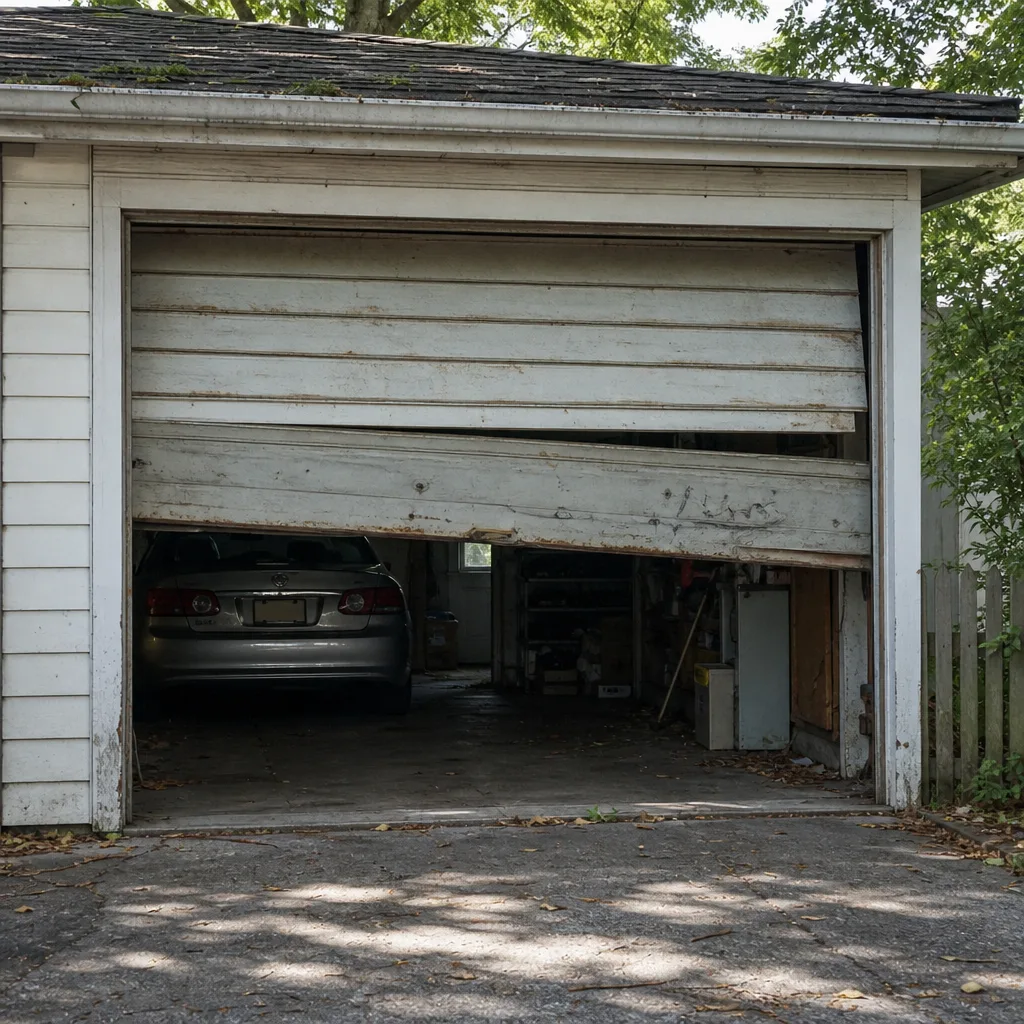 Before
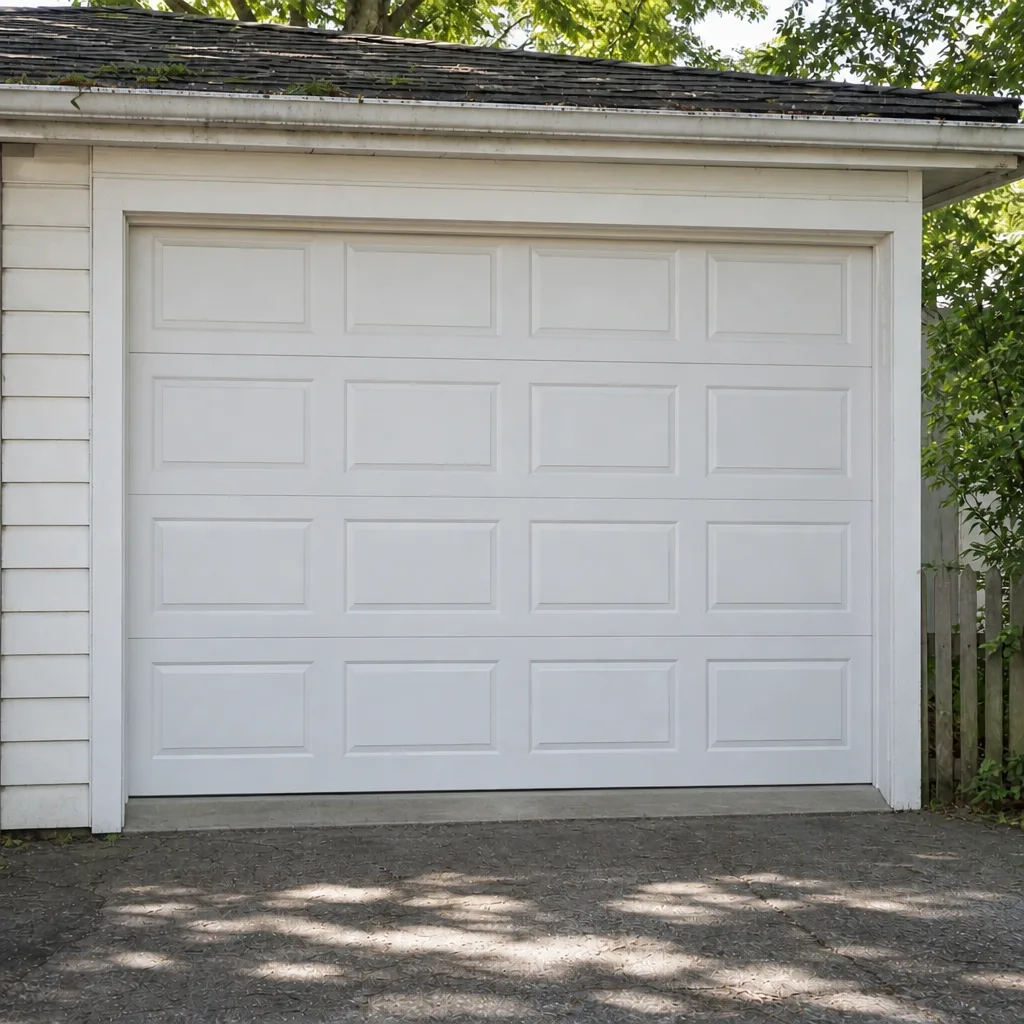 After
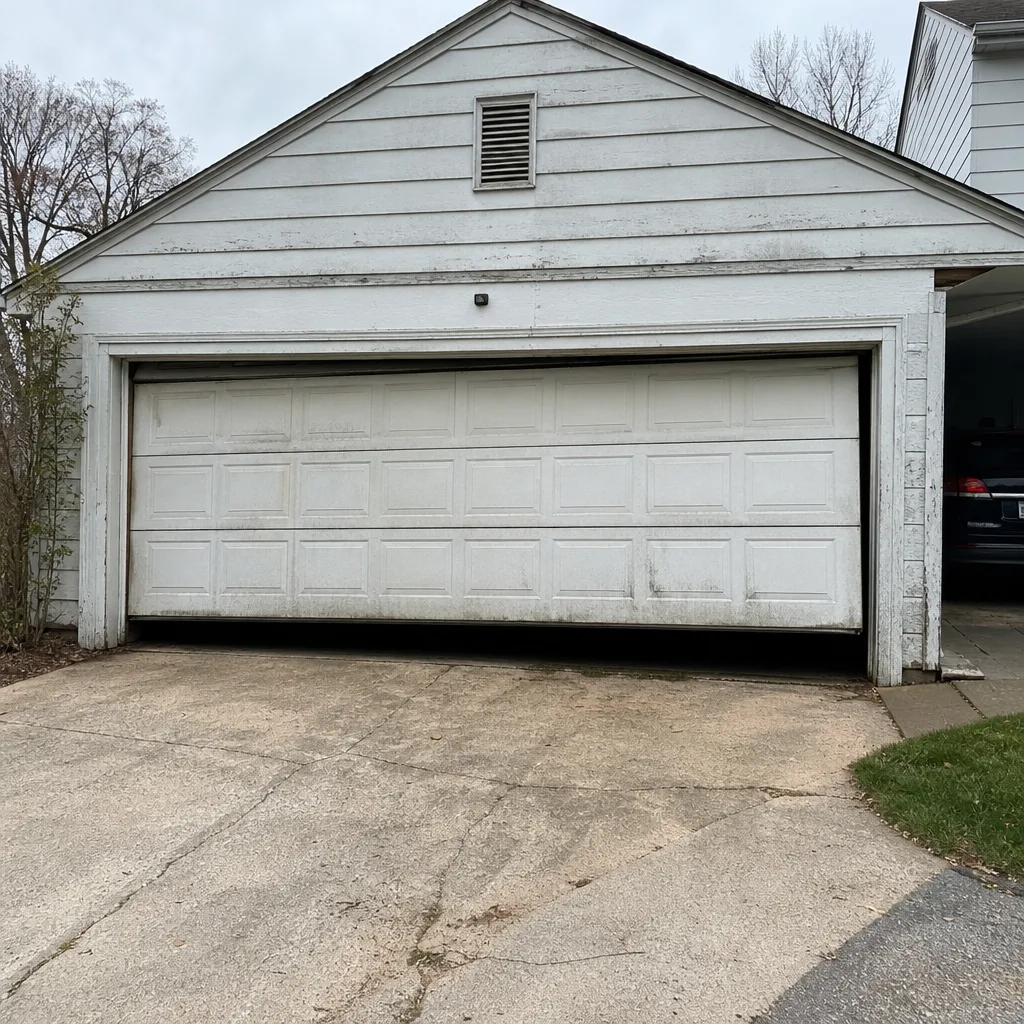 Before
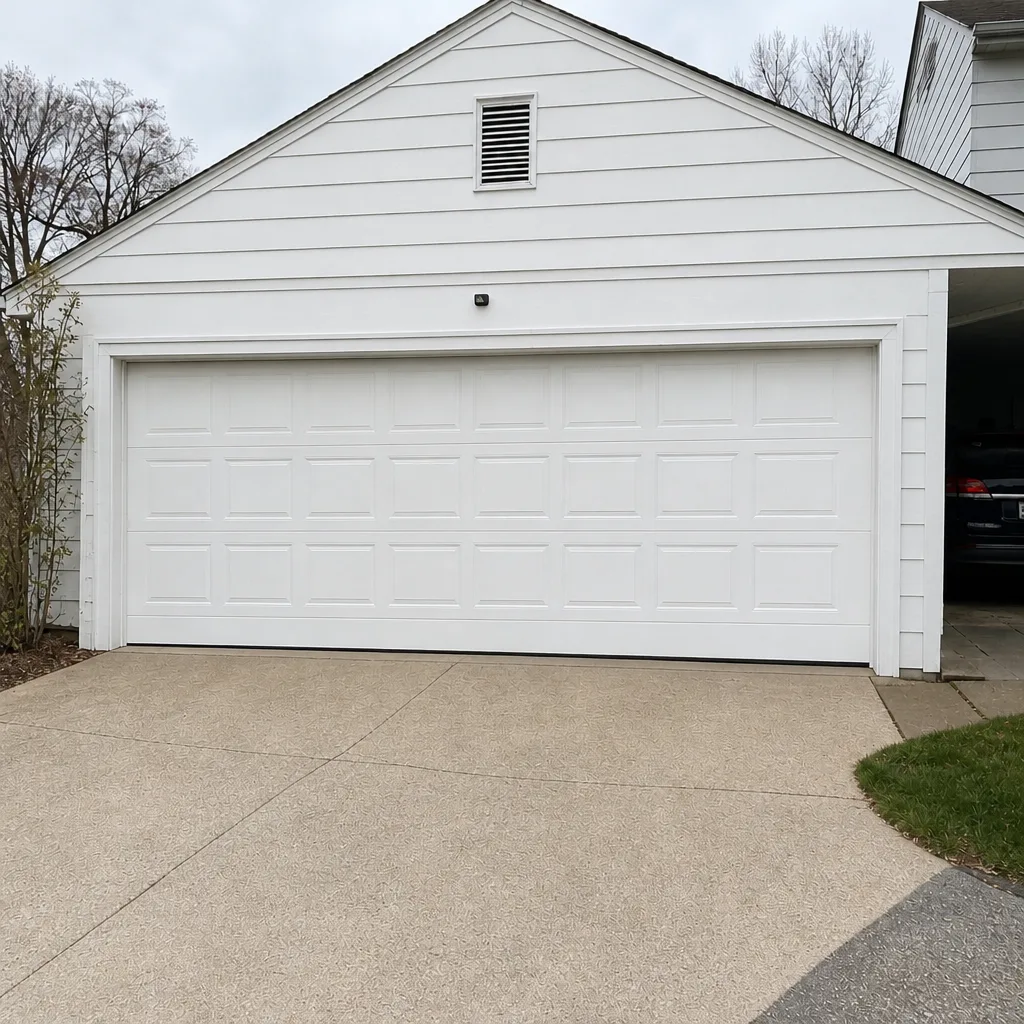 After
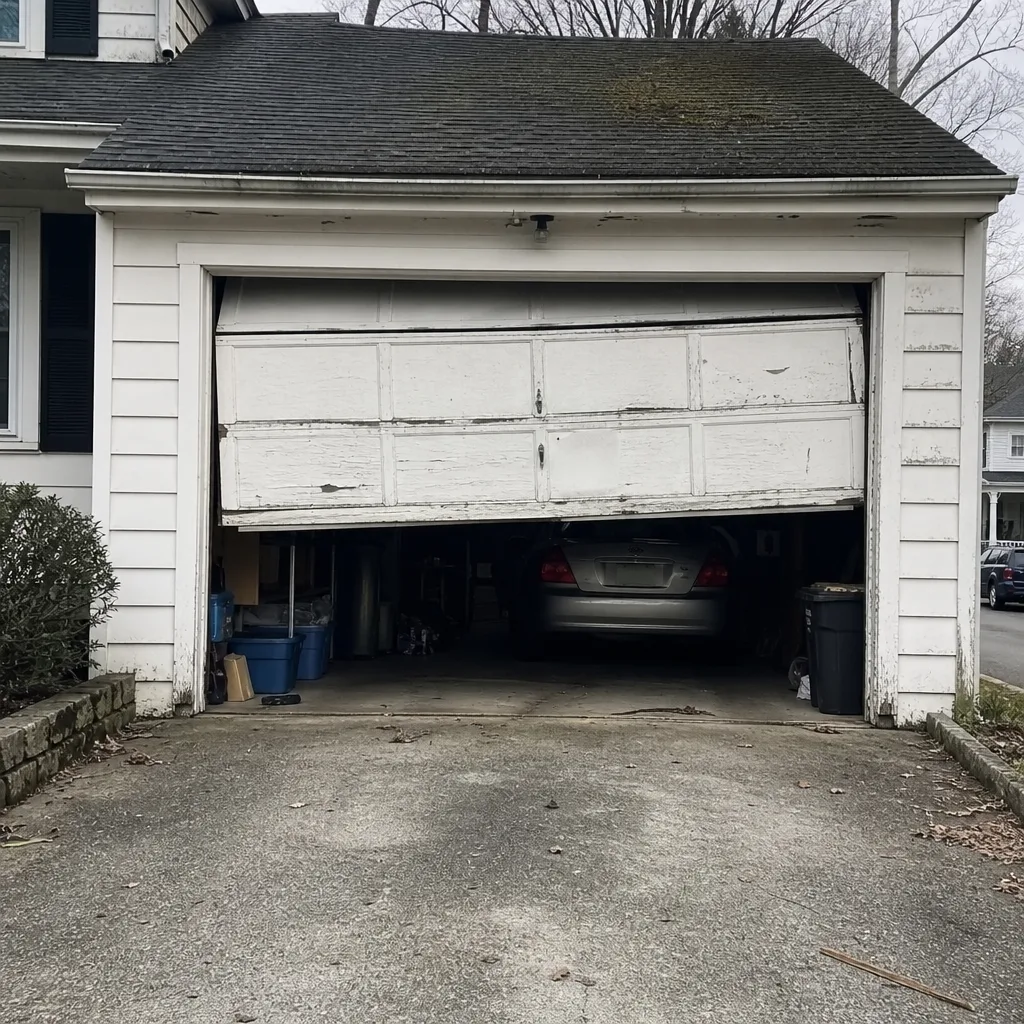 Before
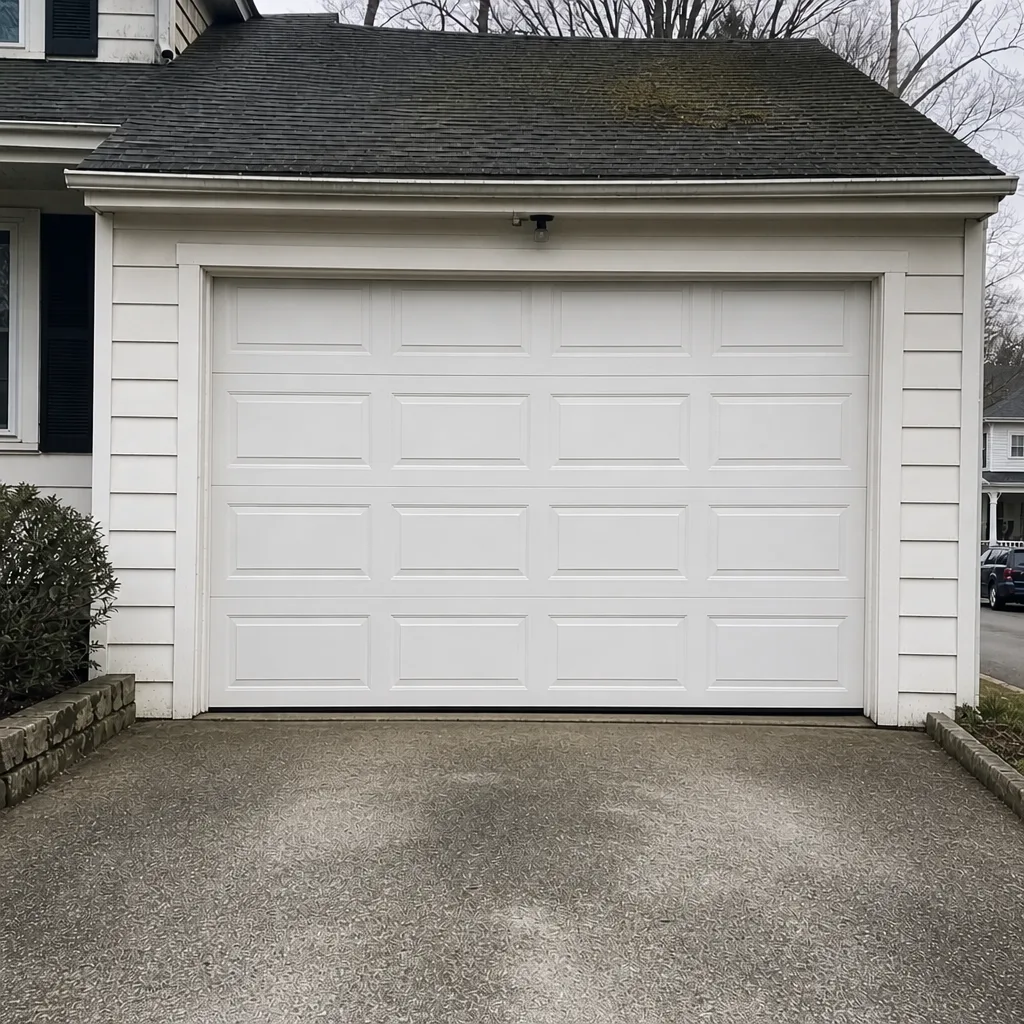 After
When to Call a Professional
Some garage door issues are genuinely DIY-friendly: a squeaky roller, a battery swap in the opener remote, a visual check of the safety sensors. Everything else should go to a trained professional. Call us when the door won’t open or close at all, when the door is visibly crooked or off its tracks, when the spring has snapped (the door will feel unusually heavy on the manual release and you’ll hear the snap), when the opener runs but the door doesn’t move, when the door reverses for no obvious reason, or when the opener’s lights are flashing an error code you don’t recognize. Any of those points to a component under tension or a control board issue that a trained technician can diagnose quickly. Greenwich Garage Door Repair Pros offers free estimates in Greenwich. Call (855) 337-1759. We connect you with vetted local professionals who carry the training and paperwork to do the job safely.
Frequently Asked Questions
Connecticut doesn’t have a stand-alone garage door contractor license. What the state does require is Home Improvement Contractor registration through the Department of Consumer Protection for residential work above a certain dollar threshold, plus general liability insurance and workers’ compensation if the contractor has employees. Treat the registration as a baseline check, not a complete credential, and ask directly about the technician’s training on garage door systems before booking. Call (855) 337-1759 for an exact quote on your job – estimates are free.
Typical ranges in the Greenwich area run $150 – $300 for a service call and diagnostic before parts, with a single spring replacement commonly in the $180 – $340 range and a matched pair of springs at about twice the single-spring price. Full panel replacement and full door installation are quoted per job after an on-site measurement. The written estimate sets the final price, and the price is agreed before work begins. Call (855) 337-1759 for a free estimate on your specific door.
Ask what brand-specific training the technician has and what process they follow when a door won’t open. A specialist will name specific brands (LiftMaster, Wayne Dalton, Craftsman, Raynor, and others) and describe a real diagnostic sequence: opener error codes, safety sensors, door balance, spring tension. A generalist will say “we’ll take a look.” The answer to those two questions tells you more than any review or rating.
An itemized quote should include the specific parts (by name and quantity), the labor line, any diagnostic or service call fee, disposal or haul-away if applicable, and the warranty terms for both parts and labor. It should also state that the price is final and that no additional work will be billed without your written approval. If the quote is a single total with no breakdown, ask for one. Call (855) 337-1759 for an itemized written estimate.
The specific red flags to watch for in Greenwich: out-of-state plates and no evidence of operating locally, no local reviews or references, pressure to decide same-day, a quote given without seeing the door, and a recommendation to replace the door on the first visit without a clear explanation. Any one of those on its own is worth a second look. Two or more together and you should call someone else.
In many cases, yes. Spring replacement is a discrete job that a trained technician can complete in a single visit once the correct spring is matched to the door’s weight and cycle count. That’s the reason Greenwich Garage Door Repair Pros keeps spring repair on the service menu and treats it as a priority call. Whether a same-day repair is possible for your specific door depends on the spring type and the technician’s availability. Call (855) 337-1759 with your door’s details and we can tell you what’s realistic for your situation.
The Bottom Line
Hiring a garage door contractor in Greenwich comes down to three things: paperwork you can verify, training that’s specific rather than general, and a written quote with a labor warranty before anyone touches the door. Everything else is secondary. Connecticut doesn’t license garage door work specifically, so the burden of vetting is yours – which is exactly why the three checks in this guide matter so much. Our technicians have up to 15 years of experience, and we’re trained on the major brands that come up on Greenwich doors. When you’re ready to book, call (855) 337-1759 for a free estimate and a written quote.
Written by the team at Greenwich Garage Door Repair Pros.