Last updated November 23, 2026
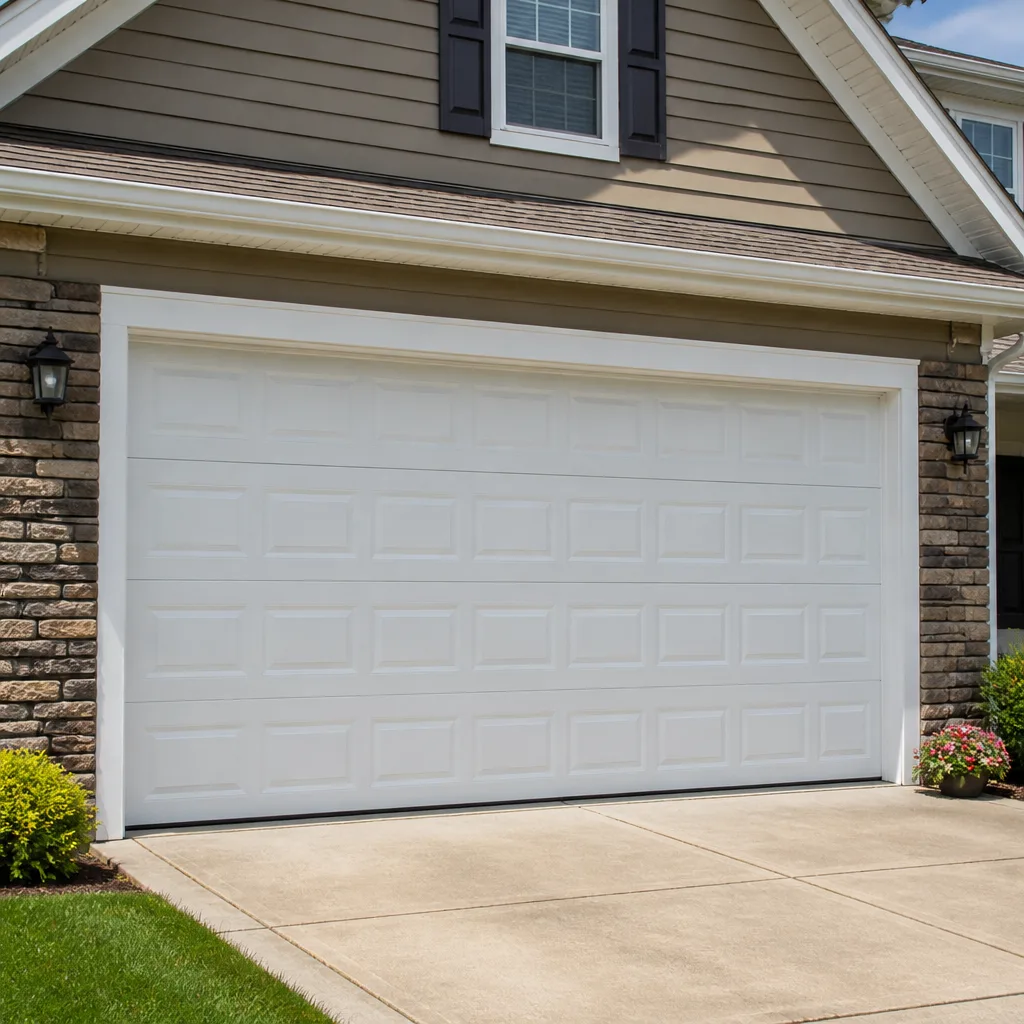 Raised-panel steel
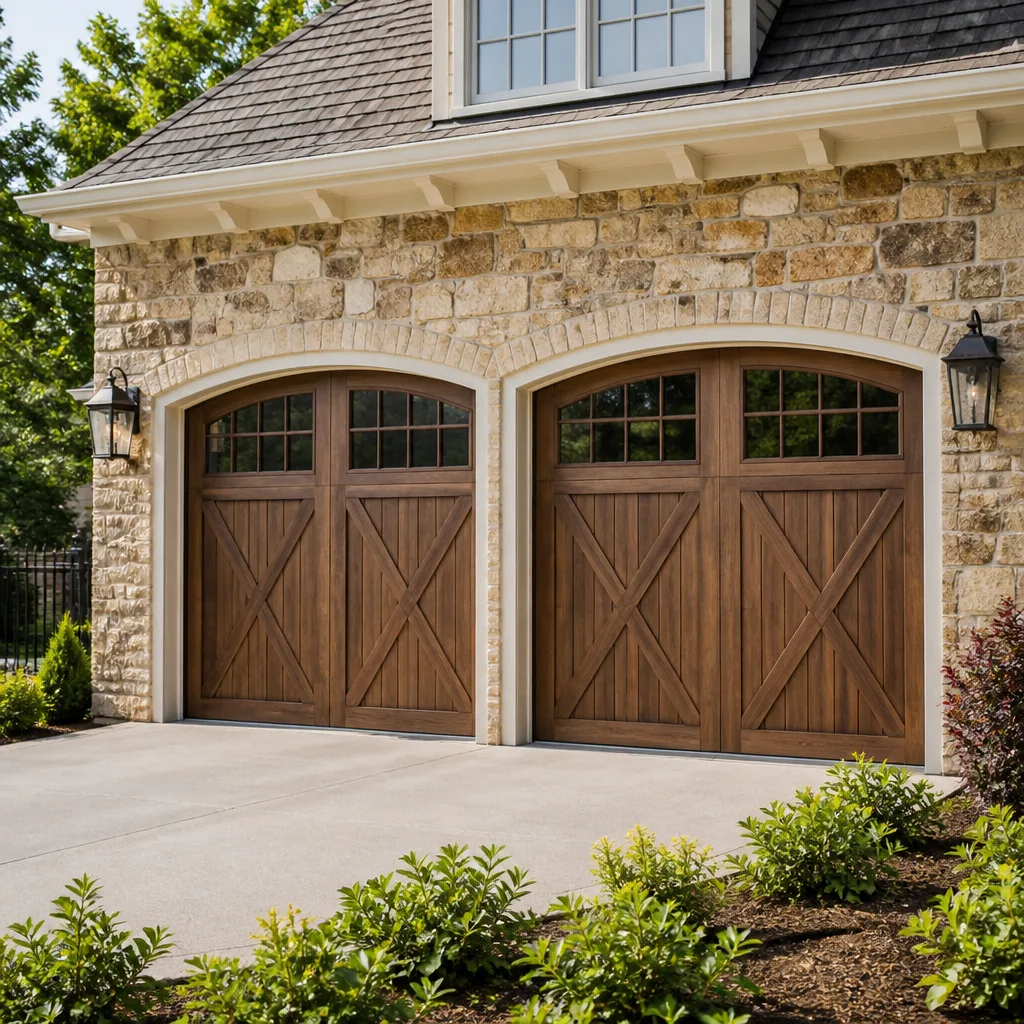 Carriage house
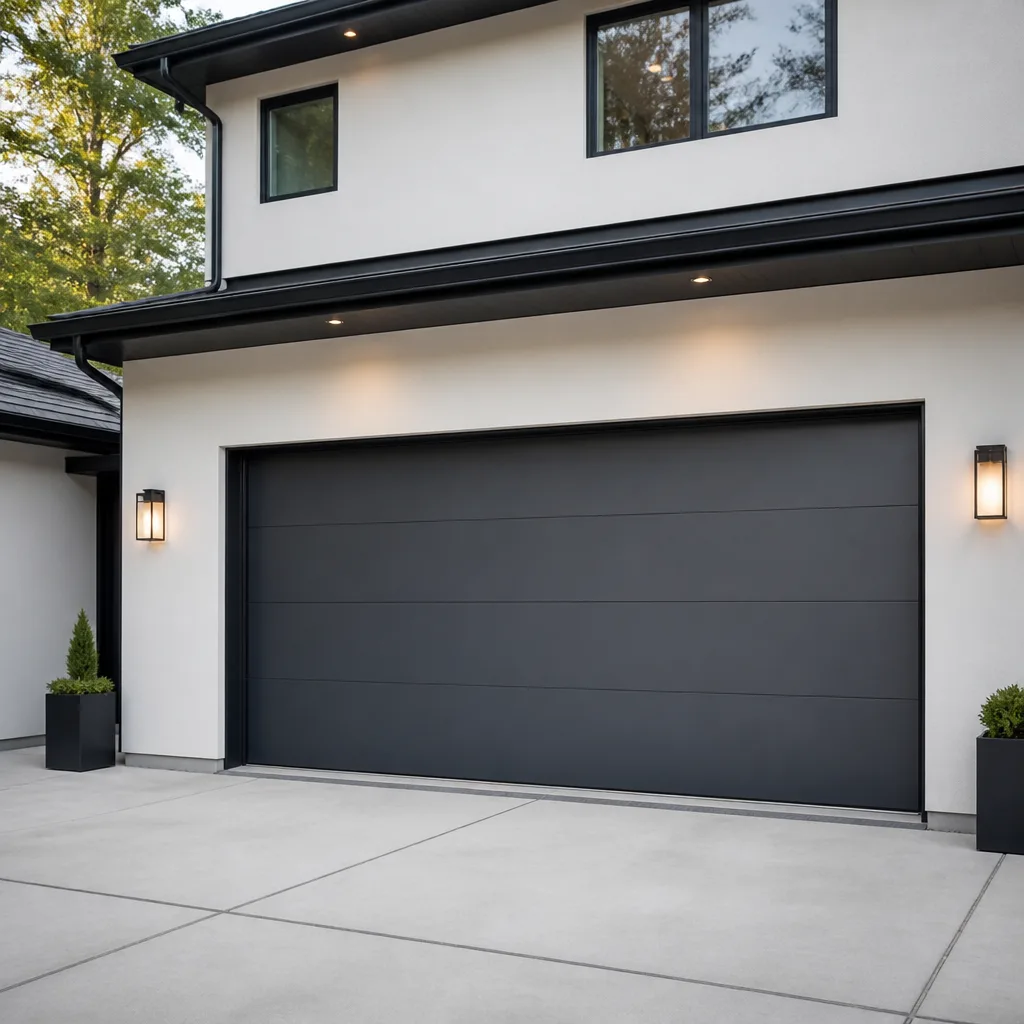 Modern flush
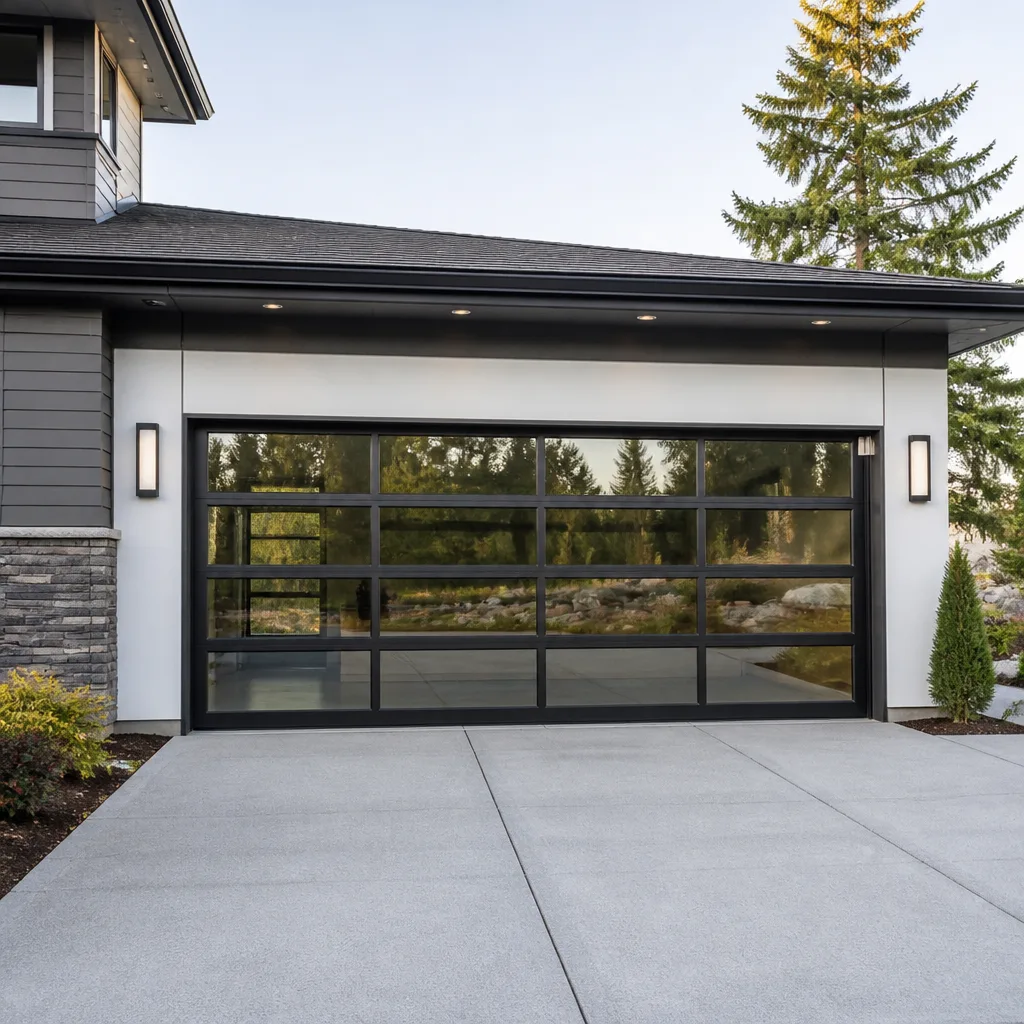 Full-view glass
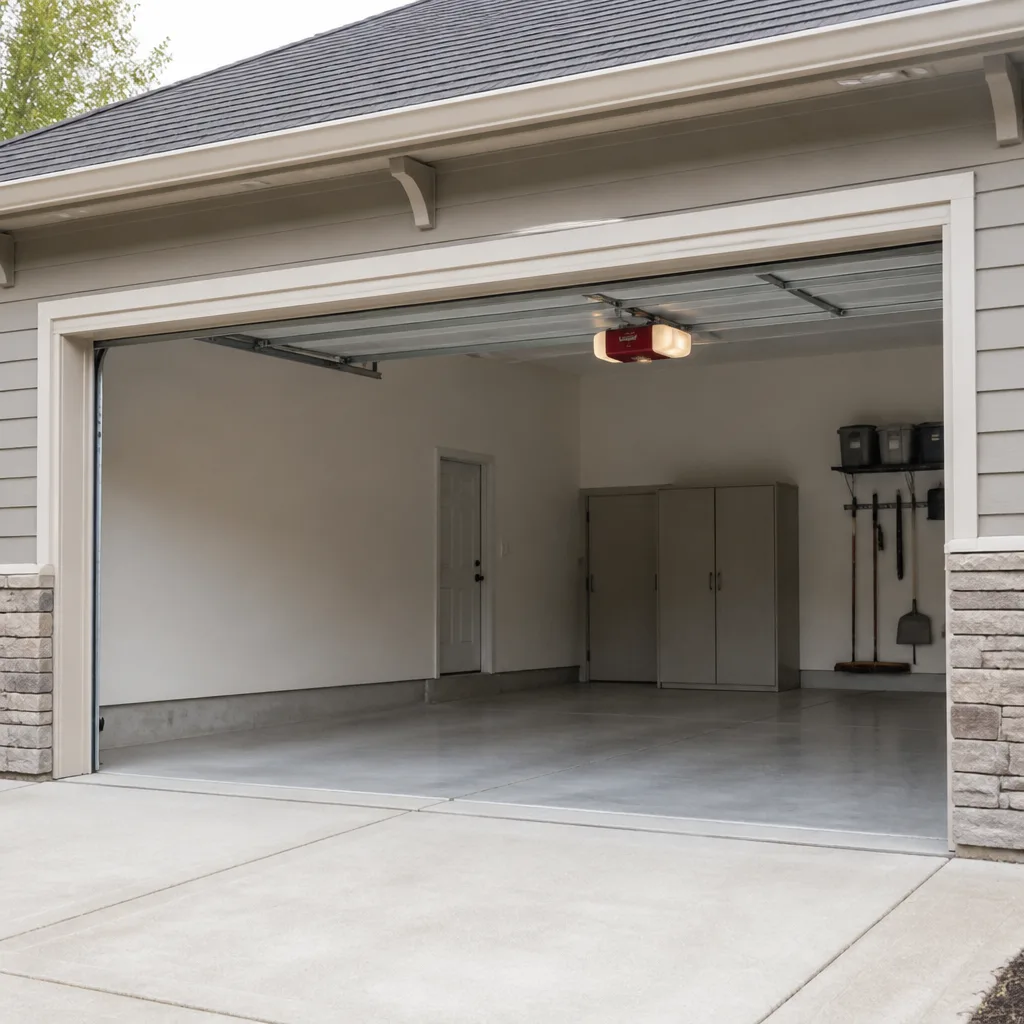 LiftMaster openers
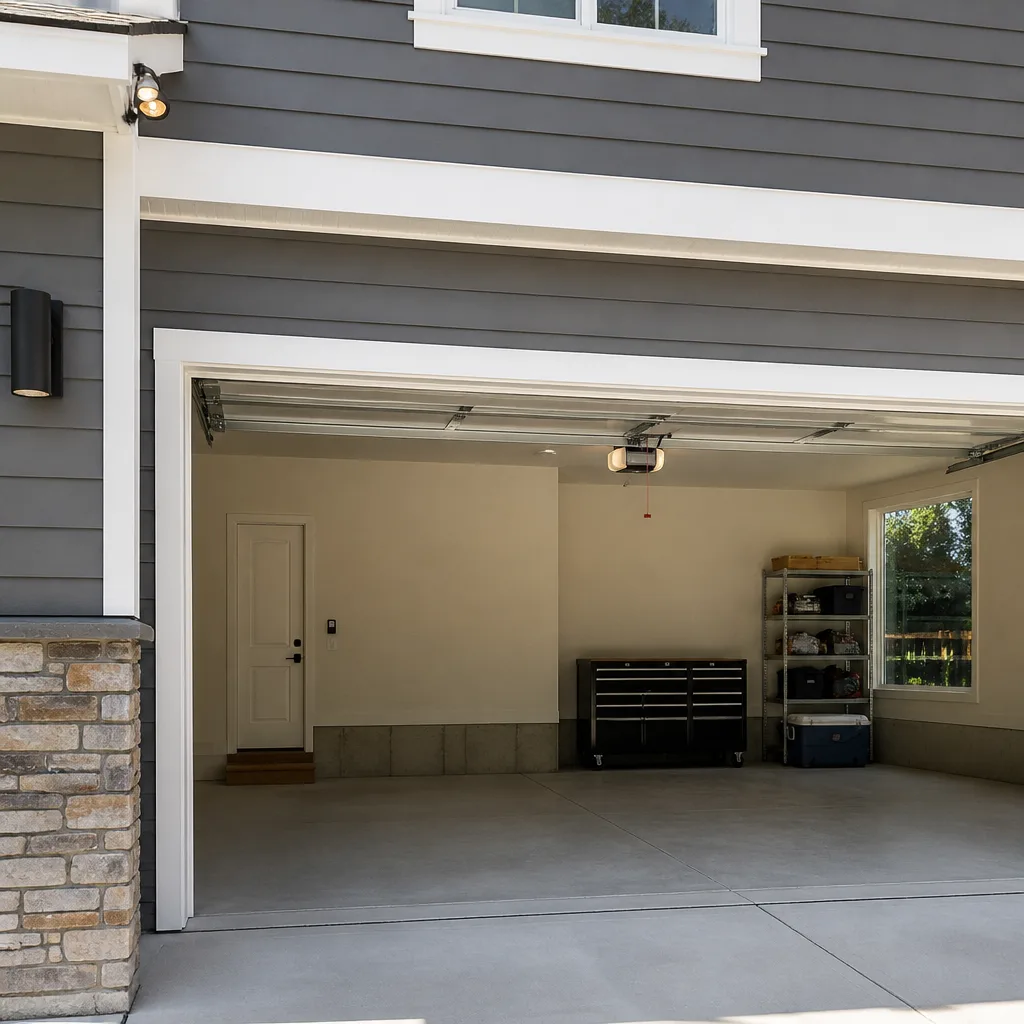 Chamberlain openers
Full 25-point door and opener safety check with every visit - springs, cables, rollers, tracks, and your LiftMaster or Chamberlain opener included
You get a price before we start. It does not change when the pro arrives.
Get your free estimateGarage Door Repair Troubleshooting in Greenwich: Common Problems and How to Fix Them
Most garage door failures follow one of five diagnosable paths, and figuring out which one you’re on takes ten minutes. The trouble is that a misdiagnosed problem makes itself worse: adjusting the wrong part, or tightening a track that was never out of line, can turn a small sensor issue into a real hardware job. We’ve watched plenty of Greenwich homeowners start with a screwdriver and end with a phone call. So instead of a list of symptoms with a fix slapped on each, we’re giving you a diagnostic tree. Read it, match your door’s behavior to a category, and you’ll know exactly which side of the line you’re standing on – the safe-to-try side, or the put-the-tools-down-and-call side.
Quick Answer
Garage door troubleshooting starts with separating door problems from opener problems: if the door is hard to lift by hand with the opener released, the issue is hardware (springs, cables, tracks, rollers), and if the door lifts easily but the opener won’t move it, the issue is the opener. Sensor alignment, remote batteries, and the manual release are safe for most homeowners to handle. Springs, cables, and cable drums carry serious injury risk and should go to a trained technician.
Styles & brands we work with
- Raised-panel steel
- Carriage house
- Modern flush
- Full-view glass
- LiftMaster openers
- Chamberlain openers
Table of Contents
- The Symptom-First Diagnostic Tree: Match the Behavior to the Cause
- Door or Opener? The Hand-Test That Tells You
- Fixes You Can Safely Do Yourself
- Fixes You Should Never Attempt at Home
- How Greenwich Conditions Shorten Door Life
- What Garage Door Repairs Cost in Greenwich
- Stopping Criteria: When to Stop Turning Wrenches
The Symptom-First Diagnostic Tree: Match the Behavior to the Cause
Every garage door complaint you can name maps to one of five categories. Find your symptom, read the likely cause, and note whether it’s a door-side or opener-side issue. That single distinction saves most Greenwich homeowners from buying the wrong part.
- Grinding or screeching while the door moves. This is almost always a dry or worn roller, a bent track section, or a torsion tube running dry. It’s a hardware issue. Lubricating rollers and checking track alignment is a reasonable first move; replacing rollers or a bent rail is a technician call.
- The door reverses before it reaches the floor. On a modern opener, this is the safety reverse system – either a misaligned photo-eye or a close-force setting that’s too sensitive. It’s an opener issue. Sensor alignment and force adjustment are diagnosable and often fixable by a homeowner with a ladder.
- The door sags or hangs lower on one side. One side sagging means a stretched or broken spring on one side of a two-spring system, or a roller that’s popped out of the track. This can be a cable problem. Stop and read the safety section before touching anything.
- The opener runs but the door doesn’t move. Your opener is fine; the connection between it and the door is not. The trolley, the release cord, or a broken spring takes the load off the drive system. On a door with a broken spring, the opener motor runs without moving anything.
- The opener is dead – no sound, no light, no response. Check the outlet, the circuit breaker, and the wall control wiring before assuming the motor has failed. After that, it’s an electrical diagnostic.
Notice that three of the five categories are door-side and two are opener-side. That’s the split most guides gloss over. Our garage door repair team runs this same tree on every call, and it’s the reason we can usually tell over the phone whether you’re looking at a fifteen-minute adjustment or a hardware replacement.
Door or Opener? The Hand-Test That Tells You
The single most useful test in garage door troubleshooting takes two minutes and requires no tools. It separates the door and its hardware from the automatic opener.
- Close the door fully.
- Pull the manual release cord to disconnect the door from the opener trolley.
- Lift the door by hand, slowly, to about waist height.
- Let go while holding it, and see what happens.
If the door lifts with moderate effort – one hand, steady pull, no struggle – and holds roughly where you left it, your springs and balance are healthy. That means the problem is in the opener. Go back to the opener unit and work through its own diagnostics: photo-eye alignment, force settings, remote battery, wall control, and power supply. A LiftMaster or Chamberlain unit built in the last fifteen years will flash a diagnostic code on the motor housing that points to the exact component. Check the manual or the “any make, any model” opener work we do, and you’ll usually find a code table that translates the flashes into a specific fault.
If, on the other hand, the door is heavy, drops when you let go, or won’t hold at waist height, the problem is the door hardware, most often springs. Do not run the opener against a door in this state. The motor is trying to lift a door its springs were supposed to balance, and the strain goes straight into the opener’s drive gear and the door’s structural panels. In our experience, a door that’s been run for months on tired springs usually needs the springs replaced plus an opener repair that was avoidable. To have the balance checked before it gets that far, call garage door opener repair and ask for the hand-test with the opener released; you’ll find out in minutes whether the door is sound.
Fixes You Can Safely Do Yourself
These four repairs and adjustments carry essentially no injury risk, and most homeowners can do them with a stepladder, a screwdriver, and a phone flashlight. We tell every caller to start here before booking a visit.
- Photo-eye alignment. Two small sensors sit about six inches off the floor on either side of the door, each with an LED. If one LED is off or flashing, the beam is broken or out of alignment. Loosen the wing nut, aim the sensor’s LED at the other sensor until both glow steady, and tighten. Simple, common, and responsible for a huge share of “my door won’t close” calls.
- Remote battery and programming. A remote that works only when you’re close, or works intermittently, is usually a weak battery. Swap it and try again. If a new battery doesn’t fix it, check that the remote isn’t paired to a neighbor’s unit – all-too-common in dense Greenwich neighborhoods, and a re-pair takes ninety seconds.
- The manual release. Know where the red release cord is and how to pull it. If your door is stuck closed, the manual release gets you in by hand, and if you have to park outside for a night, you can at least secure the house.
- Track cleaning and roller lubrication. Wipe dust and grit off the vertical tracks with a damp cloth, then apply a light silicone spray to the rollers and the torsion tube (never a heavy grease – it attracts grit). If a grinding noise is coming from a dry roller or tube, lubrication often quiets it.
If the noise stops after lubrication, great. If it comes back within a week, the cause isn’t dryness – it’s wear. At that point it’s a hardware evaluation, not another can of lubricant. Any of the technicians we connect you with can check the bearings and rollers and report back before anything is recommended.
Fixes You Should Never Attempt at Home
This is the part that matters most, so we’re saying it plainly. Garage door springs and cables are under extreme tension and cause serious injury every year to people who tried to adjust or replace them without training. That’s not an exaggeration of a modest risk; it’s the reason spring repair is a specialist job.
- Torsion springs. A torsion spring above the door holds hundreds of pounds of wound energy. Loosening the wrong bolt or releasing the winding bars without a controlled procedure can throw the spring, the bars, or the door. A wound spring is not something to test with a screwdriver.
- Extension springs. The springs that run along the horizontal tracks on either side have the same stored energy, and if a cable or safety containment gives way while you’re near, the spring travels fast and hard. Replacement also means retensioning both springs to balance the door, which is a measurement-and-calibration job.
- Cables and cable drums. The cables are what actually hold the door’s weight to the springs. A cable that slips off its drum while your hands are near it can cut or crush. We don’t suggest homeowners touch cable tension, period.
- Safety containment hardware. Older extension-spring doors sometimes lack the safety cables or containment that keep a snapped spring from flying. Installing that containment properly means handling the spring, so it belongs to a trained technician.
We handle the spring so you don’t have to – that’s a phrase we use literally. Our garage door spring repair team is specifically trained on high-tension spring work, and our technicians have up to 15 years of experience across the makes and models you’ll find on Greenwich doors. A broken spring is a one-visit repair for us and a real hazard for the untrained.
How Greenwich Conditions Shorten Door Life
Garage doors last longer in some places than others. Greenwich sits in a climate of real freeze-thaw swing: cold winters, warm wet springs, and a ground that heaves and settles with the seasons. That cycle finds every weak point in a door and its mounting.
- Freeze-thaw moves the tracks. The track runs along the same concrete floor and frame that expand and contract with the seasons. A track that was square last summer can go slightly out of vertical after a hard winter, which shows up as a door that rubs, binds, or hesitates on one side. If your door worked fine all year and started catching as the temperature dropped, the first suspect is the track, not the opener.
- Cold weather stiffens the springs and the opener’s drive. A door that’s perfectly balanced in July can be sluggish in January if the springs are near the end of their life. Cold increases the effort needed and reduces the safety margin. Winter is when tired springs finally give out.
- Tree debris and drainage. Greenwich’s wooded lots and mature trees mean less sunlight and more grit. Foliage, seed pods, and runoff grit collect in the tracks and under the door, wearing the rollers and the bottom seal faster than in open settings.
- Age of neighborhood housing stock. Many Greenwich homes have garage doors installed decades ago. Old extension-spring systems, aging openers, and single-panel wood doors can all be brought current, and a lot of long-lived doors just need the hardware refreshed rather than replaced whole.
What we typically see is a door that limps along through the warm months and then fails in the first cold snap. That’s not coincidence; it’s the freeze-thaw cycle doing its work. A door that starts to bind in late fall is a door that wants a track-and-balance check before the weather gets cold enough to finish the job for you.
What Garage Door Repairs Cost in Greenwich
Garage door repair in Greenwich typically runs from about $110 for a sensor or adjustment call up to several hundred dollars for a spring or cable replacement, depending on the part and the door. The table below is a range of typical estimates, quoted per job. The written estimate you receive on site sets the final price, and no work starts until you’ve approved that written figure.
- Photo-eye or sensor repair/adjustment: $110 – $185
- Roller replacement (per roller, plus service): $95 – $150
- Track realignment or straightening: $120 – $220
- Single torsion spring replacement: $180 – $340
- Matched pair of torsion springs: $340 – $650
- Cable replacement (single side): $150 – $280
- Opener repair or board replacement: $150 – $400
A matched pair of springs is usually replaced together, so a pair costs roughly twice a single spring. We quote the pair when both springs are the same age, because replacing one and leaving the other usually means the second fails within months. Your written estimate always shows the components, both the parts and the labor, so you can see exactly what’s happening. Estimates are free, and we don’t move on any piece of the job until you’ve agreed to the number on the page.
Stopping Criteria: When to Stop Turning Wrenches
Good troubleshooting has a stop rule. Here’s ours: if you see, hear, or feel any of the following, put the tools down and stop. Further adjustment can make a repairable door into a replacement.
- A broken spring is visible. A spring with a clean break or a coil separated from the rest is done. Stop. Don’t run the opener.
- A cable is frayed, slack, or off its drum. Stop. Don’t move the door by hand or power.
- The door is hanging at an angle. One-side sag with the opener disconnected means the balance is compromised. Stop and call.
- You hear a sharp snap or bang from the door. That sound is a spring letting go. Stay clear of the door until a technician arrives.
- A track has separated from the frame or the ceiling. Structural fastening is a repair, not an adjustment.
- You’ve adjusted anything twice and the symptom persists. A recurring symptom means the cause is elsewhere. Stop guessing and have it diagnosed.
Every one of these situations is one we handle routinely. None of them is worth a finger, an eye, or a dropped door. We’d rather you called us and had a technician come out to assess than have you attempt the repair and arrive at the same place a week later with more damage to repair.
Common Mistakes to Avoid
- Running the opener on a broken spring. The opener motor runs on its own drive gear and chain; with no spring doing the lifting, that gear carries all the weight and the chain can strip. Two flips of the switch are usually enough to cause damage to the opener itself.
- Replacing one spring instead of the pair. Springs wear as a set. Installing a single new spring next to an old one stresses both and typically means a second service call within the year. A pair is the honest repair.
- Adjusting track bolts on a door with broken hardware underneath. Twisting the track to force a door to close when a cable or spring is gone pushes the door against the operator and can bend panels. Diagnose before adjusting.
- Greasing the tracks. Track surfaces roll, not slide; grease there attracts grit and clogs the roller, accelerating wear. Silicone spray on rollers and bearings, not on the track face.
- Treating an opener fault as a door fault. Buying a new opener when the problem was a misaligned photo-eye is money burned. Run the hand-test first.
- Letting a grinding noise ride for months. A worn roller or dry bearing is an inexpensive fix early on and a bent track or damaged panel if ignored. Noise is a warning, not a personality trait.
- Replacing the whole door when the hardware is the problem. Panels and doors outlast their springs and rollers. If the door itself is sound, repairs should be on the hardware, not the door.
See the difference
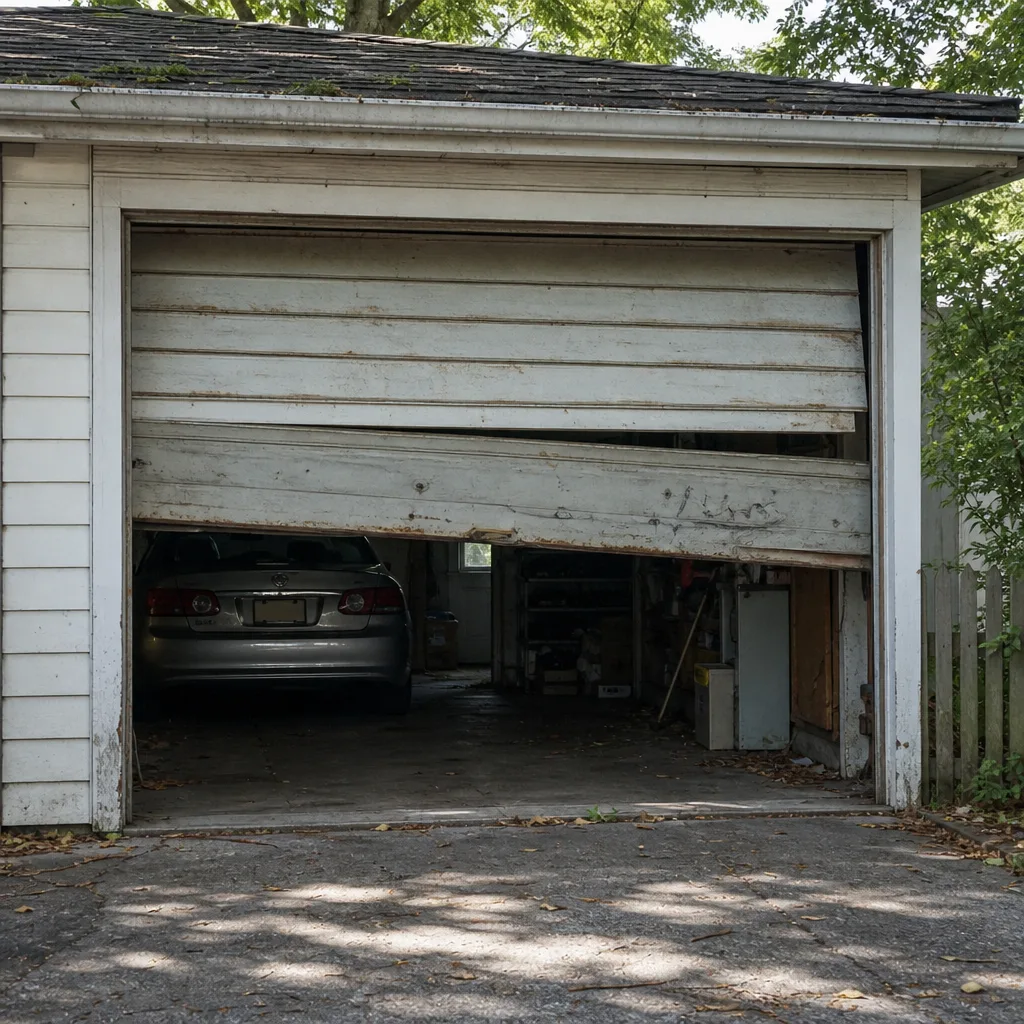 Before
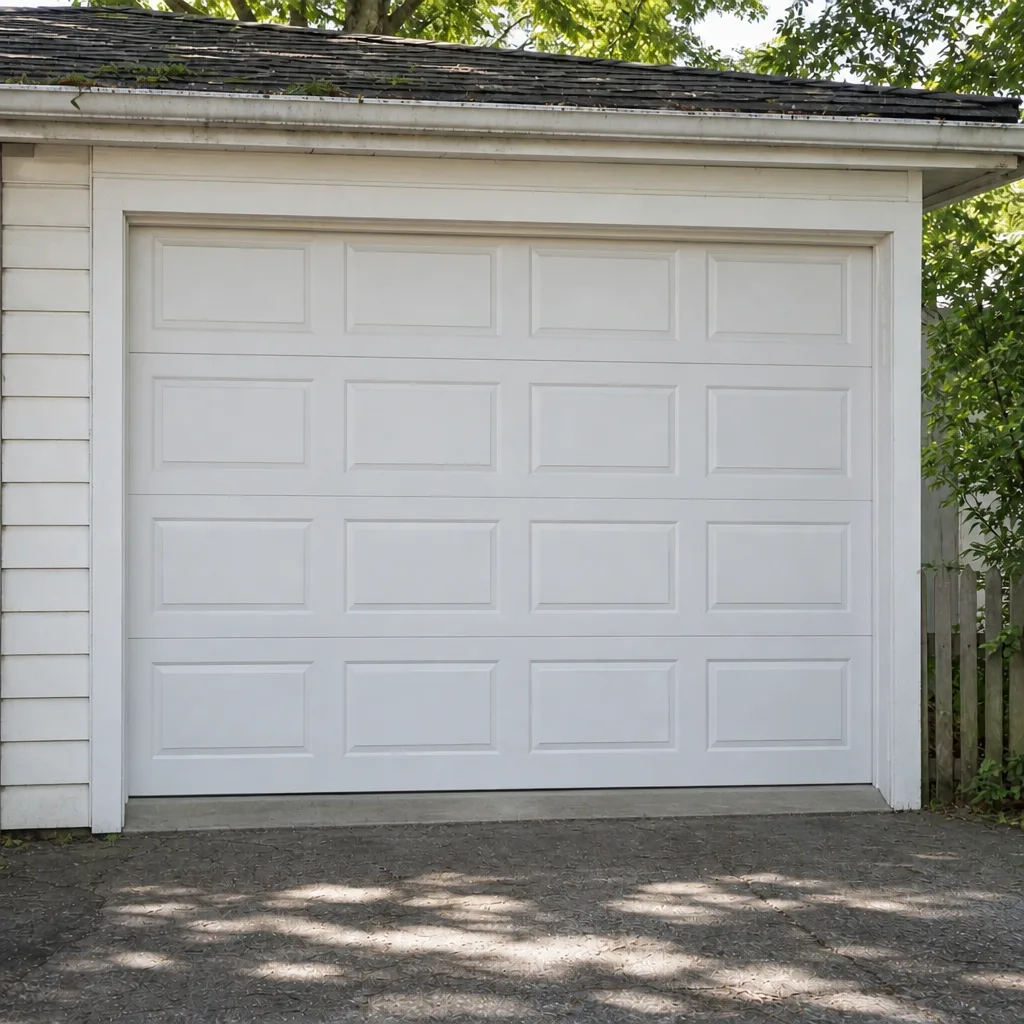 After
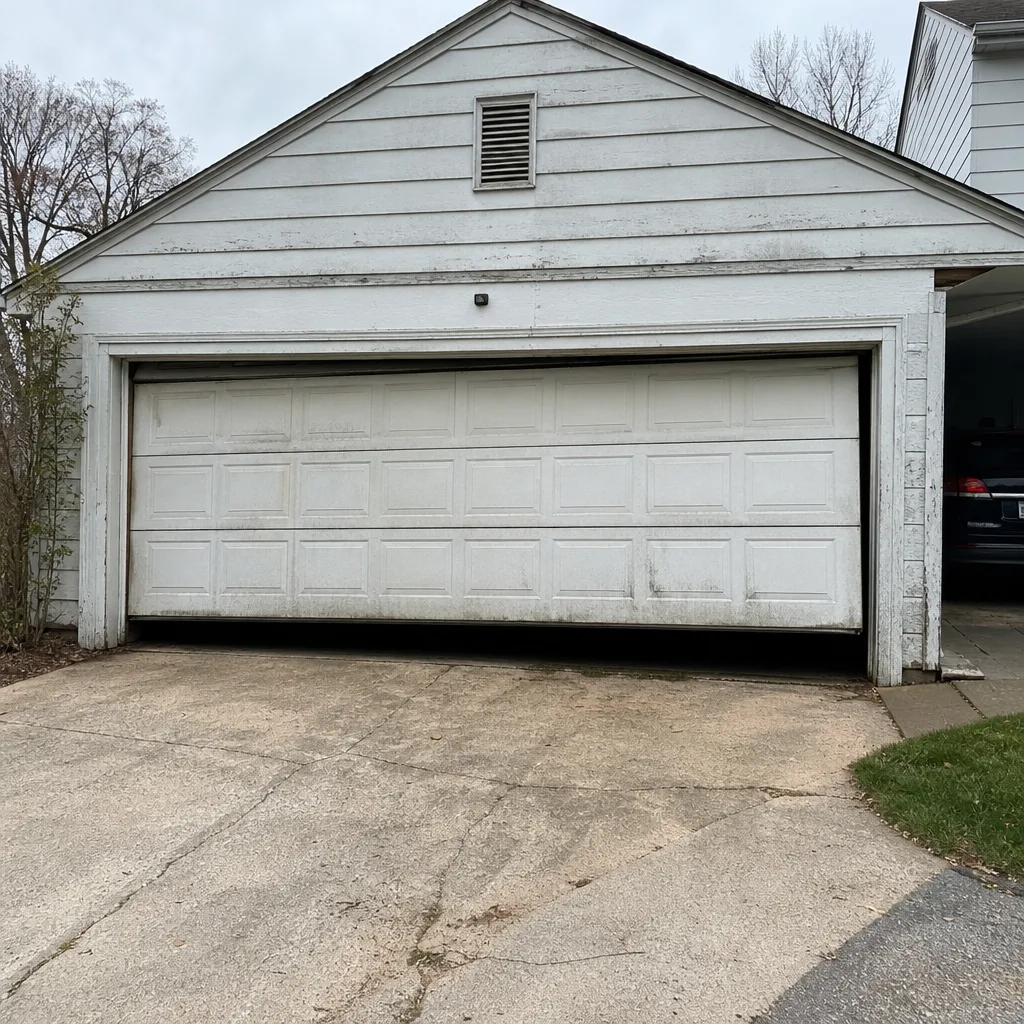 Before
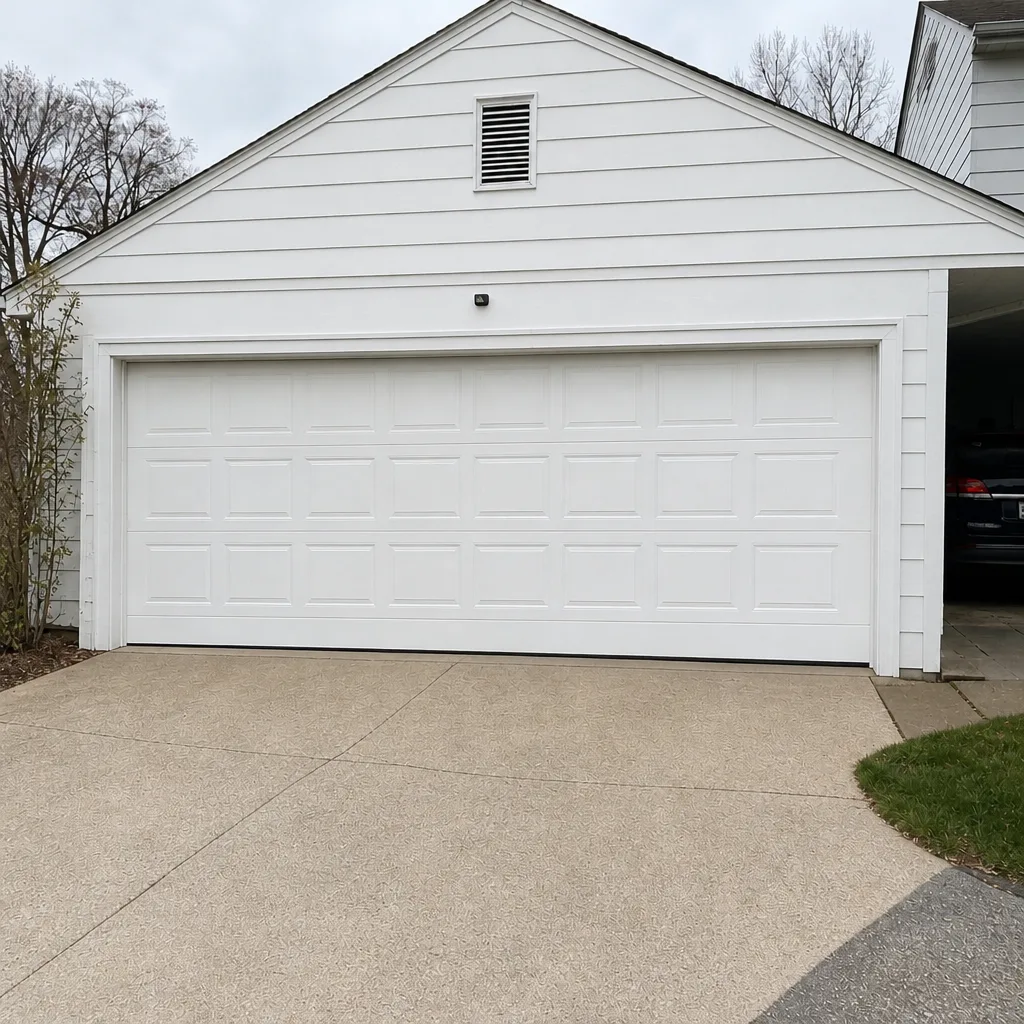 After
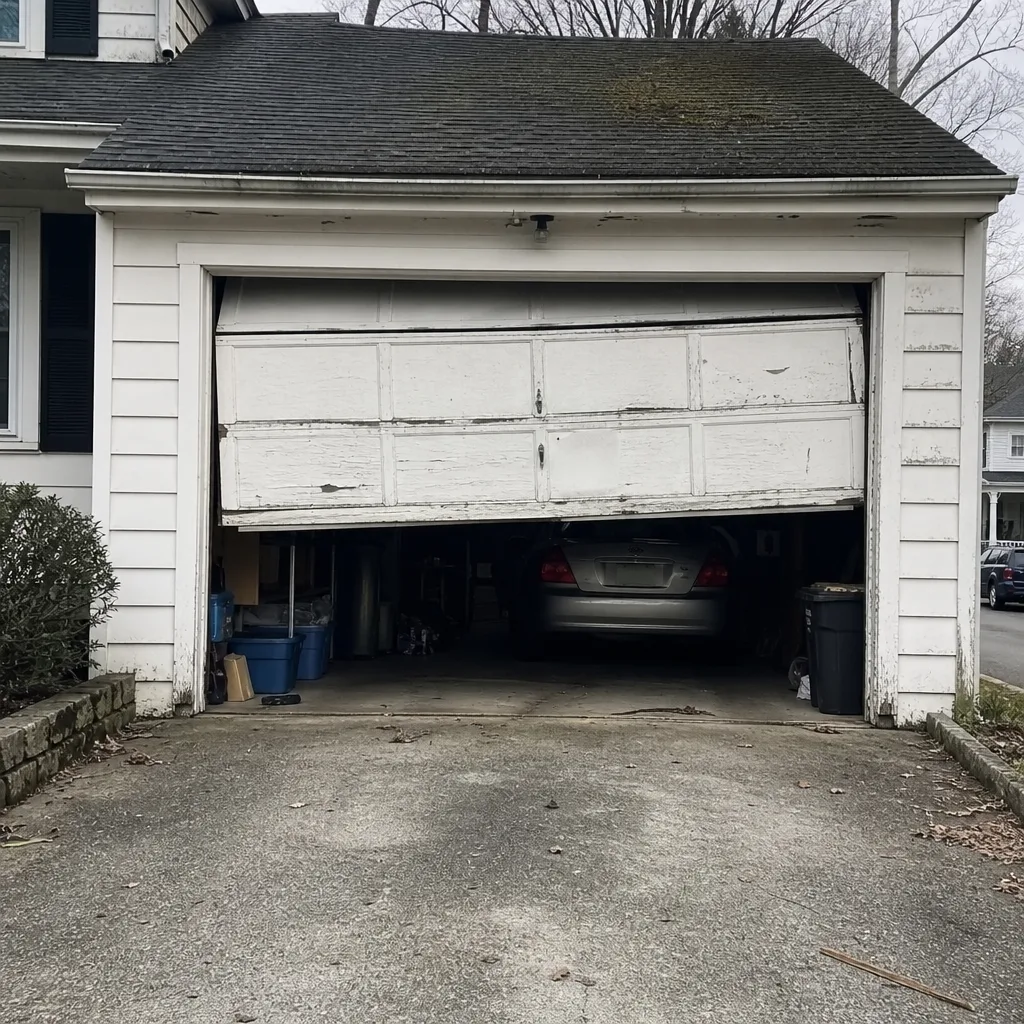 Before
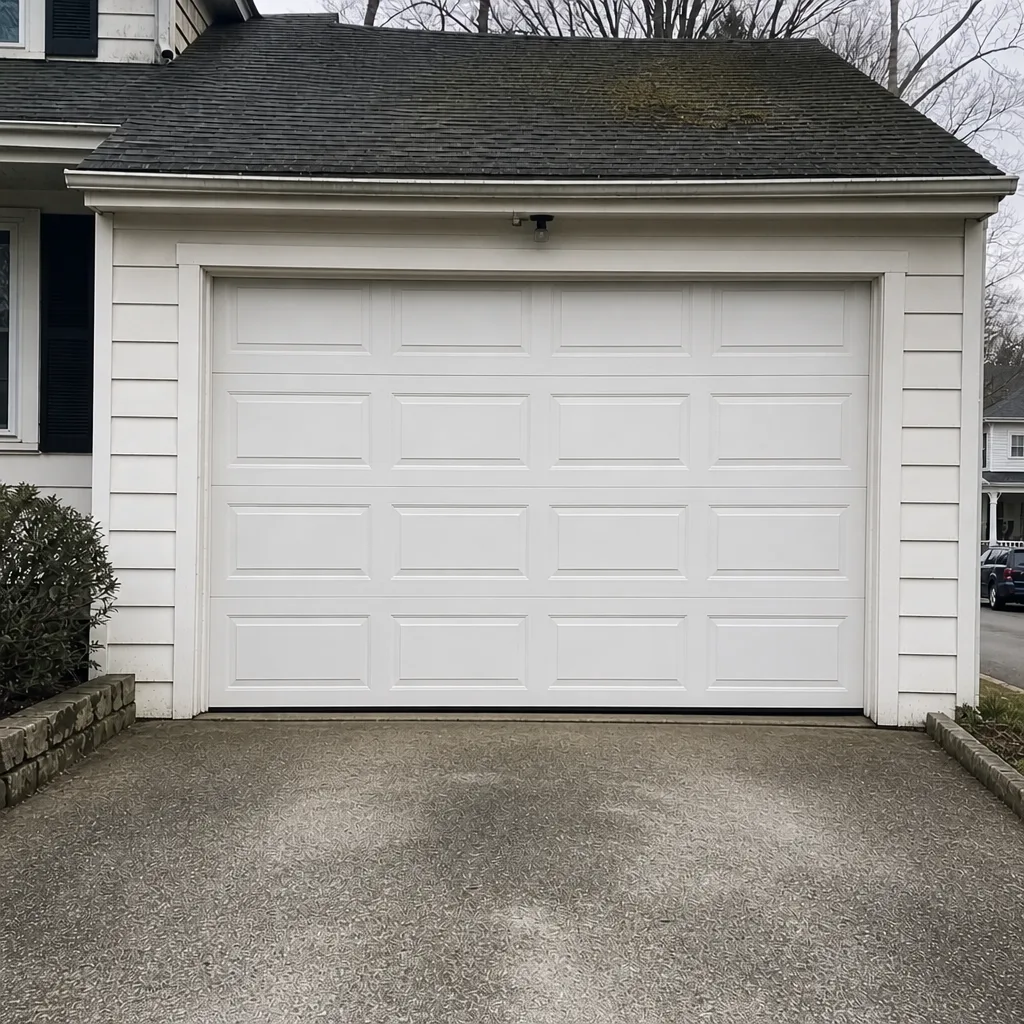 After
When to Call a Professional
Call a professional the moment any of these appears: a broken or visibly bent spring, a frayed or slack cable, a door hanging at an angle, an opener that runs without moving a connected door, a track detached from its mounting, or any door you can’t lift by hand with the opener disconnected. Those are the conditions where the risk is injury or further damage, not inconvenience. For a sensor, a remote, a stiff track, or a noisy roller, you can usually save the trip – but if the symptom survives two rounds of adjustment, the cause is deeper than the superficial fix. Greenwich Garage Door Repair Pros offers free estimates in Greenwich – call (855) 337-1759, and we’ll diagnose the problem and quote it before any work starts.
Frequently Asked Questions
Pull the manual release and lift the door by hand: if it’s easy to lift and holds its position, the door and springs are sound and the opener is the problem; if it’s heavy or drops, the hardware is the problem. This is the fastest test in garage door troubleshooting, and you can run it in two minutes with no tools. Call (855) 337-1759 if the result is unclear – we can talk through the symptoms and get the diagnosis right.
No. Torsion and extension springs are under extreme tension and cause serious injury to untrained people every year, so spring replacement belongs to a trained technician. Even loosening the wrong bolt or letting the winding bars release wrong can throw the spring. Leave the spring to us. Our technicians have up to 15 years of experience with high-tension spring work.
Your safety reverse system is triggering, almost always because of a misaligned or dirty photo-eye. Wipe the sensor lenses and check that the LEDs on both sensors glow steady; align them so they face each other squarely. If the door still reverses, the close-force setting may need adjustment. If those don’t fix it, call (855) 337-1759 for a diagnostic.
Typical Greenwich repair estimates run from about $110 for a sensor or adjustment call to $180 – $340 for a single torsion spring and $340 – $650 for a matched pair. Cable replacement is usually $150 – $280 and a track realignment $120 – $220. The written estimate sets the final price and the work is quoted and agreed before anything starts. Call (855) 337-1759 for a free estimate.
For emergency situations, yes – we offer emergency garage door service with urgent-response availability rather than a next-week appointment. A broken spring, a stuck closed door, or a cable that’s failed is exactly the kind of high-stress security situation we respond to. Call (855) 337-1759 and we’ll work out what’s needed. For scheduled repairs and installations, we book the visit and quote it up front.
Any make, any model – technicians are trained on LiftMaster, Chamberlain, Genie, Clopay, Amarr, Wayne Dalton, Craftsman, and Raynor equipment. That covers most doors and openers in Greenwich homes, and it means the diagnosis is made on the equipment in front of the technician, not on a guess. We work on what you already own. Call (855) 337-1759 if you’re unsure of your model.
The Bottom Line
Garage door troubleshooting works best as a diagnostic tree, not a trial-and-error session. Identify whether the problem is door-side or opener-side with the hand-test, then work through the safe fixes – sensors, batteries, lubrication, the manual release – before picking up a wrench. Springs, cables, and cable drums are never a homeowner repair, and a broken spring or a frayed cable is a stop signal, not a challenge. Greenwich’s freeze-thaw climate and mature trees add wear to tracks and hardware, so a door that starts catching in late fall deserves a check before winter. When the symptom survives two adjustments, call a specialist. Greenwich Garage Door Repair Pros offers free estimates and same-day service for urgents – call (855) 337-1759 and we’ll have you back up and running. Our technicians have up to 15 years of experience on virtually any brand in the market, and we handle the spring so you don’t have to. That’s the job, and it’s one we do every day in Greenwich.
Written by the team at Greenwich Garage Door Repair Pros.