Last updated November 23, 2026
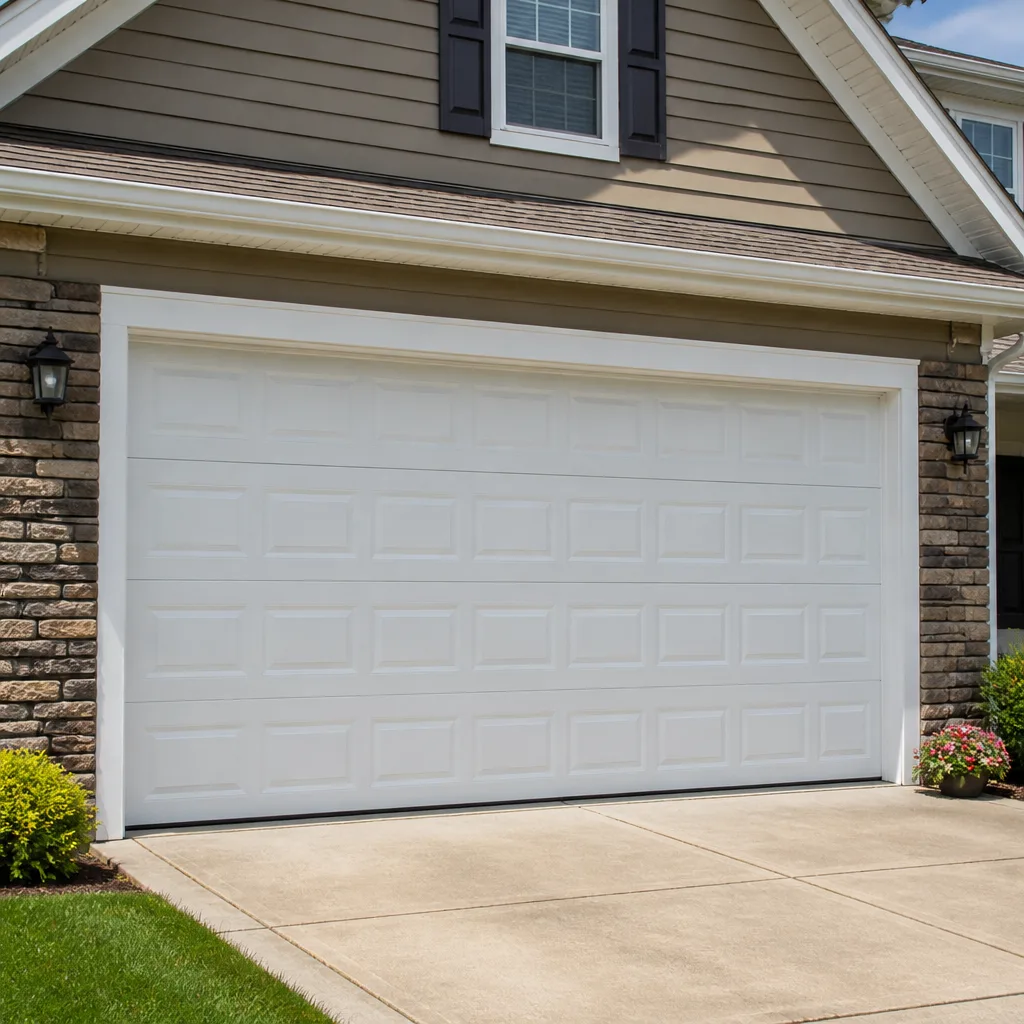 Raised-panel steel
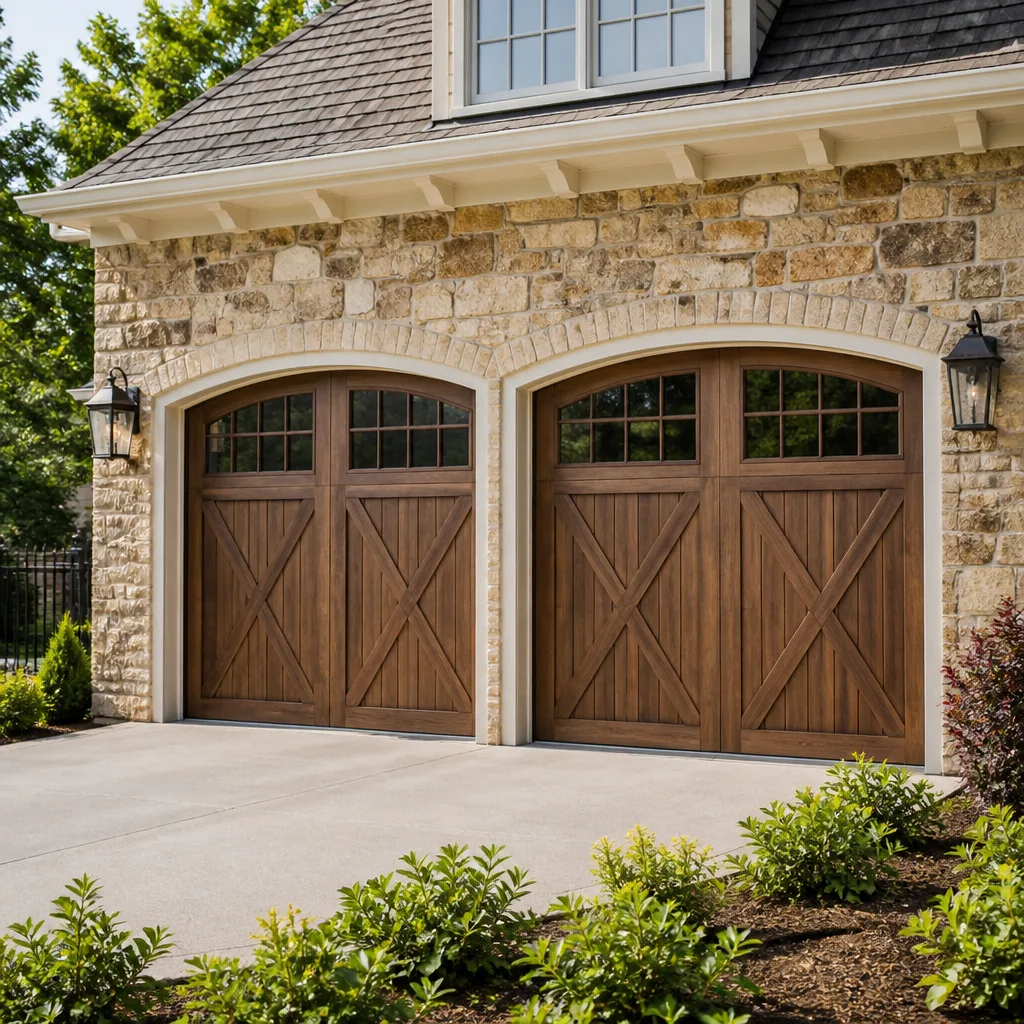 Carriage house
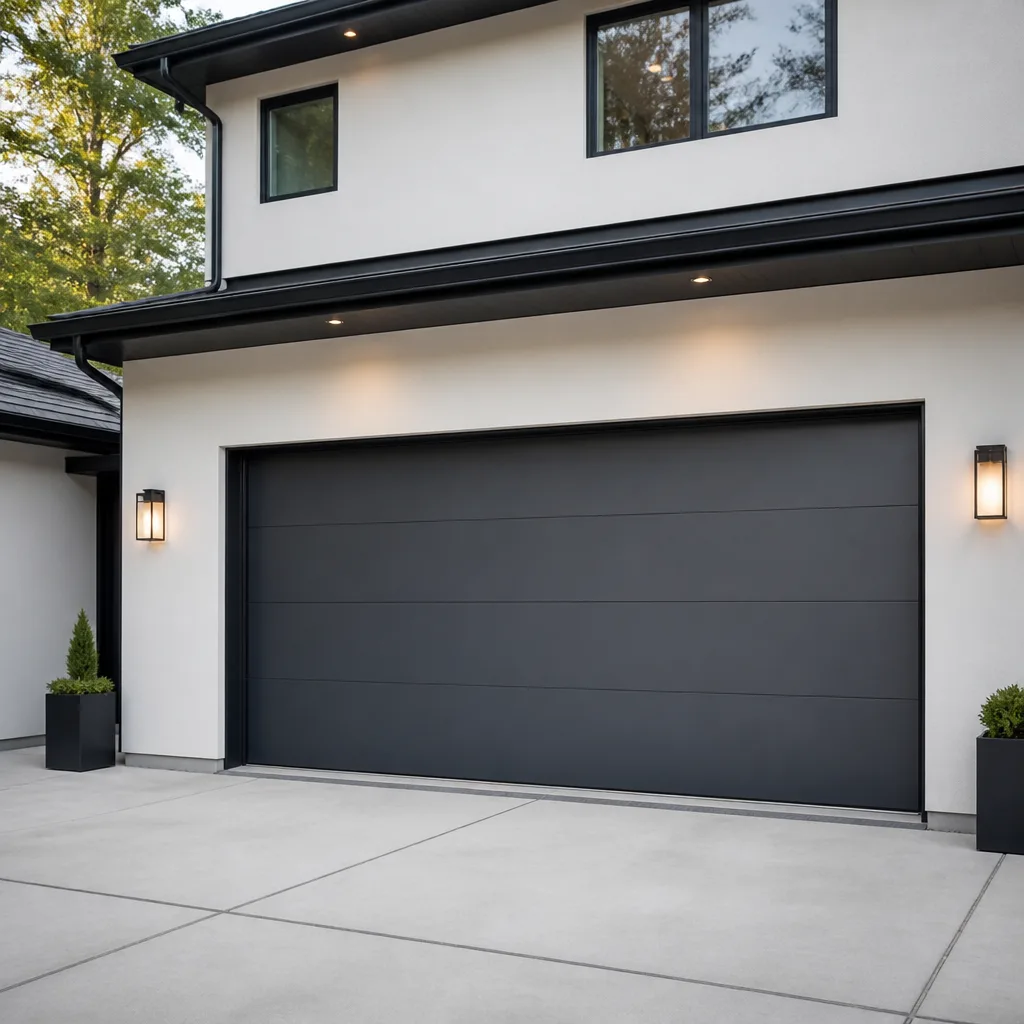 Modern flush
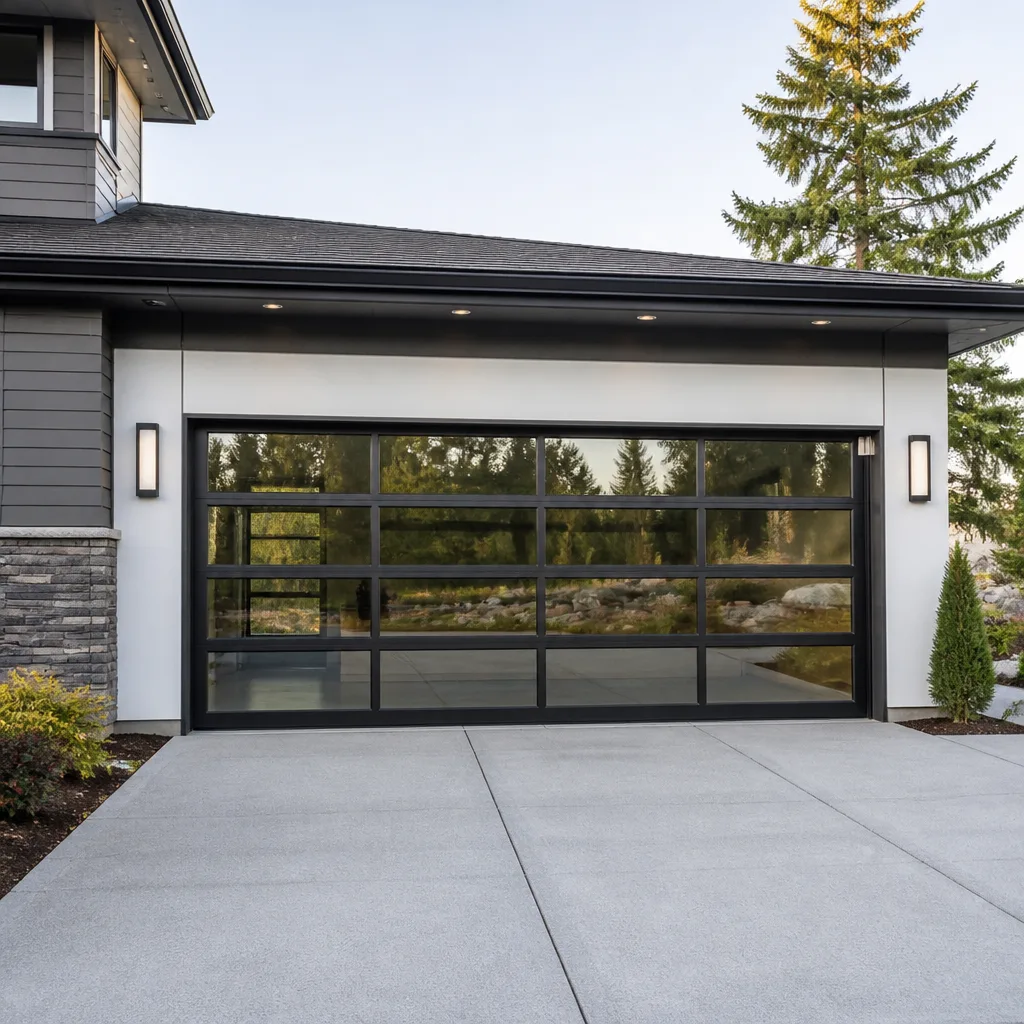 Full-view glass
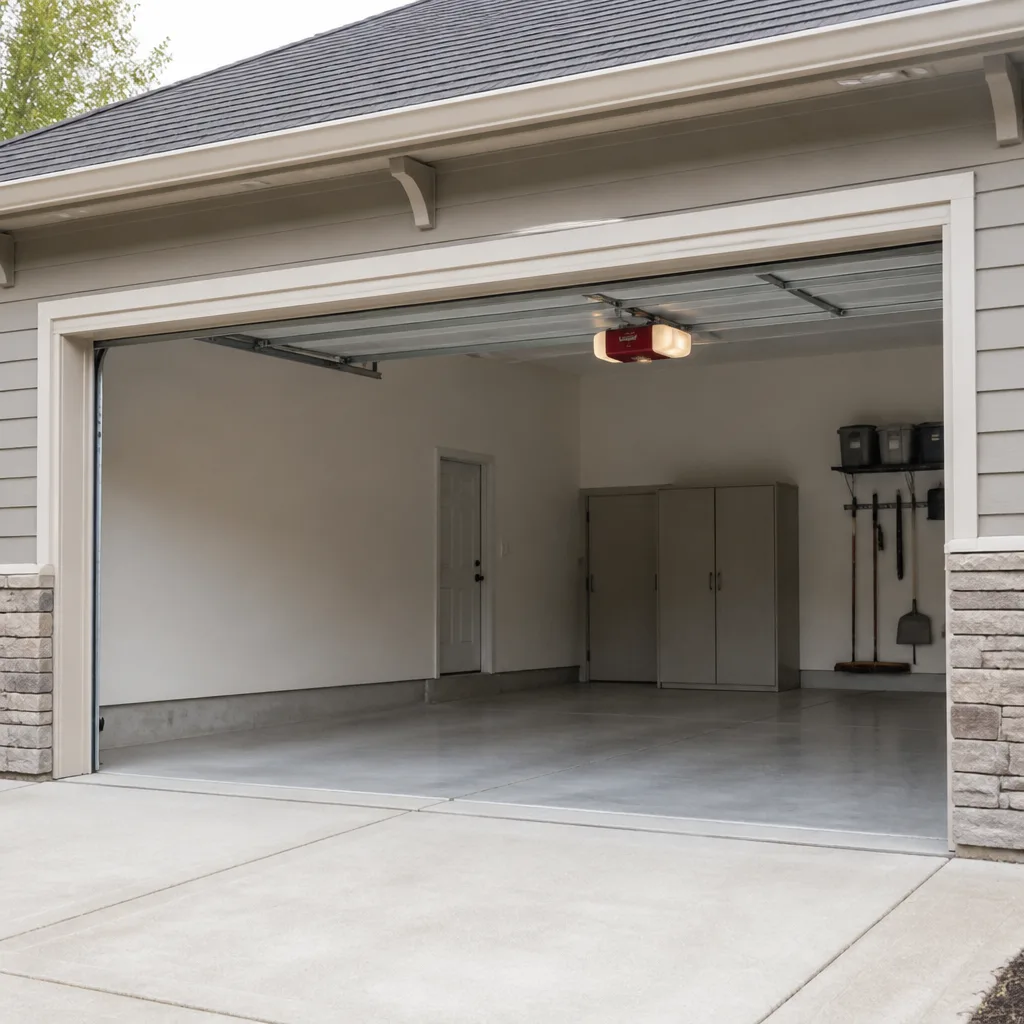 LiftMaster openers
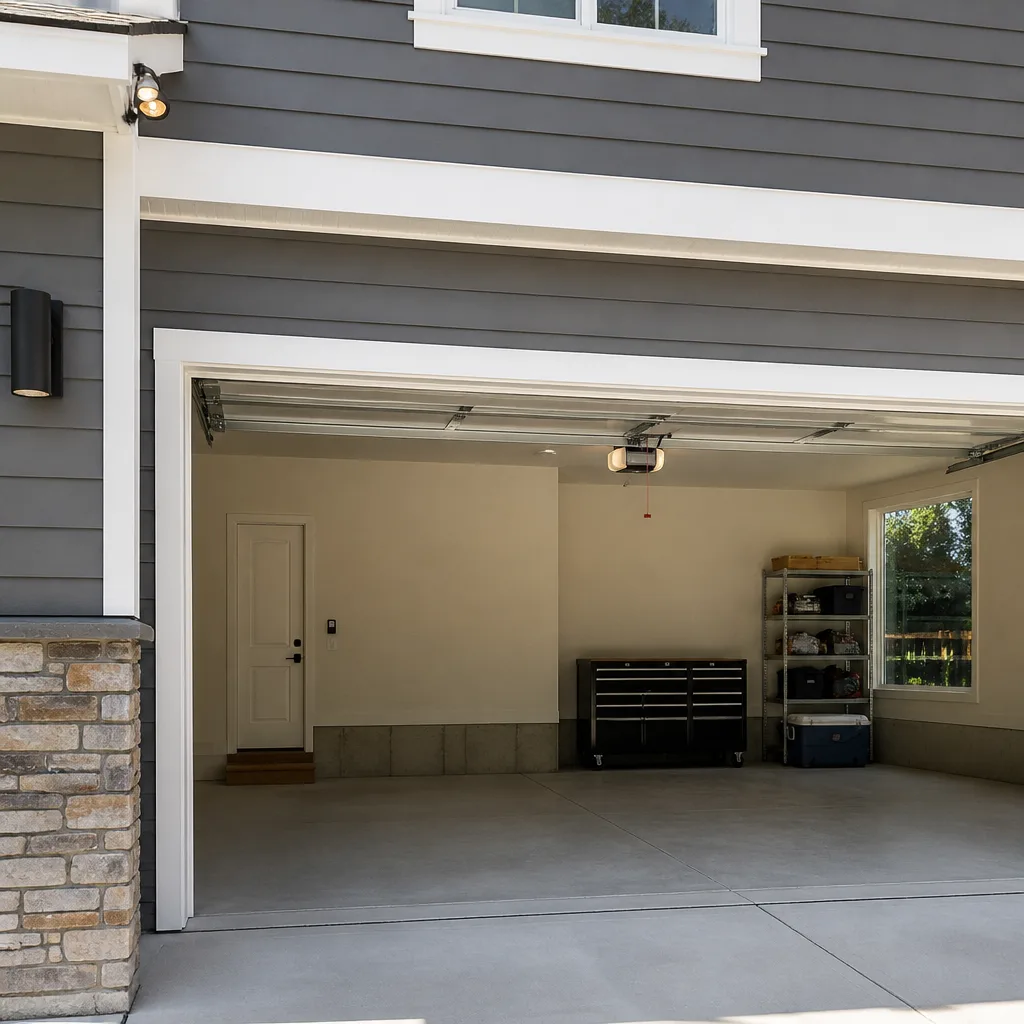 Chamberlain openers
Full 25-point door and opener safety check with every visit - springs, cables, rollers, tracks, and your LiftMaster or Chamberlain opener included
You get a price before we start. It does not change when the pro arrives.
Get your free estimateThe Complete Guide to Garage Doors in Greenwich
Most garage door advice online is written for a suburban lot with a flat driveway and a builder-grade door. Greenwich is different, and anyone who’s worked on doors here knows it. Long estate driveways put a heavier duty cycle on openers. The humidity that rolls in from Long Island Sound off and on all summer works on springs galley and track bolts until gray rust shows. And the architectural standards here, plus HOA and historic district review in many neighborhoods, mean the wrong door can drain a home’s curb value far more than the repair would have cost. This guide covers what actually works in Greenwich: materials, rules, opener sizing, realistic costs, and when to call a specialist rather than a handyman.
Quick Answer
A garage door in Greenwich needs to handle three things a national guide won’t tell you about: summer humidity that attacks springs and hardware, long driveways that call for a higher-torque opener, and HOA or historic district approval that governs style, color, and window placement before you buy. Match the door to your home’s architecture (colonial, Tudor, mid-century, or new build), size the opener for the driveway length, and get a written quote before any work starts. Everything you need to make that decision is below.
Styles & brands we work with
- Raised-panel steel
- Carriage house
- Modern flush
- Full-view glass
- LiftMaster openers
- Chamberlain openers
Table of Contents
- How Greenwich’s Climate Changes What You Should Buy
- Materials That Hold Up in Greenwich
- HOA and Historic District Rules in Greenwich
- Why Long Driveways Need a Stronger Opener
- Matching the Door to Greenwich Architecture
- What Garage Doors and Repairs Cost in Greenwich
- A Year-Round Maintenance Routine
- Springs and Cables: The Part You Don’t Touch
How Greenwich’s Climate Changes What You Should Buy
The single most expensive mistake we see with doors in Greenwich is buying for looks and ignoring what the weather here does to hardware. The four seasons are real here, and so is the moisture. A door that spends its life on a property with mature trees and a shaded driveway sees more condensation on the springs, hinges, and track bolts than a door on an open lot. Over a few seasons, that moisture shows up as surface rust, then as bind and noise, then as a part that fails when you least want it to.
What that means in practice:
- Springs and cables are the first to suffer. They sit under constant tension and corrosion accelerates fatigue. A spring that might last longer in a dry climate can reach end of life sooner when it’s cycling through damp summers.
- Treat hardware as a wear item. Hinges, rollers, and track bolts want lubrication on a schedule, not once when you remember.
- Look at track and roller condition each season. Rust on the track and flat spots on steel rollers are the earliest warning signs, and catching them early is the difference between a small fix and a full rebuild.
- Choose finishes that tolerate moisture. Powder-coated steel and aluminum hold up well. Untreated steel and bare wood (unless properly finished and maintained) don’t love a damp climate.
None of this is complicated. It’s just that most garage door content ignores local conditions entirely and writes for a mild, dry suburb. Greenwich isn’t that. Buying with an eye on moisture and maintenance is what makes a door last here, and it’s the difference between a door that quietly works for years and one that starts complaining after two.
Materials That Hold Up in Greenwich
Door material is the decision that shapes cost, maintenance, and appearance for as long as you own the door. Here’s how the main options behave in a Greenwich climate, with the tradeoffs spelled out.
- Steel: The workhorse. Insulated steel doors are the most common choice, they’re affordable relative to wood, and modern powder finishes resist moisture well. Steel is what most national brands build their volume lines from, including Clopay and Amarr, and it’s a safe pick for most Greenwich homes.
- Aluminum: Light, corrosion-resistant, and a natural fit for full-view glass doors. It won’t rust the way steel can, though it dents more easily. Good for modern and mid-century homes.
- Wood: The premium choice, and the one that matches Greenwich’s older homes best (more on that below). Wood needs a real finishing and maintenance schedule in a damp climate. Skip it if you’re not going to keep up with it.
- Composite and faux wood: The middle path. Composite gives you the wood look without the annual refinishing, and it handles moisture better than solid wood. A reasonable option if the architecture calls for wood but the maintenance budget doesn’t.
- Full-view glass: Popular on modern and new construction homes. Choose frames that resist corrosion and glass that’s rated for the exposure. These doors are stunning and they’re also the ones that show dirt and condensation first.
Whatever material you choose, the brand matters less than the spec and the fit. Wayne Dalton and Craftsman both make doors that suit different budgets, and a well-chosen door from any reputable line will outperform a poorly fitted door from a fancier one. Fit is what makes a door quiet and weather-tight in Greenwich’s wet months, so the installation carries as much weight as the box.
HOA and Historic District Rules in Greenwich
This is where national garage door guides quietly fail Greenwich homeowners. Many neighborhoods here have HOA architectural review, and some areas fall under historic district oversight. Those processes can reject a door style, color, or window arrangement that would pass without a second look almost anywhere else in the country. If you order a door before you check, you can end up with a door you can’t install.
Before you buy, work through this sequence:
- Confirm whether architectural review applies. Ask your HOA or check with the town about historic district overlay. This one call saves the most money of anything in this guide.
- Get the current written guidelines. Don’t rely on a neighbor’s memory of the rules. Guidelines change, and the written version is what your application will be judged against.
- Match style, color, and window placement to the guidelines. Window layout in particular is a common rejection point, because it changes the door’s whole appearance.
- Submit for approval before ordering. Get it in writing. A door on order that can’t pass review is a door you’re stuck storing or returning.
- Keep the approval with your paperwork. It’s useful if questions come up later, and it makes any future sale smoother.
Greenwich has real architectural character, and the review process exists to protect it. When you plan for it from the start, it’s a formality. When you don’t, it becomes an expensive delay. Ask about approval timelines before you set an installation date, because the review clock runs separately from the door’s lead time.
Why Long Driveways Need a Stronger Opener
A garage door opener is sized by two things: the weight and size of the door, and how hard it has to work. On the long driveways common to Greenwich estates, the door has to be a bigger one, and every cycle moves more weight. That’s the mechanical reality. A standard residential opener bought for a standard suburban driveway can be undersized for the door it’s asked to lift here, and an undersized opener shows it as strain, hesitation, and early failure.
What to look for when you’re buying or replacing an opener:
- Match the horsepower to the door. Bigger, heavier doors want more lifting capacity. A licensed installer can confirm what your door needs, and that’s the number to buy for.
- Choose a drive type that suits the door. Belt drives are the quietest, chain drives are robust and common, and screw drives are durable with a bit more noise. For a large, long-run door, quiet and durable both matter.
- Look for a battery backup. A door that won’t open in a power outage means a car you can’t move out. Backup batteries are worth the small extra cost.
- Keep the safety features. Every modern opener has an auto-reverse and safety sensor system, and those aren’t optional extras. They’re what make the door safe around kids and pets.
- Choose a smart-ready unit if you want app control. LiftMaster, Chamberlain, and Genie all have connected lines, and the app features are genuinely useful on a long driveway.
The right opener turns a heavy door into a smooth, quiet one. The wrong one turns a fine door into a constant source of complaint. On the long driveways in Greenwich, spend the money on the opener’s capacity, and you’ll never think about it again.
Matching the Door to Greenwich Architecture
The wrong door on a beautiful home is a real loss of value, and Greenwich has enough distinct architectural types that one-size advice does real damage. Match the door to what the house is, and the property looks right from the street.
- Colonial: Raised-panel or carriage-house styling with symmetrical windows. White, cream, and deep charcoal are the safest choices. Keep the window layout regular and proportional to the door.
- Tudor: Wood-look or stained finishes pair well with the brick and stucco character of these homes. Composite with a wood finish can look right while easing the maintenance burden.
- Mid-century modern: Clean lines, flat panels, aluminum and glass in many cases. Full-view doors with a slim frame suit these homes, and so do simple flush panels.
- New construction: The modern lines and generous window packages here usually want contemporary aluminum-full-view or flat-panel doors. The guidelines for the development are the place to start.
Two rules carry across all four types. First, proportion: a door that’s too wide or too plain for the façade looks wrong no matter how good the door is. Second, color: pull it from the home’s trim or accents so the door reads as part of the house rather than an addition. When we’re asked for advice on a Greenwich home, we point the customer toward a door that matches the house, not the trend of the moment. Trends pass. A door that’s right for the architecture stays right.
What Garage Doors and Repairs Cost in Greenwich
Greenwich is an expensive market, and that shows up in what homeowners actually spend relative to the national average. The numbers below are typical estimates, not quotes. The written estimate is the price, and you get it before any work begins.
What typical work runs in Greenwich:
- Spring replacement (one spring): typically $200 to $350, and a matched pair is usually replaced together, so a pair runs about twice that.
- Garage door repair (general): typically $150 to $400, depending on the part and the door. This is the range to budget for a fix, not a rebuild.
- Opener repair: typically $150 to $350, and a full opener replacement is a separate, larger estimate.
- New door installation (standard residential): typically $900 to $2,500 for the door and install, with premium, custom, or architecturally sensitive doors running well above that.
Two things drive the Greenwich premium versus national averages. The first is labor: skilled trade labor in this market runs higher than the country as a whole. The second is architectural fit: many homes here need a door style, finish, or window package that’s not the builder-grade default, and custom specs cost more. On a home of significant value, the expensive decision is usually the cheap door that doesn’t match, because a mismatch costs you at resale. Treating the door as part of the architecture, not an appliance, is what makes the spend pay back.
If the door is repairable, repair is almost always the smarter money. We’d rather put back a working door than sell you a new one, and a licensed technician can tell you honestly which one you’re looking at. That’s what garage door repair is for: restoring the door you have, done right. Estimate first, written price before any work begins, no surprises on the invoice.
A Year-Round Maintenance Routine
A little attention each season goes further in Greenwich than in most places, because the humidity does half the work for you if you ignore it. Here’s the routine that keeps a door quiet, safe, and less expensive to own:
- Lubricate the moving parts. Hinges, rollers, track bolts, and the pivot points want a garage-door-specific lubricant. Once or twice a year is the standard, more often on a shaded driveway.
- Listen for changes. A door that’s suddenly louder, slower, or rattling is telling you something. Catch it early and it’s a small fix.
- Test the safety reversal. Put an object in the door’s path and check that it reverses. Test the safety sensors too. If either fails, stop using the door and get it checked.
- Look at the springs. You’re checking for rust, gap, and stretch from a safe distance. Don’t touch them. A spring with a visible gap is broken.
- Check the balance. Disconnect the opener and lift the door by hand halfway. It should stay put. If it drops or feels heavy, the springs likely need attention.
- Look at the weather seal. A worn bottom seal lets in water and cold air. It’s a cheap part and a quick swap, and it matters in a wet climate.
If your garage door opener repair needs are the problem, the routine above tells you the door itself is fine and the opener is the culprit. Either way, the pattern is the same: regular small attention beats one big emergency. And when it’s time to call, our technicians have up to 15 years of experience with these systems.
Springs and Cables: The Part You Don’t Touch
Garage door springs are under high tension, and a spring or cable that lets go can cause serious injury. This is the one part of the door where the right advice is simple: check from a distance, and don’t touch. A trained technician handles the spring so you don’t have to. That’s not caution for its own sake. It’s the honest boundary of what’s safe to do yourself.
What to check, from a safe distance:
- Look for a visible gap in the spring. A gap means it’s broken, and the door should not be used.
- Watch for rust or corrosion on the spring and cables, which the damp climate here accelerates.
- Notice a door that feels heavy, drops suddenly, or won’t stay halfway up. That’s a spring or balance problem.
- Listen for a loud bang from the garage. That’s often a spring letting go, and the door stays shut until it’s fixed.
When a spring fails, garage door spring repair is the specialist call. The wrong spring or an incorrect tension isn’t just a bad repair, it’s a hazard. This is where a specialist beats a generalist handyman, every time. If the door is stuck open or won’t close and the car is trapped, that’s the emergency case, and it’s exactly what our emergency service is for. Back up and running, on a specialist’s schedule, not a handyman’s guess.
Common Mistakes to Avoid
- Buying before checking HOA and historic rules. The door that passes architectural review is the door you can install. Order first and you can end up with a door the review board rejects. Confirm in writing, then buy.
- Choosing a door for looks and ignoring moisture. In Greenwich’s climate, a door that isn’t built for damp conditions becomes a maintenance headache. Pick materials and finishes that tolerate moisture.
- Putting a standard opener on a heavy door. Long driveways mean bigger doors, which need more lifting capacity. An undersized opener strains, hesitates, and fails early. Size the opener for the door.
- Touching the springs. High-tension springs and cables cause serious injury when handled by untrained hands. Check from a distance and call a trained technician.
- Replacing a repairable door. A stuck door is often a spring, a cable, or an opener problem. Before you spend on a new door, get a specialist’s diagnosis. Repair-first usually wins.
- Calling a general handyman for a spring job. Springs are one of the most dangerous jobs on a garage, and a generalist doesn’t carry the training for it. Choose a specialist, not a handyman.
- Skipping maintenance because the door works. The quiet, well-behaved door is the one that got lubricated and checked. Skip it and the humidity gets the last word.
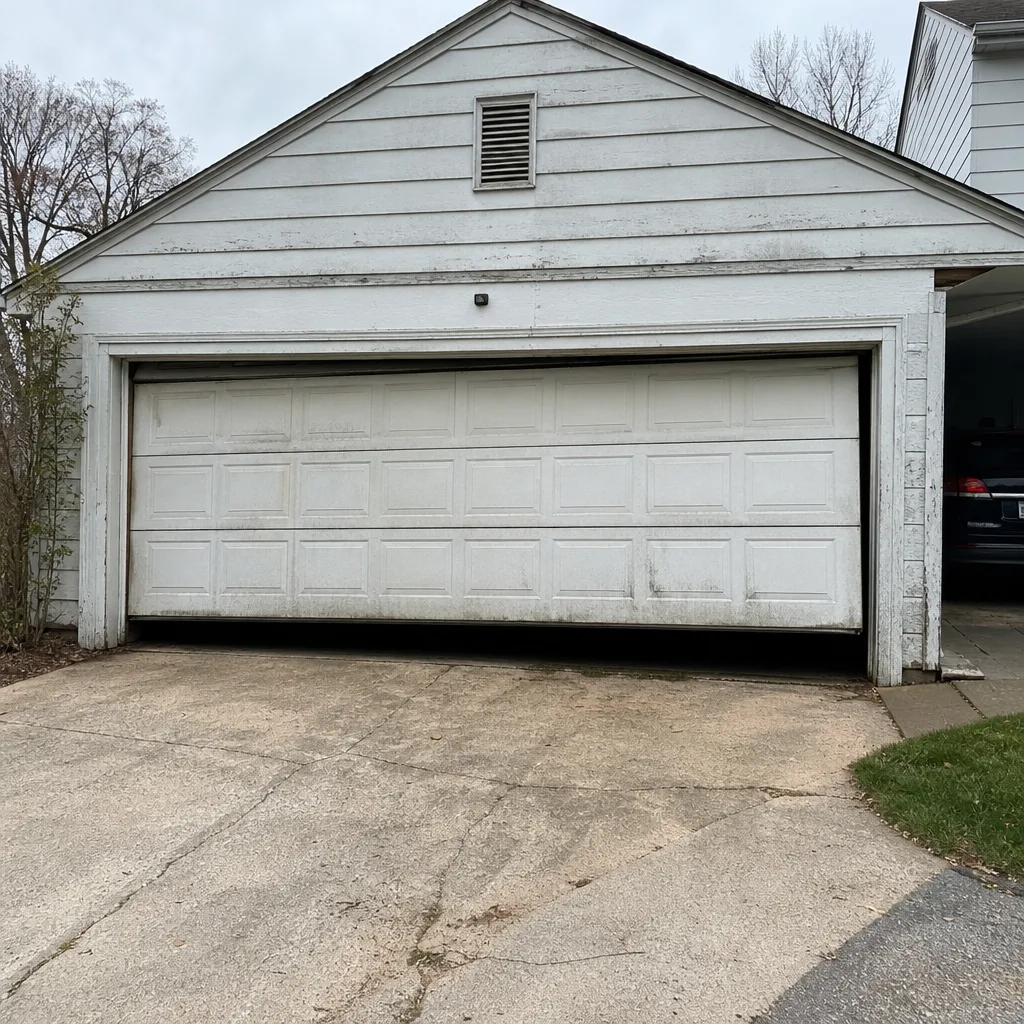
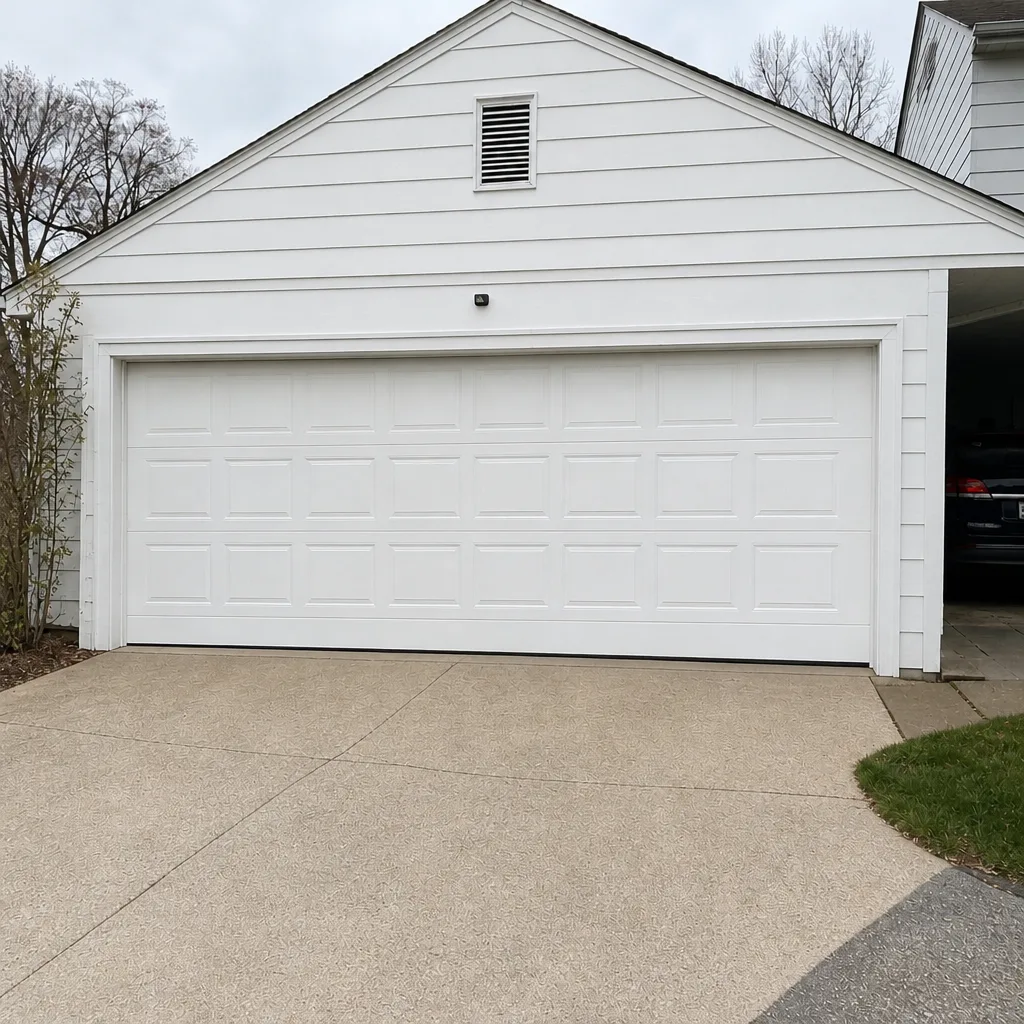
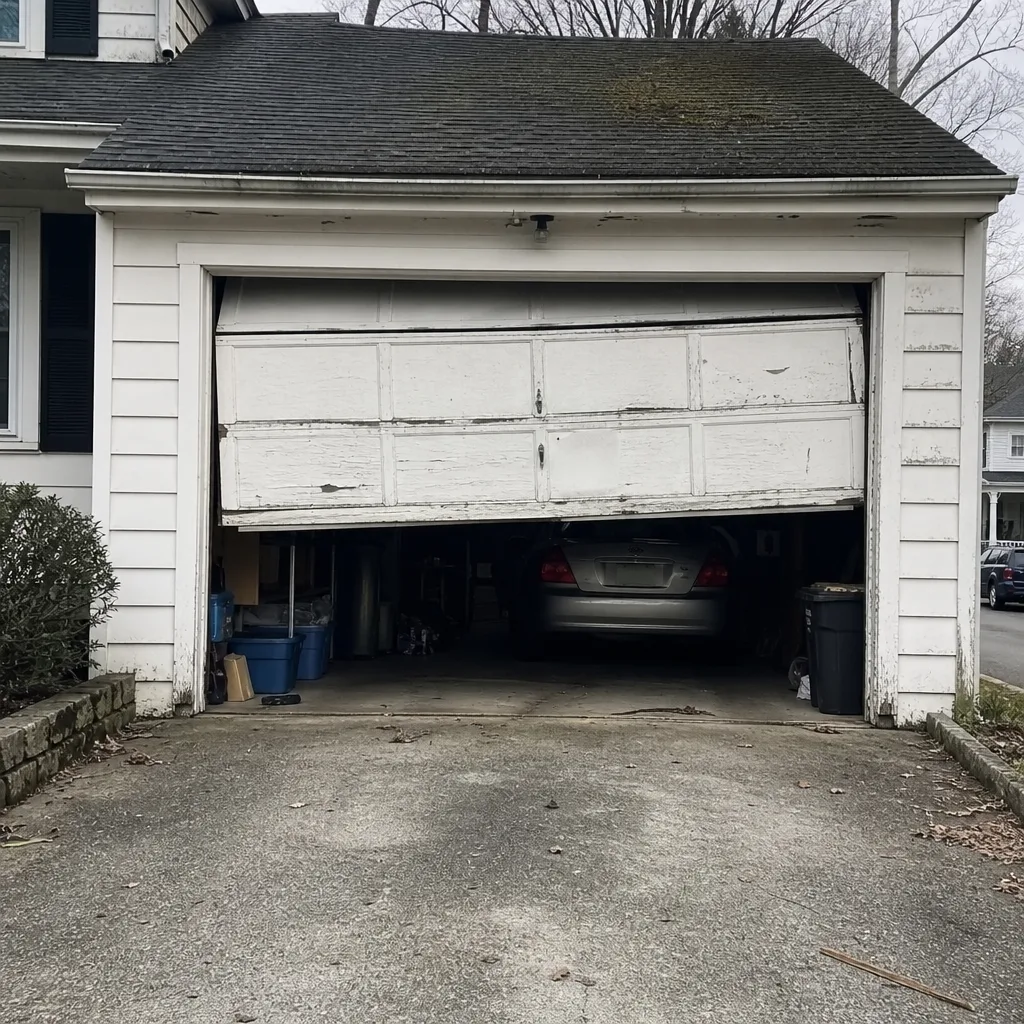
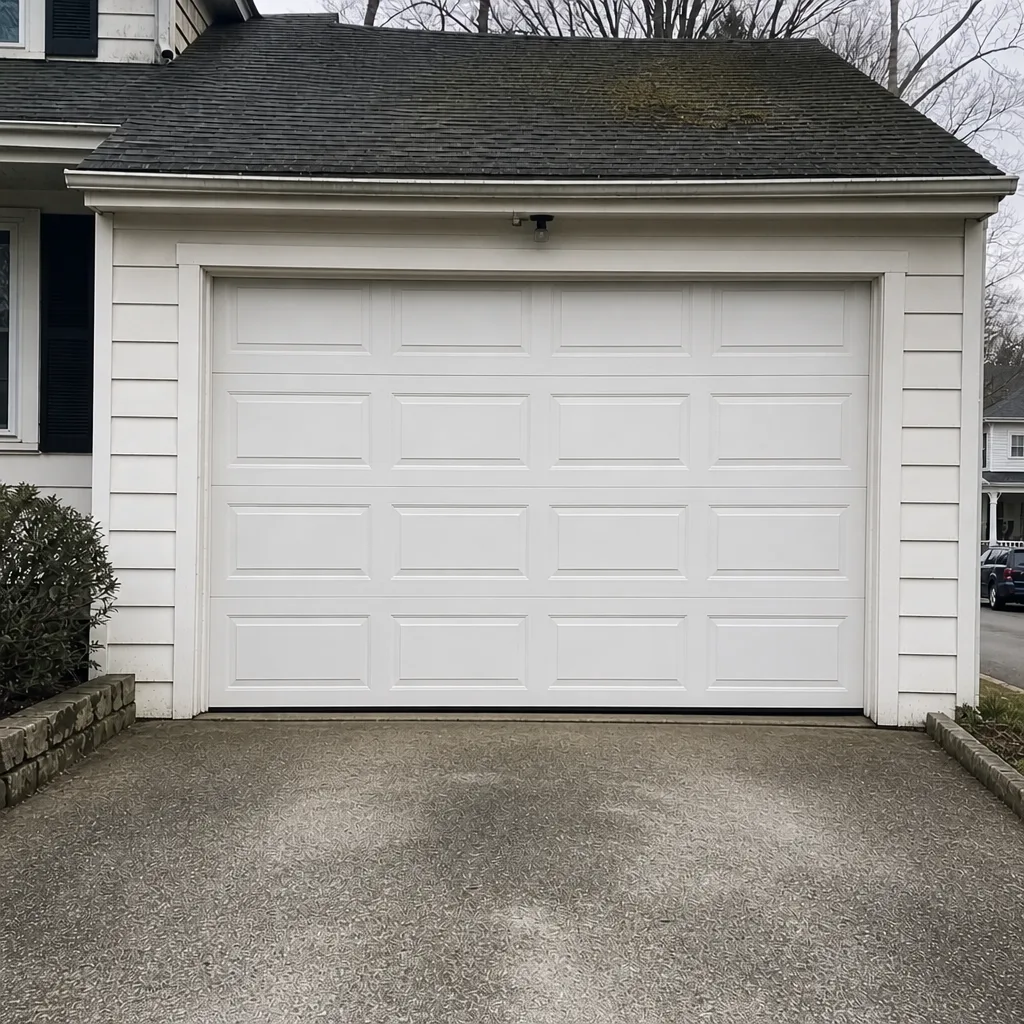
See the difference
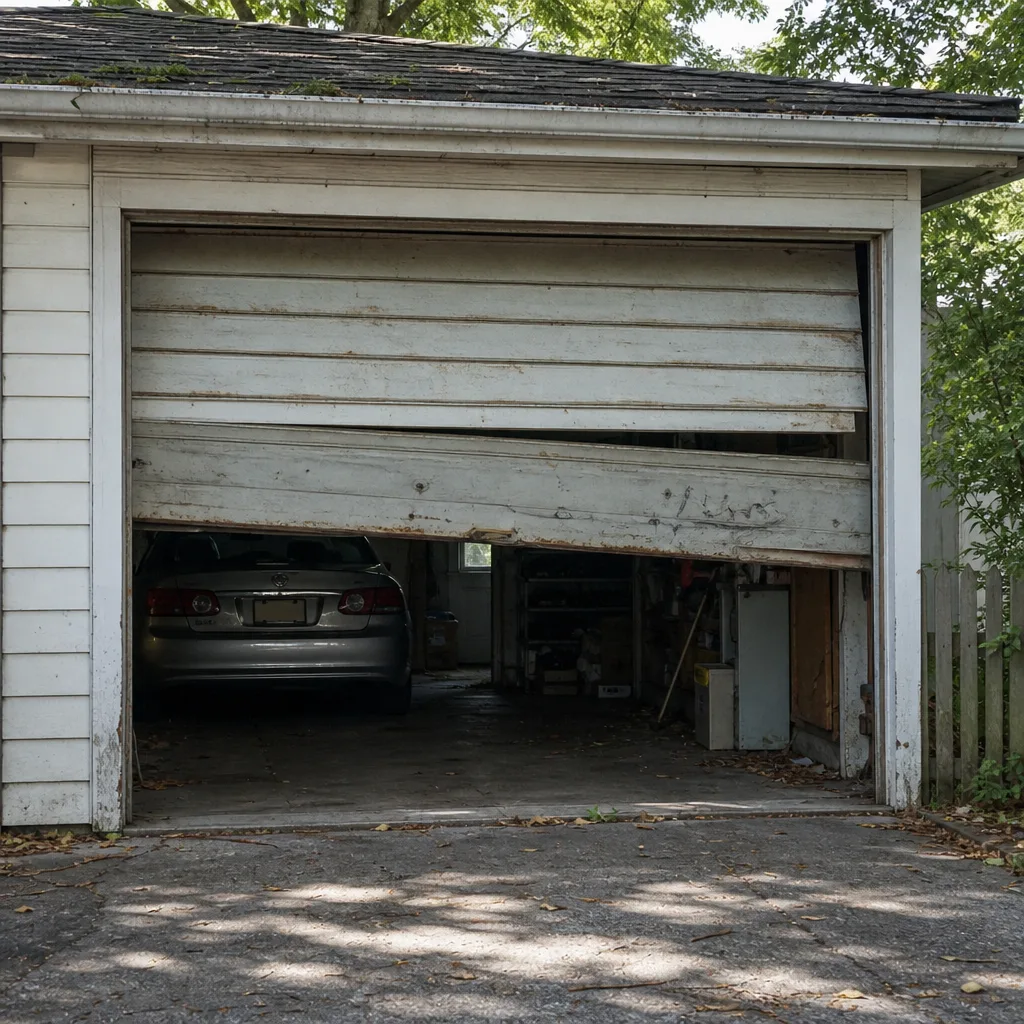 Before
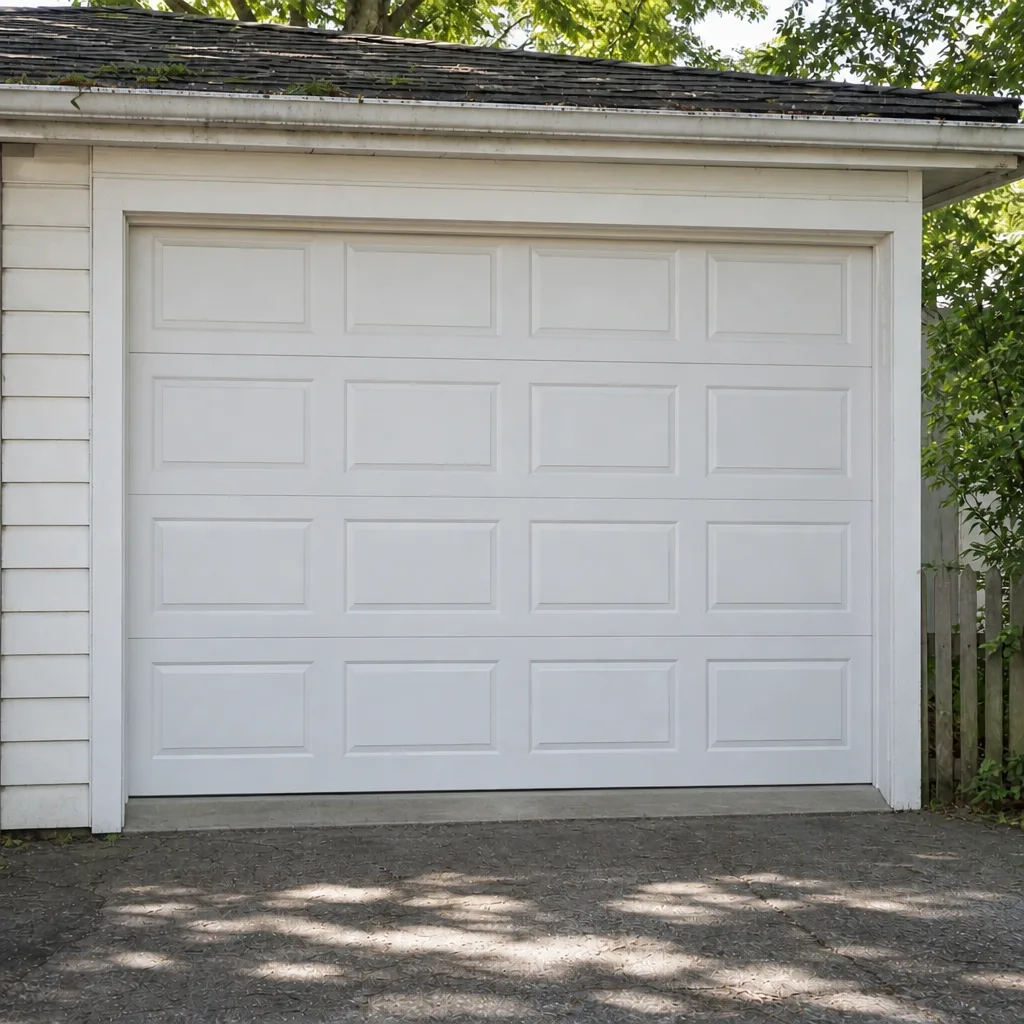 After
 Before
 After
 Before
 After
When to Call a Professional
Some garage door problems are genuinely DIY territory. Others aren’t, and it’s worth knowing the line. Call a professional when: a spring is broken or the door feels suddenly heavy; the door is off its track, crooked, or won’t close all the way; the cables look frayed or loose; the opener reverses without reason, runs but doesn’t lift, or the safety sensors won’t stay clear; the door is stuck open or closed with a car trapped; or you’re facing a full door or opener replacement and want it done right the first time. In those situations, a specialist’s diagnosis and repair is the safer, cheaper path than a guess. At Greenwich Garage Door Repair Pros, we work on any make and any model, from LiftMaster and Chamberlain to Clopay and Amarr, so you’re not asked to replace working equipment. Greenwich homeowners get a free estimate and a written price before any work starts. Call (855) 337-1759 and we’ll take it from there.
Frequently Asked Questions
Typical garage door repair in Greenwich runs about $150 to $400, depending on the part and the door. Spring replacement is a separate line: roughly $200 to $350 for one spring, and about twice that for a matched pair, since both springs are usually replaced together. The written estimate is the price, and you get it before any work begins. Call (855) 337-1759 for a free estimate.
Yes. Emergency garage door service is an active service we offer, not a next-week appointment. A stuck door, a broken spring, or a car trapped in the garage gets urgent-response attention. Call (855) 337-1759 and we’ll get you scheduled and back up and running as quickly as we can.
No, not without your agreement. We diagnose, quote a written price, and get your approval before any work starts. The written estimate is the number you pay. If we find something that changes the job, you’ll hear it from us before a wrench is turned, and the decision stays with you. Call (855) 337-1759 for a free estimate.
Yes. The local professionals we connect you with are licensed and insured as their state requires, and they specialize in garage door work rather than general home repair. Spring work in particular is a specialist’s job, and our technicians have up to 15 years of experience with these systems and with the major brands, including LiftMaster, Chamberlain, Genie, and Clopay. Call (855) 337-1759 with any questions.
It depends on your neighborhood. Many Greenwich HOAs have architectural review, and some areas fall under historic district oversight, so check before you buy. Ask your HOA whether review applies, get the current written guidelines, and submit your door specs for approval before ordering. That one call prevents an expensive mistake. Call (855) 337-1759 if you want help choosing a door that will pass review.
Repair is usually the better money if the door itself is sound. A broken spring, a cable, or a failed opener is a fix, not a replacement. Replace when the door’s panels are damaged, the fit is poor, or the door no longer suits the house or the architectural standards. A specialist can look and tell you which one you’re facing, honestly. Call (855) 337-1759 for a free estimate.
The Bottom Line
Greenwich garage doors live in a specific set of conditions: damp summers, long driveways, and architectural standards that make generic advice useless. Match the door to the architecture, choose materials that handle moisture, size the opener for the driveway, and clear HOA or historic review before you order. On repairs, repair-first almost always wins, and springs are a specialist’s job. Know the typical cost ranges so you can spot a bad quote, and always insist on a written price before any work starts. Get the basics right and a garage door here runs quietly for years. Call (855) 337-1759 for a free estimate from Greenwich Garage Door Repair Pros.
Written by the team at Greenwich Garage Door Repair Pros.