Last updated November 23, 2026
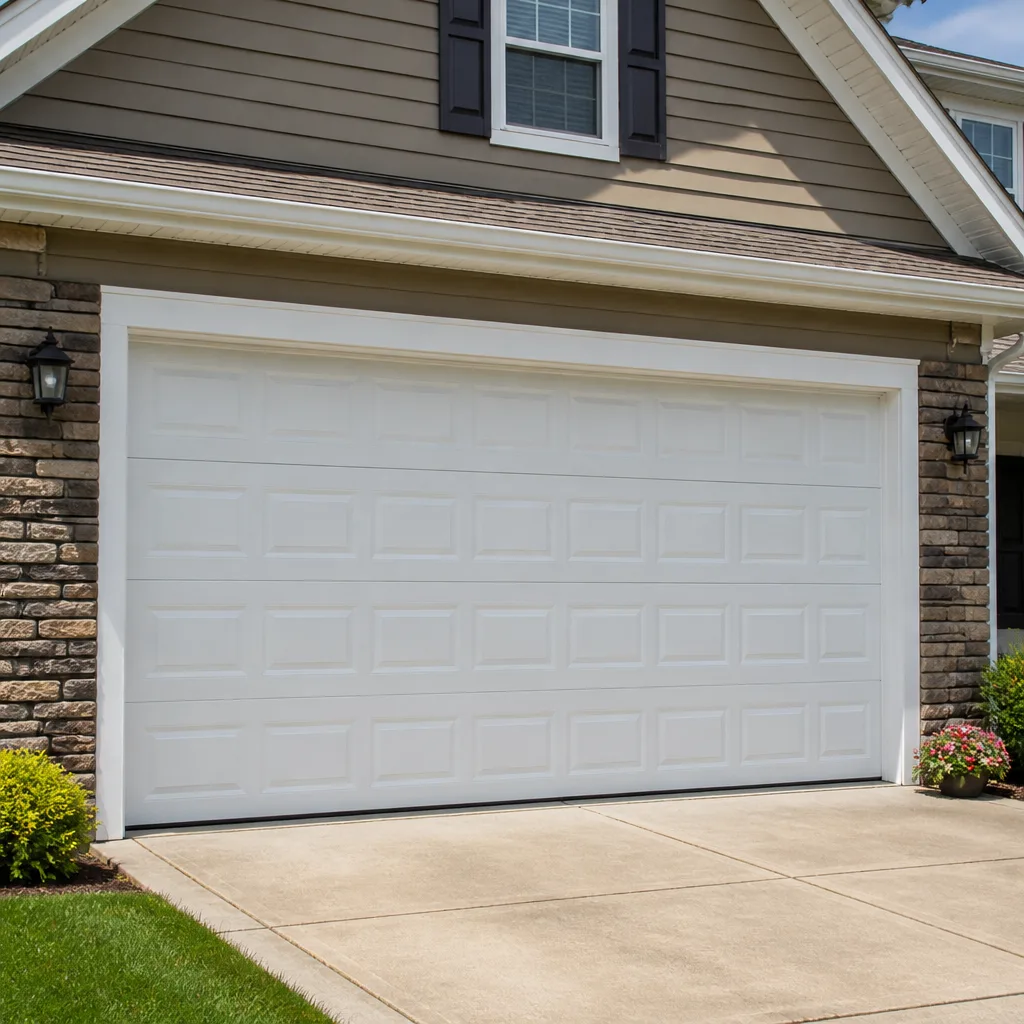 Raised-panel steel
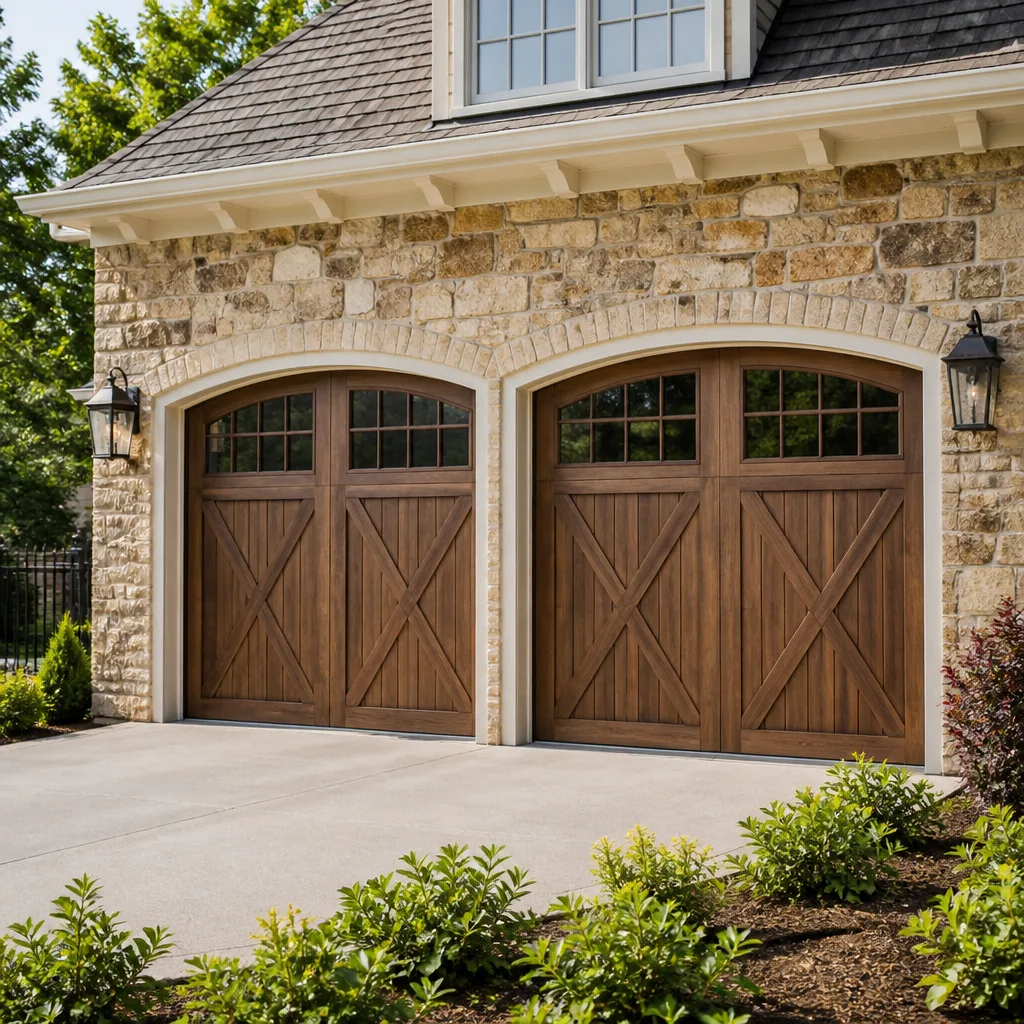 Carriage house
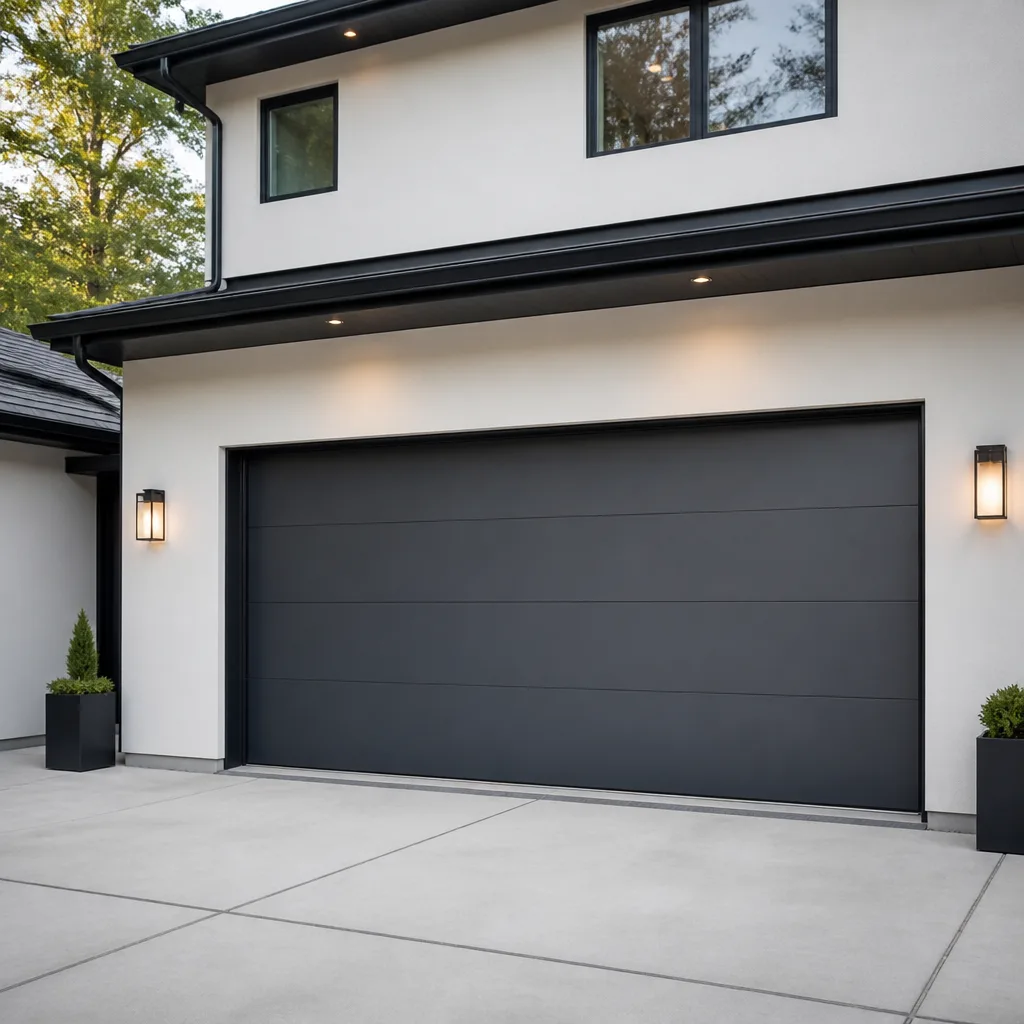 Modern flush
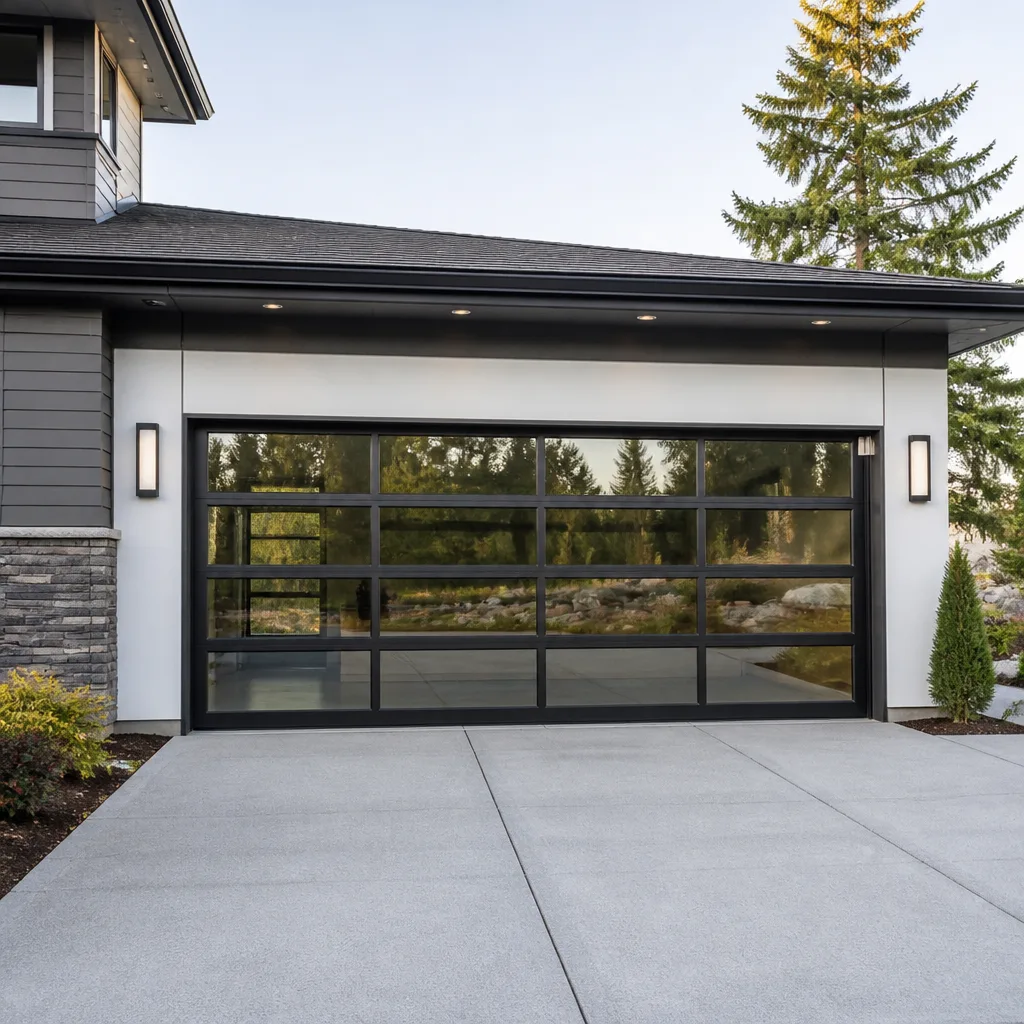 Full-view glass
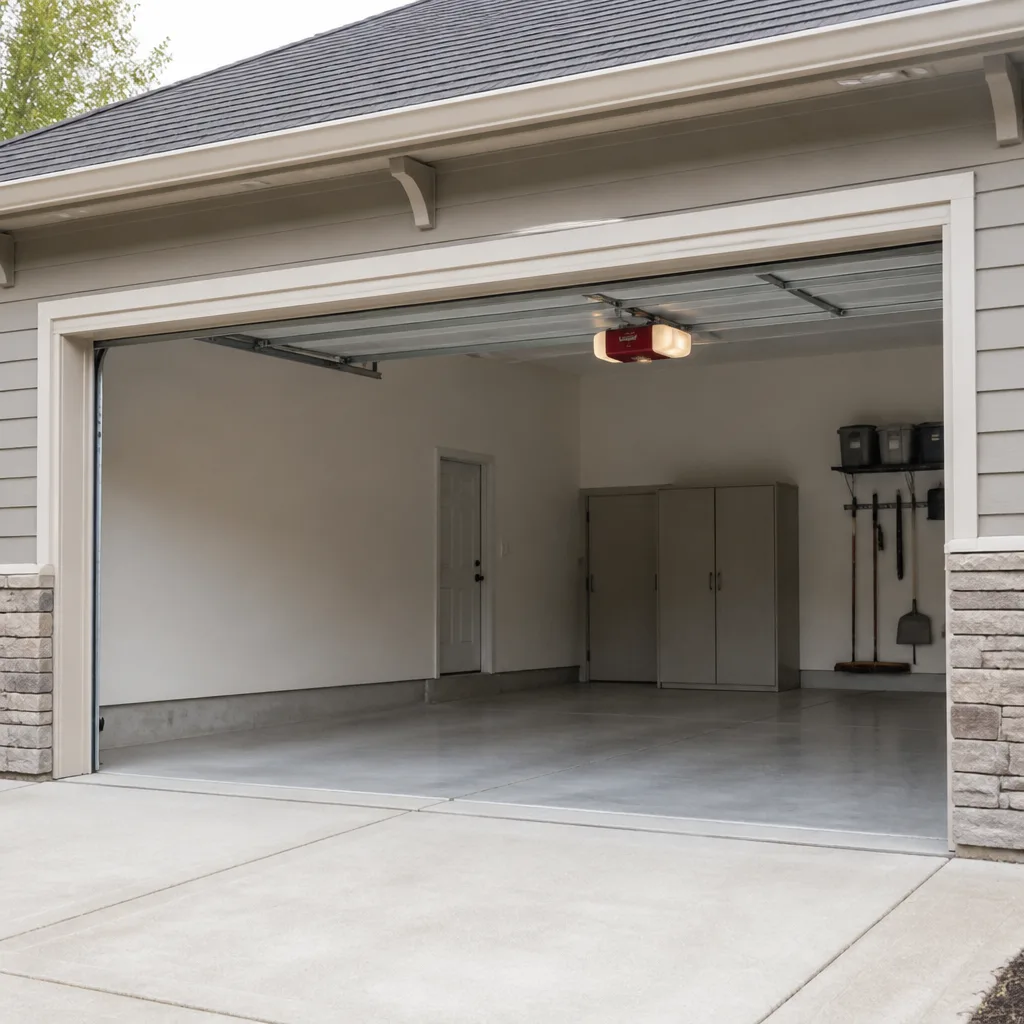 LiftMaster openers
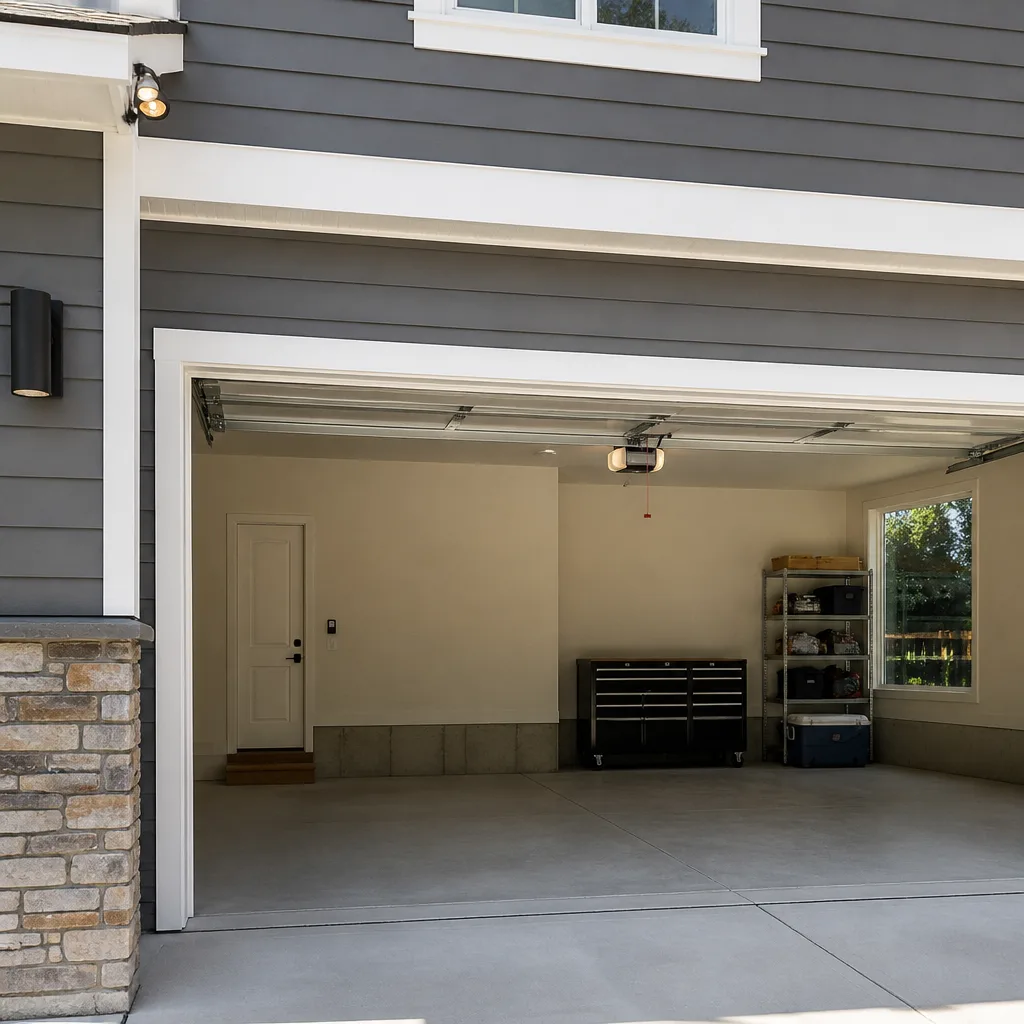 Chamberlain openers
Full 25-point door and opener safety check with every visit - springs, cables, rollers, tracks, and your LiftMaster or Chamberlain opener included
You get a price before we start. It does not change when the pro arrives.
Get your free estimateGarage Door Emergency Preparedness Guide for Greenwich Homes
Most garage door advice assumes your worst day is a broken spring. In Greenwich, the harder problems tend to arrive together: a nor’easter knocks out power, the opener goes dead, and two cars are sealed in the garage on a morning you have to be somewhere. The other scenario gets even less attention. A forced-entry attempt leaves a door that still opens, looks almost fine, and shouldn’t be trusted. Neither situation rewards panic and neither is solved by guesswork. This guide covers both before they happen, with the manual release steps, battery backup facts, storm checklist and decision tree you’ll want already read and understood.
Quick Answer
Prepare for garage door emergencies in Greenwich by learning your opener’s manual release before any outage, adding battery backup to your opener, and knowing what to check after a break-in attempt. Life-safety parts – springs, cables, and the brackets that hold high tension – are never a homeowner job. Call a specialist for those, and call the same day for any door that has been forced open.
Styles & brands we work with
- Raised-panel steel
- Carriage house
- Modern flush
- Full-view glass
- LiftMaster openers
- Chamberlain openers
Table of Contents
- How do you manually release a garage door opener?
- Battery backup for garage door openers
- What to do after a forced-entry attempt
- Pre-storm checklist for Greenwich homes
- Who to call, in what order
- Why springs and cables are never a DIY emergency
- Common mistakes to avoid
- When to call a professional
How Do You Manually Release a Garage Door Opener?
Pull the release handle hanging from the trolley, then lift the door by hand – but only when the door is fully closed and the springs are intact. That’s the short version for the brands we work on every week: LiftMaster, Chamberlain, Genie, Amarr, Wayne Dalton and the rest. The order matters, though, and getting it wrong is where people damage the trolley or hurt themselves.
In our experience, the damage almost always comes from pulling the release while the door is partway up or while the opener is mid-travel. That leaves the trolley and the door carriage out of sync, and the opener can then try to drive a door that isn’t attached to it.
The safe sequence, step by step
- Confirm the door is fully closed and resting on the floor.
- Switch the opener off at the wall control or pull its plug. Don’t leave it live while you work.
- Stand clear of the door and locate the release cord. On most belt and chain openers it’s the short handle hanging from the trolley.
- Pull the handle straight down and let the trolley disengage. You’ll feel it click free.
- Lift the door slowly about a foot, then let go for a moment. A healthy door stays put. If it slams down or flies up, stop and do not use it.
- Open it the rest of the way by hand, slowly, and prop or hold it if you need to.
When the door won’t release, or won’t stay put
Some older screw-drive and jackshaft units release differently, and a few have a lockout on the trolley. If the handle won’t move or the door won’t hold position, that’s a spring or balance problem, not a release problem. Leave the door closed and call for garage door spring repair. A door that won’t hold its own weight is telling you a spring has failed.
Re-engaging after the power comes back
Push the door fully closed, then pull the release cord once more or cycle the opener so the trolley catches the carriage. Run one full open-and-close cycle and watch it. If the door feels heavy, jerks, or the opener strains, stop and have it checked before you rely on it again.
Battery Backup for Garage Door Openers
Battery backup keeps your opener working through an outage, and most modern openers are built to accept it – but not every opener has one installed. If your power dies and your door won’t budge, the first question is whether your opener even has a backup unit. Here’s how to tell and what to know.
Nor’easters knock out power across Greenwich neighborhoods like Old Greenwich, Cos Cob and Riverside, and a dead opener with cars inside is the call we get most after a storm. Battery backup is the single most useful thing you can add before the next one.
What battery backup actually does
- Runs the opener for a limited number of cycles during an outage – enough to get in and out a few times, not to run all week.
- Works on most current belt and chain drive openers from the major brands, though the battery and harness are brand- and model-specific.
- Needs a compatible opener. On some units it’s a built-in option; on others it’s a separate kit that has to be matched to your exact model.
- Requires a proper install: the battery, harness and any required fittings. This isn’t a drop-in accessory for every setup.
How to check whether you have it
- Look at the opener housing for a battery compartment or a small door labeled for backup.
- Check the manual or the model number on the unit. For Amarr, Raynor and most LiftMaster and Chamberlain setups the model tells you what’s supported.
- Test it before storm season: unplug the opener and see whether the door still runs. If it doesn’t, you have no working backup.
If you’re not sure what your opener supports, our garage door opener repair team can identify your model and tell you what’s compatible. One caution: don’t guess at a battery install on a live opener. We handle the spring so you don’t have to, and we’ll handle the wiring too.
What to Do After a Forced-Entry Attempt
Call the police first, then leave the door alone until you’ve photographed the damage, then call a specialist – because a door that has been forced can still open, look almost normal, and be structurally unsafe. The important thing most people get wrong is assuming a door that still moves is a door that’s fine.
In Greenwich, homes in back-lot neighborhoods and quieter streets report break-in attempts on garages, and the aftermath is a security question as much as a repair question. Work through it in order.
Immediate structural checks
- Panels: look for dents, bends and separations at the hinges. A bent panel can bind the door and stop it closing squarely.
- Rollers and tracks: check that the door tracks are straight and the rollers are still seated. A knocked track can derail the door on the next cycle.
- The lift mechanism: a forced door can stress springs, cables and brackets. If the door feels heavy or won’t stay up, do not operate it by hand.
- The opener and trolley: check that the carriage is engaged and the opener still responds. A forced door can leave the trolley out of sync.
The security reset
After an attempt, treat the whole system as compromised: replace or reprogram remotes and keypads, change any codes that were set, and deal with the emergency release. A close the door leaves behind can be used to walk straight in. If the door will close and lock, use it, but a door that won’t hold closed should be secured another way until it’s repaired.
What can wait versus what’s same-day
- Same-day: a door that won’t close or lock, a door that’s out of its tracks, a bent panel that’s binding the door, or any visible damage to springs or cables.
- Can be scheduled: cosmetic dents that don’t affect the door’s travel, a single scuffed panel, or a remote that needs reprogramming when the door is otherwise secure.
For any forced-entry damage in Greenwich, same-day service isn’t a luxury – a door you can’t lock is an open invitation. Call and tell us it’s a security failure; we’ll prioritize it.
Pre-Storm Checklist for Greenwich Homes
Before a hurricane watch or a nor’easter warning, run this list on your garage door – it takes fifteen minutes and covers the two failure points Greenwich homes hit most: power and wind. The preparedness basics below won’t stop the storm, but they’ll keep you from being stuck inside your own garage when it passes.
The pre-storm checklist
- Test the manual release. Pull the handle with the door closed and confirm the door holds its weight. Re-engage it.
- Test battery backup. Unplug the opener and confirm the door still runs. If not, arrange a battery install before the storm.
- Check the balance. Lift the door halfway by hand; if it won’t stay put, the springs need attention before wind and outage.
- Clear the tracks and the floor. Sweep the tracks of grit and clear anything the door might strike in high wind.
- Check the weather seal. A worn bottom seal lets wind-driven rain into the garage. Replace if it’s torn or flat.
- Note your opener model. Write it down so any emergency call gets the right parts fast.
- Keep a flashlight and the release instructions in the garage. Print the manual release steps so they’re readable in the dark.
In Greenwich, storm-driven wind is the main threat to a door that’s already compromised – a weak spring, a loose bracket or a worn seal fails first under load. If your door feels heavy or the opener is straining, don’t wait for the storm to test it. Get it looked at while the weather is calm.
What not to do in wind
Don’t prop the door open during a storm to let wind through; a gust can catch the door and bend panels or throw it off its tracks. Keep it closed and latched. If the power’s already out and you need the car, use the manual release, get in or out quickly, and re-close it.
Who to Call, in What Order: A Decision Tree for the Four Common Emergencies
When a door fails, people call in the wrong order or wait too long – the fastest outcome comes from knowing which emergency you have and who handles it. Here are the four scenarios we see most in Greenwich, and what to do for each.
1. Dead opener in a power outage (cars trapped)
- Use the manual release sequence above. Door closed, opener off, pull the handle, lift by hand.
- Get the cars out if you need them, then re-close the door.
- If battery backup failed or wasn’t installed, call us for an install – this is a scheduling job, not an emergency, once you’re mobile again.
2. Broken spring or snapped cable
- Do not operate the door. Leave it closed.
- Keep the garage clear and don’t try to lift it by hand.
- Call immediately for garage door spring repair. This is a trained-technician job, full stop.
3. Forced entry attempt
- Call the police first and don’t move the door.
- Photograph the damage for your records.
- Check the structural points above; if the door won’t lock or is off its tracks, call for same-day garage door repair.
4. Door off its tracks or stuck halfway
- Stop operating it and keep people clear. A door off its tracks can fall.
- Don’t force it back on.
- Call for same-day emergency service. Tell us whether it’s up, down or hung.
What to tell the dispatcher
- Your door’s position (up, down, or hung) and what it’s doing.
- Any unusual noise – a bang, a snap, a grinding sound.
- Whether the door will close and lock, especially after a break-in attempt.
- Your opener’s brand and model if you can read it.
- What you’ve already tried.
Why Springs and Cables Are Never a DIY Emergency
High-tension springs and cables store enough energy to cause serious injury, and they’re under constant load even when the door isn’t moving. This is the part of the job we will never walk a homeowner through over the phone, and it’s the reason our spring capability signals real depth – not surface-level handy work.
The recommendation is simple: don’t touch springs, cables, or the brackets and drums that hold them. If a spring has clearly let go – you heard it snap, or the door has gone heavy – leave it and call. Your safety comes before the repair.
We do this every week with trained technicians. Our technicians have up to 15 years of experience and are trained on eight of the major brands, so the door you own is a door we know. When you call for garage door spring repair in Greenwich, you’re getting a specialist, not a generalist – and the repair gets done so you don’t have to go near the spring.
What a healthy door should feel like
- It opens and closes smoothly by hand with one hand and stays where you leave it.
- The opener runs without straining, jerking or grinding.
- No sudden bangs, no cable slack, no springs that look bent or separated.
If any of those are off, get it checked before it fails at a bad moment – an outage or a storm night when you can’t get the car out.
Common Mistakes to Avoid
- Pulling the release while the door is partway up. This is the fastest way to damage the trolley and desync your opener. Only release with the door fully closed and the opener off.
- Assuming the power comes back soon. Nor’easters in Greenwich can leave neighborhoods dark for days. Test battery backup before storm season, not during the outage.
- Using a forced door without checking it. A door that still opens after a break-in can be bent, off its tracks or unsafe. Check the panels, rollers, tracks, springs and opener before relying on it.
- Trying to fix a spring, cable or bent track yourself. These are high-tension parts under load. Leave them to trained technicians – this is where real injuries happen.
- Calling a general handyman for a specialist job. You want a team fluent in LiftMaster, Chamberlain, Genie, Clopay, Amarr, Wayne Dalton, Craftsman and Raynor equipment, not someone guessing at your model.
- Ignoring the warning signs before a storm. A heavy door, a straining opener or a torn seal fails first under wind and outage load. Fix it in calm weather, not in a nor’easter.
- Replacing a door when a repair would do. In many cases the same door gets back up and running with the right repair. Replacement isn’t the default answer to a snapped spring or a dead opener.
When to Call a Professional
Call a professional for anything involving springs, cables, tracks, a door off its tracks, a forced-entry attempt, or an opener that’s dead during an outage. These are the same-day calls: a door that won’t lock after an attempt, a snapped spring or cable, a door hung halfway, or a door that won’t close before a storm. Battery backup installs and pre-storm checks can be scheduled. Greenwich Garage Door Repair Pros offers free estimates in Greenwich – call (855) 337-1759. We’re a specialist trade service, not a generalist handyman outfit, and emergency garage door service is a real offering, not a next-week appointment. One provider handles diagnosis, parts and repair, so you’re not handed off to a separate contractor halfway through.
See the difference
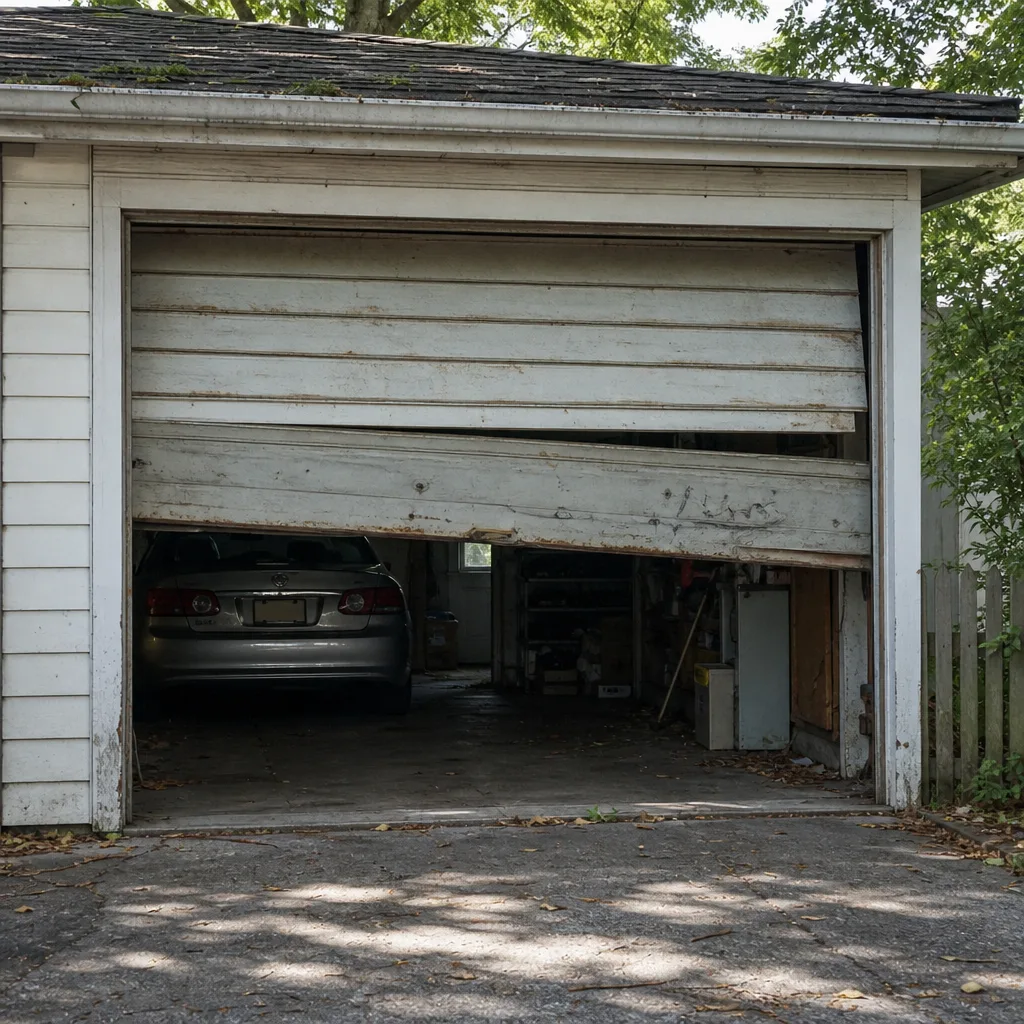 Before
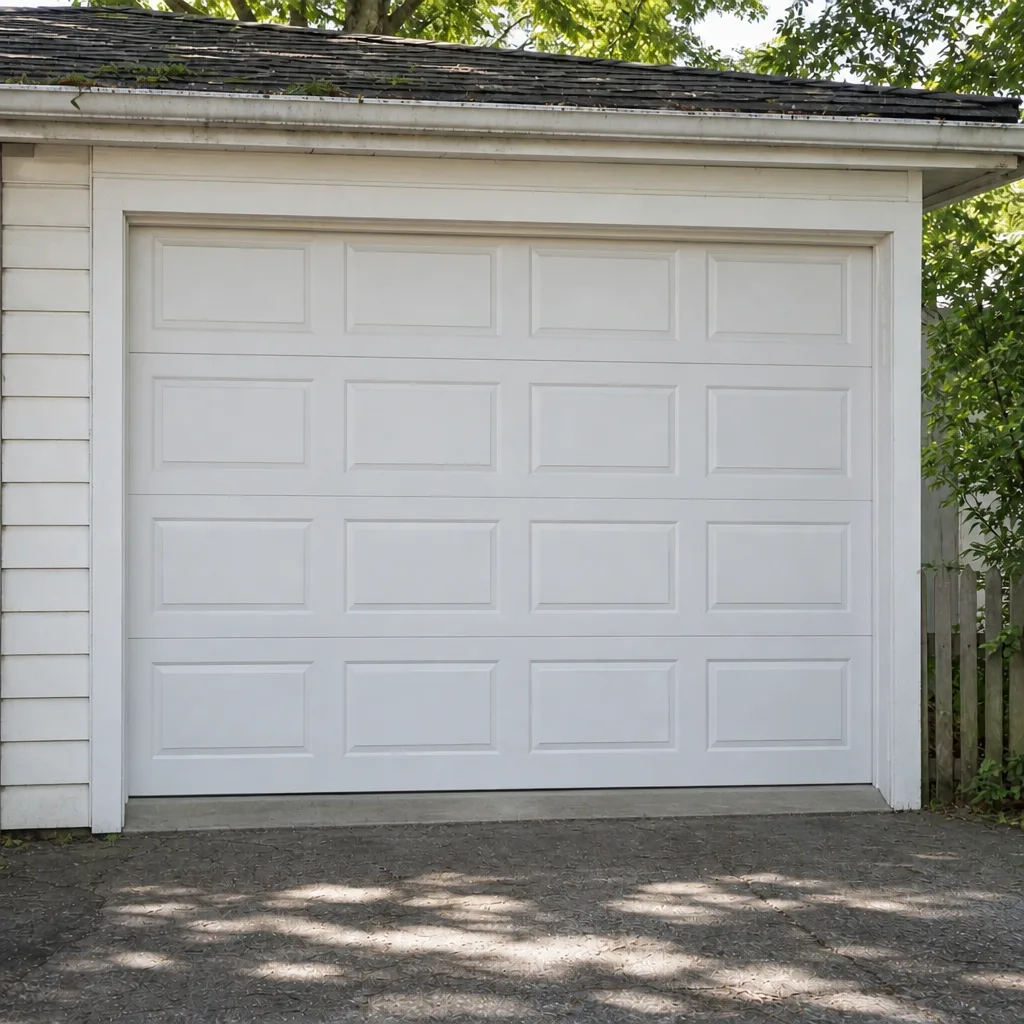 After
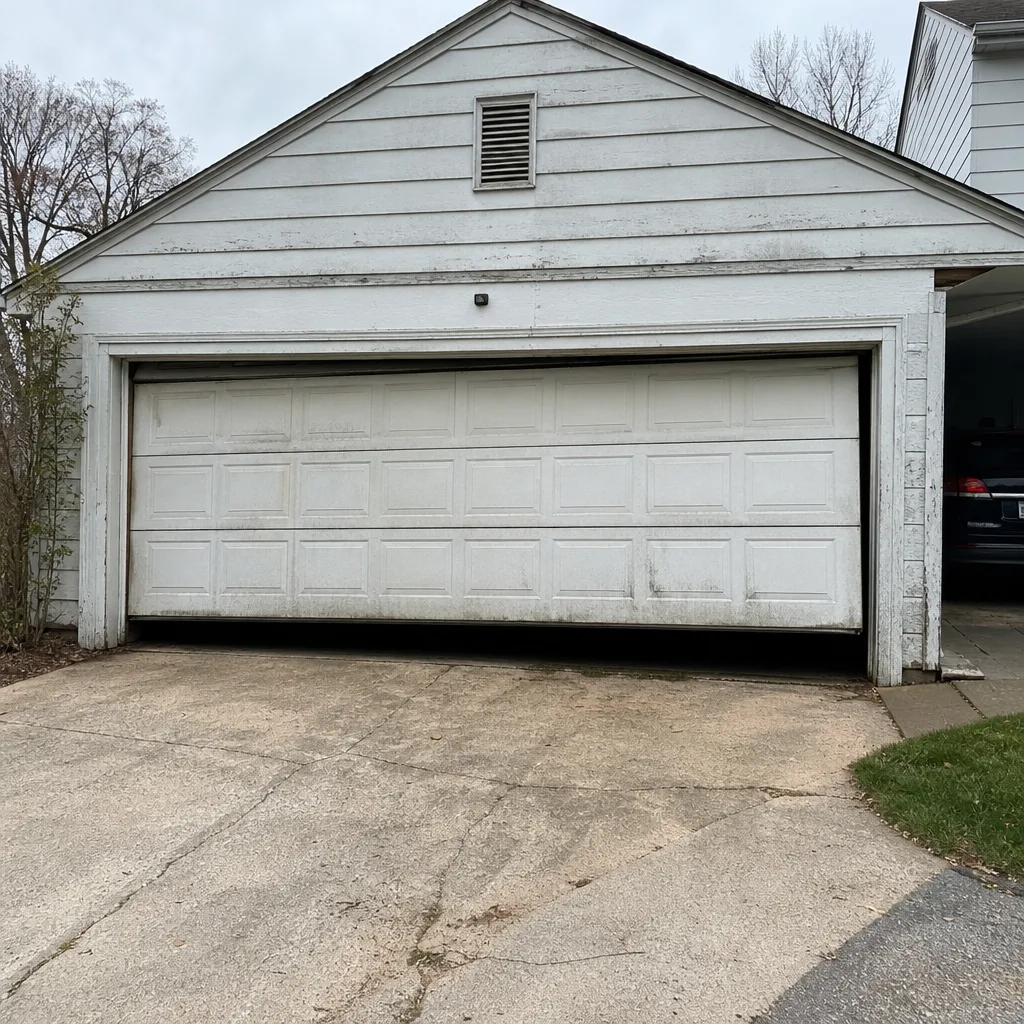 Before
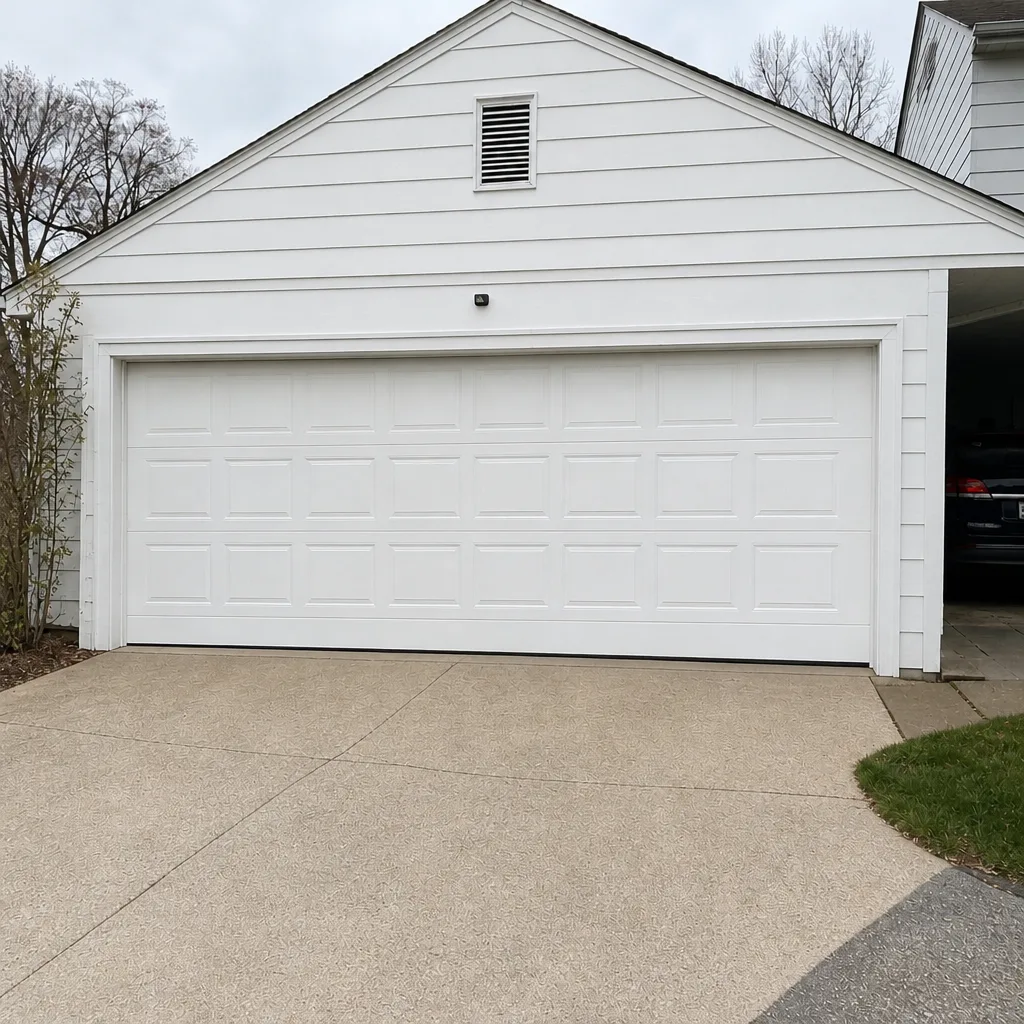 After
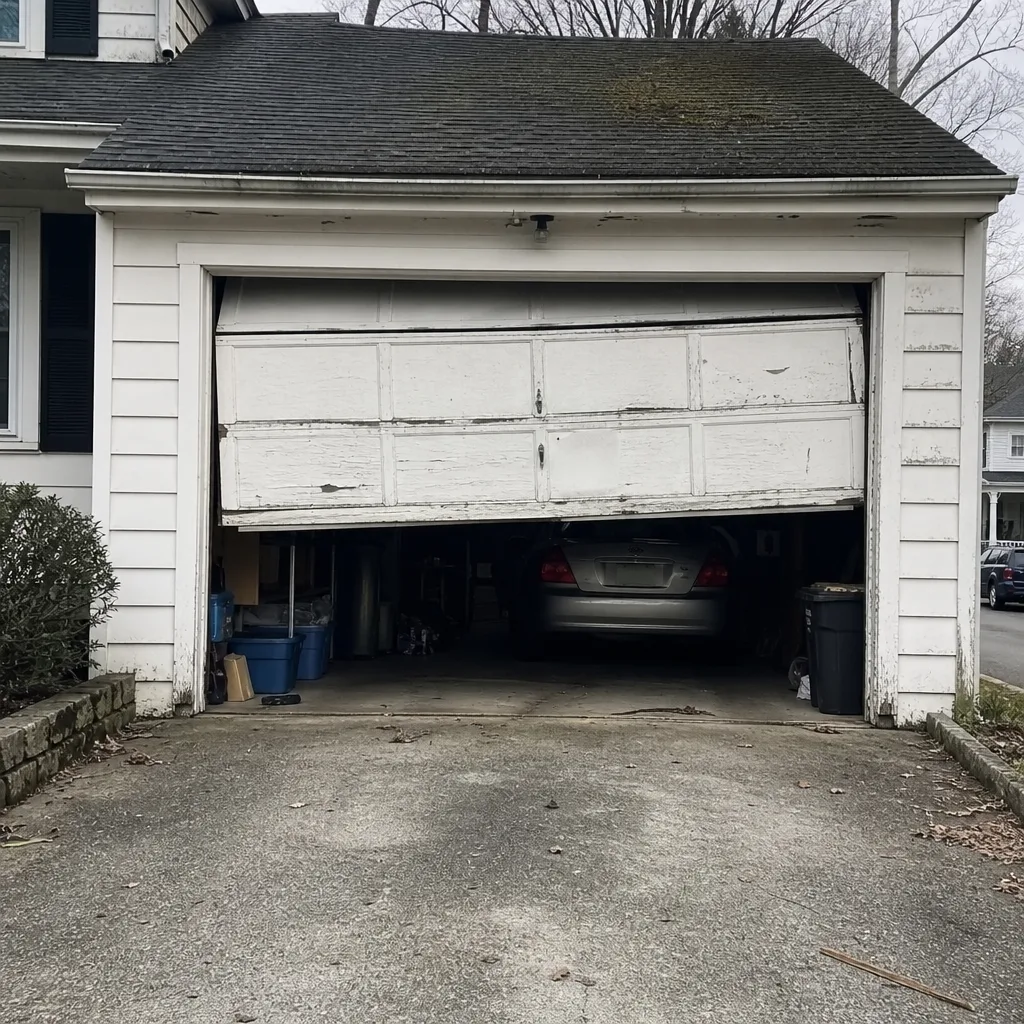 Before
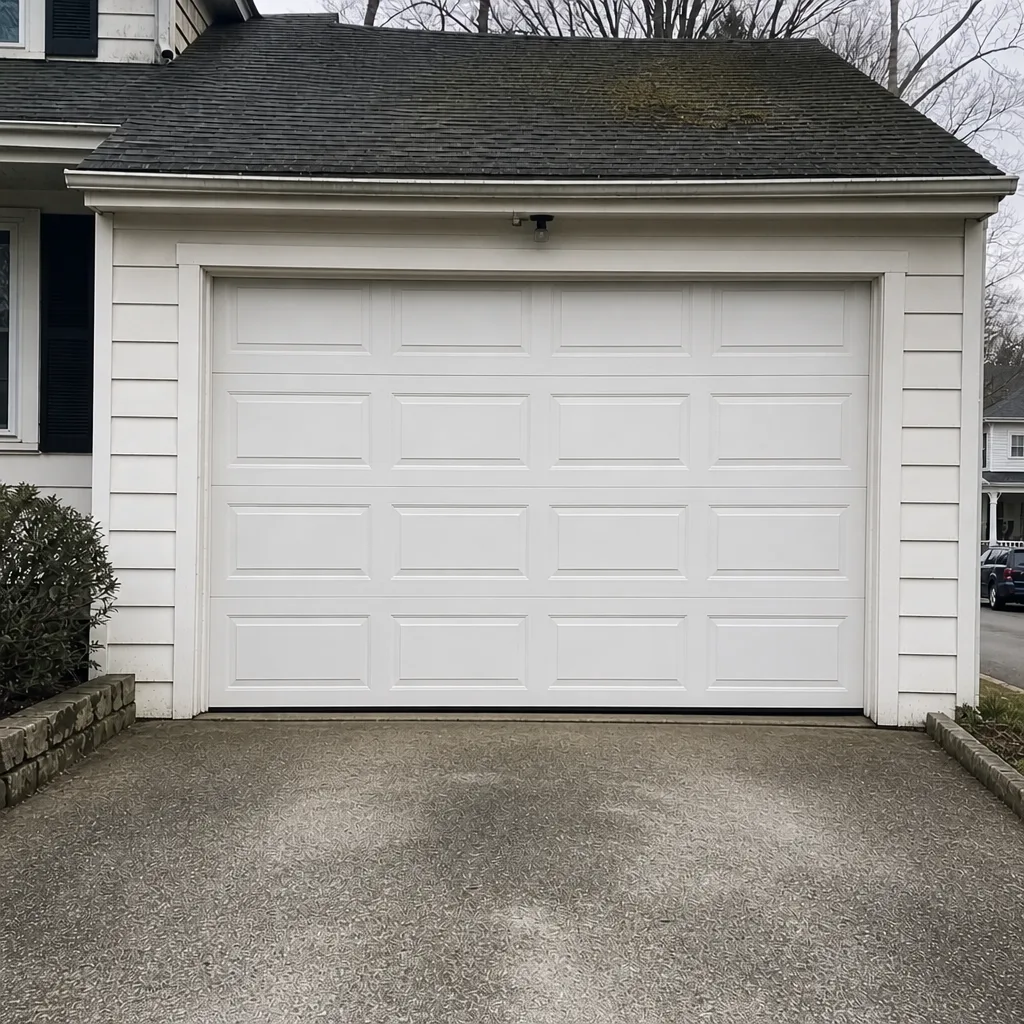 After
Frequently Asked Questions
Use the manual release with the door fully closed and the opener switched off, then lift the door by hand. If the door won’t stay up or feels heavy, stop – that’s a spring, not a power problem. Call (855) 337-1759 and we’ll help you figure out the next step.
Yes – emergency garage door service is a real offering, and same-day service is the point of it. Call and tell us what the door is doing. We respond urgently rather than booking you days out. Call (855) 337-1759 for an exact quote – estimates are free.
Spring pricing depends on the door, the spring and how many springs need replacing, and any final number is set by a written estimate after we see it. Call (855) 337-1759 and we’ll give you a clear figure – estimates are free.
No. The price is quoted and agreed before any work starts, so the written estimate is what you pay. If the job turns out to need something the quote didn’t cover, we’ll tell you before we do it, not after. Call (855) 337-1759 for an exact quote – estimates are free.
Call the police first, photograph the damage and leave the door alone until it’s been checked. A forced door can still open and look fine while being structurally unsafe. If the door won’t lock or is off its tracks, call (855) 337-1759 for same-day service – a door you can’t lock isn’t secure.
The local pros we connect you with are licensed and insured as their state requires, and they’re trained on the major garage door brands. Our technicians have up to 15 years of experience, so you’re getting a specialist, not a generalist. Call (855) 337-1759 to get connected.
The Bottom Line
The two emergencies that catch Greenwich homeowners off guard are the same two you can prepare for now: storm-driven outages that trap cars, and a forced entry that leaves a door looking fine but untrustworthy. Learn your manual release, test battery backup before the storm, know the steps to check after an attempt, and run the pre-storm checklist while the weather’s calm. Springs and cables you leave to a trained specialist – that’s not a limitation, it’s judgment. If it fails, call us for same-day emergency service, we handle the spring so you don’t have to, and get your door back up and running.
Call (855) 337-1759 for a free estimate, and visit Greenwich Garage Door Repair Pros for our full service list.
Written by the team at Greenwich Garage Door Repair Pros.